REVIEW · FOOD
The Nordic Food Walk Stockholm
Book on Viator →Operated by Food Tours EU · Bookable on Viator
Food turns into a guided city lesson.
This Nordic Food Walk Stockholm threads historic food halls and Old Town streets into one tasting route, with stops that mix traditional staples and modern twists. You’ll start in the Östermalm area and end in Gamla Stan, with plenty of guided context on why Swedish food looks and tastes the way it does.
I love the range—from meatballs and cheese to hot chocolate with cardamom, salty licorice, and a proper fika. I also like that guides (I’ve seen names like Cotton, Teresa, Theresa, Sarah, and Caoimhe) focus on both the food and the places, so you’re not just grazing. The main drawback: it’s a lot of walking, and the pace can be brisk (one person even noted a guide walking fast, plus the final cinnamon bun wasn’t a hit for everyone).
In This Review
- Key highlights at a glance
- Östermalm Saluhall: where the food walk starts strong
- Meatballs, potatoes, and the rules behind Swedish comfort food
- Stureplan and K25: the part of Stockholm most people skip
- Chokoladfabriken hot chocolate: 65% cocoa plus cardamom
- Hötorgshallen and P&B Delikatesser: truffles, jam, and licorice reality
- Husmans Deli and Fagel & Vilt: cheese and game meats
- Gamla Stan cobblestones and the fika finale you’ll remember
- Walking time, group size, and why planning matters
- Price and value: why $122.32 can make sense
- Who this fits best (and who should skip it)
- Should you book this Nordic Food Walk Stockholm?
- FAQ
- How long is the Nordic Food Walk Stockholm?
- Where does the tour start and end?
- Is the tour offered in English?
- What’s included in the price?
- Can the tour accommodate vegetarian diets or food allergies?
- Are there morning and afternoon options?
- How big are the groups?
- Do I need to get to the meeting point myself?
- Is the tour very walking-heavy?
- What if I need to cancel?
Key highlights at a glance
- Östermalm Saluhall opening move at Stockholm’s oldest food market, known for its preserved woodwork
- Meatballs, potatoes, and sauces explained in a way that makes you want to cook them later
- Modern snack culture at K25 with local seafood tastings and a white wine pour
- Hot chocolate with cardamom featuring 65% cocoa as the star ingredient
- The salty licorice and game meat stop where you taste courage in snack form
- Fika finale in Gamla Stan with kanelbullar and strong coffee
Östermalm Saluhall: where the food walk starts strong
The tour kicks off around central Östermalm, with the guide meeting you at Beirut Café, Nybrogatan 29 before you head into the food market scene. The early stop is Östermalms Saluhall, described as Stockholm’s oldest food market—an anchor for how locals shop, snack, and socialize.
What makes this opening smart is the setting. You’re not tasting in a generic “tourist” space. The market is built for food: vendors, counters, and that layered feeling of a place that’s been handed down through generations. You’ll also get a look at intricate wooden carvings on the interior walls and eaves, which helps you understand why markets matter in Sweden. Food culture isn’t a side quest here. It’s the main quest.
Even if you’ve visited big European markets before, this one is a good reminder that Stockholm’s flavors come from everyday regulars, not just special occasions. That sets the tone for the rest of the walk: you’ll keep moving through neighborhoods, but the market start makes it all feel grounded.
Other food and fika tours in Stockholm

Meatballs, potatoes, and the rules behind Swedish comfort food
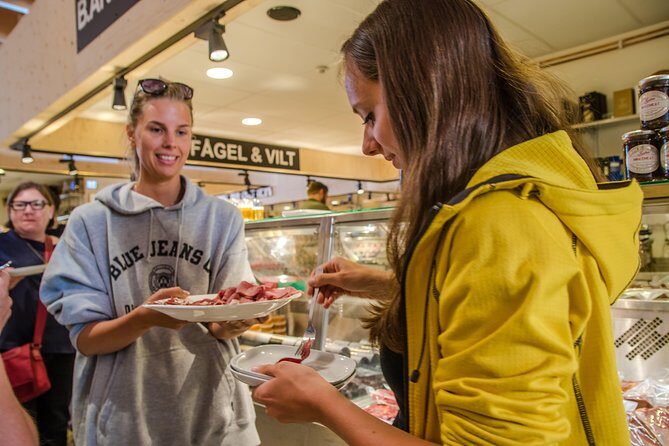
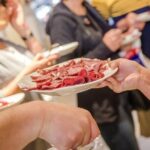
Right away, you’ll get tastings that lean Swedish-typical but not stuck in the past. A highlight is the modern Swedish meatballs, described as slightly changed from the traditional version and often framed as the healthier, still-tasty option.
The practical gift here is the explanation. You’re not just eating a bite. You’re learning the logic around it—like what types of potatoes make sense with meatballs, and why specific jams get paired with the dish. That matters because Swedish meals can look simple on a menu, but the “supporting cast” (sauces, jams, potato choices) is where the taste actually lands.
One more thing: you’ll get into the idea that Swedish food can feel both classic and sensible. The meatball is a perfect example. It’s familiar, but the details make it Swedish.
Stureplan and K25: the part of Stockholm most people skip
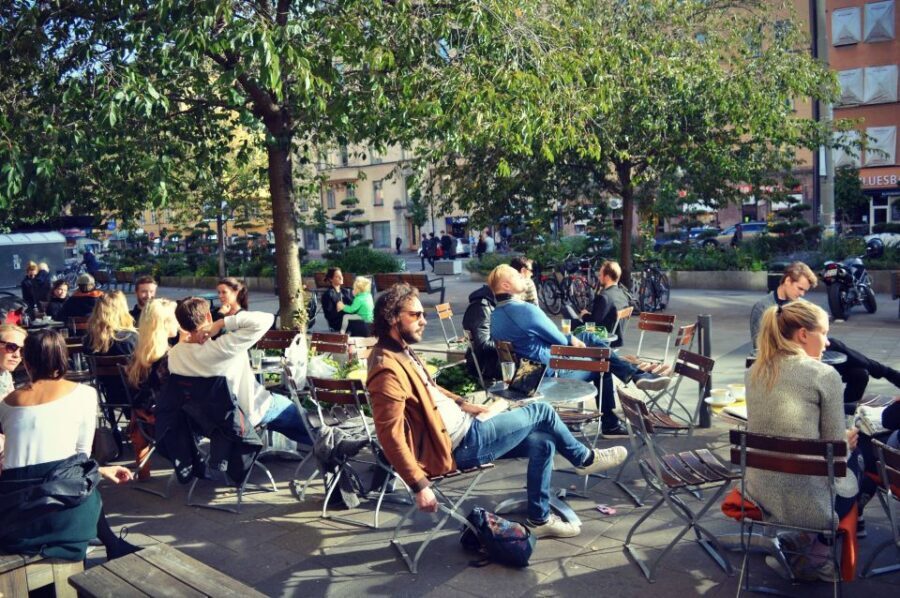
After the first market flavors, the walk moves toward Stureplan and then over to Kungsgatan, where you’ll find K25, an urban food court. This is a key moment for your trip because it shows a side of Stockholm that many first-timers miss—the everyday, student-and-young-professional crowd energy.
At K25, you’ll sample local seafood and enjoy a glass of white wine while you watch people go about their day. That combination—seafood plus wine plus street-level atmosphere—is a real Stockholm vibe. It also helps you understand that Swedish food isn’t always just heavy winter comfort. There’s a social, casual rhythm to it too.
Drawback to keep in mind: this section can feel more “hang out and taste” than “sit down and be pampered.” If you like active sightseeing, it’s a plus. If you want long rests, plan to pace yourself and take advantage of any seating breaks when the group does.
Chokoladfabriken hot chocolate: 65% cocoa plus cardamom
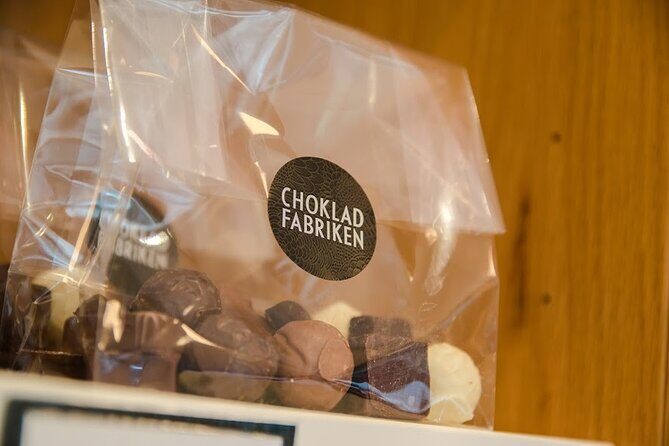
Next comes one of those stops that turns a food tour into a memory. At Chokoladfabriken, you’ll try their hot chocolate made with 65% cocoa and cardamom—so it’s not just sweet. It has depth and spice, the kind of flavor that lingers instead of vanishing after one sip.
This matters because cardamom is one of those ingredients that quietly defines Nordic baking and drinks. If you only ever taste Swedish cinnamon rolls, you miss part of the story. Here, you get a taste of the spice profile that shows up in fika culture and winter comfort drinks.
It’s also a smart reset before the bigger market-and-deli stretch. You’ll be sampling a lot, and hot chocolate helps smooth out the taste transitions—sweet, spicy, then back to savory counters.
Hötorgshallen and P&B Delikatesser: truffles, jam, and licorice reality
Now the tour leans hard into Swedish specialty shopping.
At Hötorgshallen, you’ll pause at market stalls filled with Swedish delicacies and fresh produce. This stop is less about one single iconic bite and more about seeing how stocked and seasonal Swedish food feels. You’ll get to look around and connect the dots between what you’ve tasted and what you’d actually buy if you lived here.
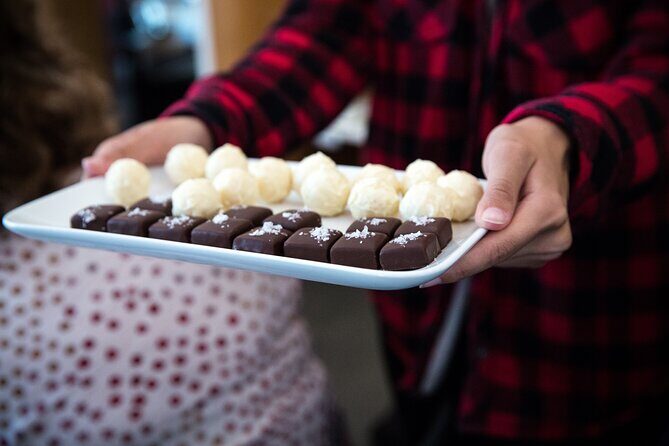
Then comes P&B Delikatesser, where you’ll taste a dizzying lineup of homemade items like truffles, traditional Swedish licorice, and cloudberry jam. The cloudberry detail is a great example of why this kind of guided tasting is worth it: you’re learning what locals mean when they talk about berries, flavor intensity, and the difference between “pretty jam” and something with real character.
Licorice is the other big lesson. It’s not a polite flavor in Sweden—it can be intensely salty. If you’re thinking, I’ll just take a tiny bite, good. That’s the right strategy. Even in a small tasting, it can feel like a whole personality.
Other walking tours we've reviewed in Stockholm

Husmans Deli and Fagel & Vilt: cheese and game meats
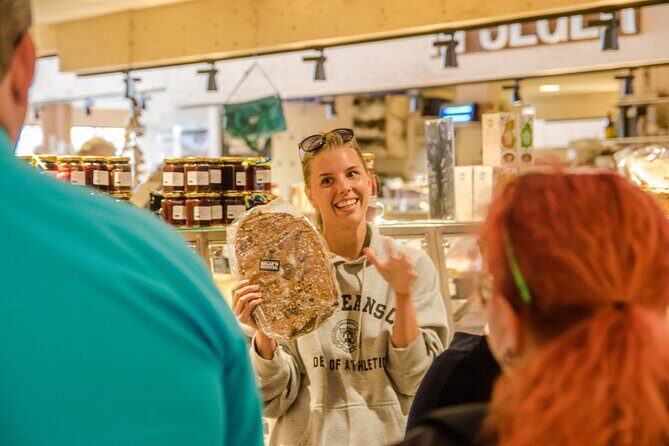
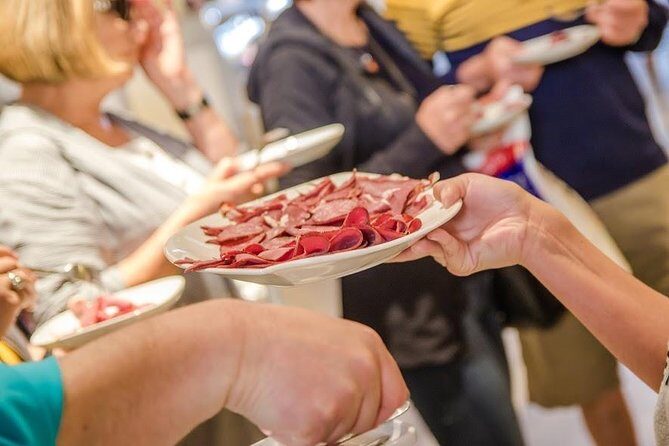
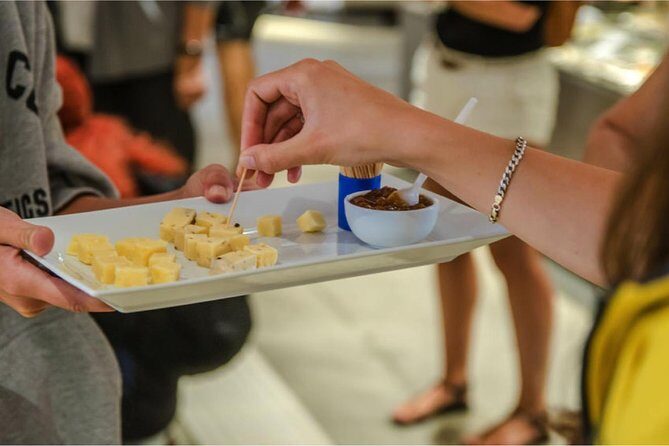
Two more tasting stops keep the variety moving: Husmans Deli for artisan cheese, then Fagel & Vilt for cured meats like smoked reindeer and elk salami.
This is where the tour becomes more than “food tasting.” It becomes a crash course in Swedish ingredients. Cheese tells you about dairy culture, while cured game meats tell you about a colder-country ingredient mindset—preserve it, cure it, and make it delicious enough to become normal.
If you’re squeamish, don’t panic. You’ll get small tastings, not a full-course commitment. But do be prepared: this is the kind of tour where Swedish specialties can include flavors that are new to you in both texture and taste.
After the cured meats, you’ll wash things down with Norrlands Guld beer and then grab fresh fruit from Lisbeth Janson Frukt & Grönt. That sequence works. Salt, fat, and smoke get balanced with acidity and freshness, and you avoid the “everything tastes the same” trap.
Gamla Stan cobblestones and the fika finale you’ll remember
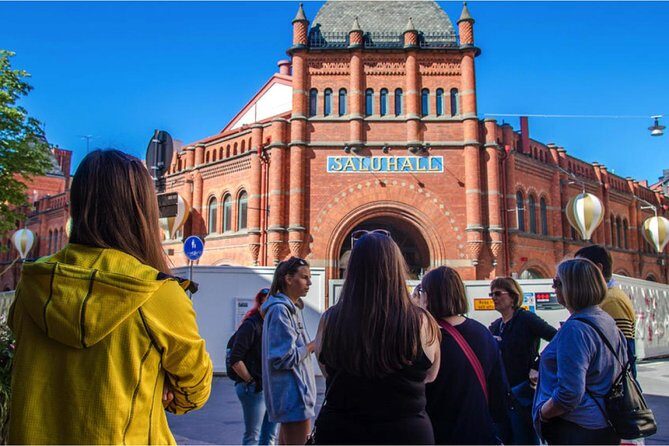
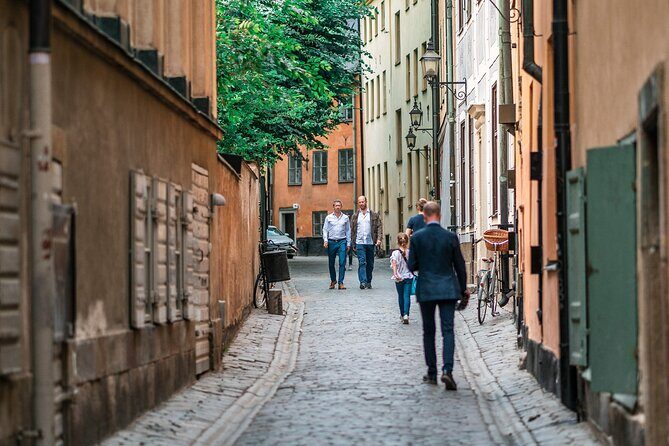
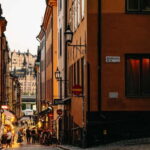
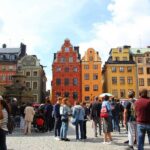
The tour ends with a walk through Gamla Stan, Stockholm’s Old Town, dating back to the 13th century. You’ll stroll medieval alleyways and architecture with a more classic postcard feel than the food halls and modern markets earlier in the day.
You’ll pause for traditional candy and sweets, then finish with the Swedish favorite mid-afternoon or evening break: fika. The fika tasting is centered around kanelbullar (cinnamon bun) and strong coffee.
This ending is a payoff moment. After tasting cheeses, meats, licorice, berries, and hot chocolate, fika ties the whole story together. It’s also genuinely useful: fika is how you’ll probably end up spending your afternoons in Stockholm later. Knowing what to order and what tastes right with coffee helps you navigate the rest of your trip without guessing.
One caution from real-world experience: the cinnamon bun tasting isn’t guaranteed to hit for every palate. If you’re picky about texture and sweetness, take a bite, not a judgement yet—then decide how you want to handle fika afterward.
Walking time, group size, and why planning matters
This is a 4-hour tour on paper, and it’s considered moderate in physical fitness. Wear good walking shoes. The route includes multiple neighborhoods and several market-style indoor/outdoor transitions.
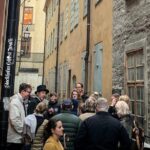
Group size is capped at 20 travelers. In colder months, groups can run smaller, but don’t assume it will always be tiny. A larger group can mean less personal pacing at tastings—more waiting, more “hold up for the whole line.”
Pace is another real consideration. Some guides are quick walkers, and one attendee noted the tour ran long compared to the expected time. To handle that, I suggest you plan this as an afternoon anchor, not a slot you must perfectly match with dinner reservations.
And if you’re heat-sensitive or cold-sensitive: Stockholm weather can swing the whole experience. Dress for the outdoors so you can enjoy the walking instead of white-knuckling through it.
Price and value: why $122.32 can make sense
At $122.32 per person for about 4 hours, the price looks steep until you break down what’s actually included. You get a professional guide plus multiple tastings and free samples, plus water and a glass of wine—and the route includes additional drinks like beer in the tasting flow.
What you’re paying for isn’t just food. It’s someone who knows where to go, what to taste, and how to connect it to Stockholm life—market culture, pairing logic (like jams with meatballs), and ingredients like cardamom that show up in Swedish comfort traditions.
Is it a good value? If you like discovering food places you wouldn’t find on your own and you’re happy to taste your way through several neighborhoods, yes. If you only want one or two iconic samples and prefer flexible pacing, a self-guided food plan might feel better.
Who this fits best (and who should skip it)
This walk is best for foodies, first-time visitors who want real context, and people who like moving around neighborhoods instead of staying in one area. It’s also a strong choice if you enjoy history-by-way-of-food: the guide’s talk tracks how Swedish flavors and shopping habits evolved, not just what you’re eating.
If you’re a serious introvert who hates crowds, the cap at 20 can still feel like a social group. In that case, go in with the right expectations: you’ll be talking and stopping often as a team.
If you have dietary needs, you should know the rules up front. You can let them know during booking if you’re vegetarian or have food allergies, but once the tour begins, they can’t change the tastings. That means you should be clear and early when you book, and you should avoid last-minute hope-based substitutions.
Should you book this Nordic Food Walk Stockholm?
Yes, if you want a guided sampler that covers both classic and modern Swedish food, with a fika ending that actually teaches you what to order later. The route makes sense: market first, then seafood and wine, then sweets and deli counters, then Old Town and coffee.
Skip it if you dislike walking, hate strong flavors like licorice, or need a schedule you can perfectly control to the minute. For everyone else, it’s a solid way to taste Stockholm in one afternoon and leave with ideas you can use right away.
FAQ
How long is the Nordic Food Walk Stockholm?
It runs about 4 hours.
Where does the tour start and end?
The tour starts at Beirut Café, Nybrogatan 29, Stockholm, and ends at Kindstugatan 1, Stockholm.
Is the tour offered in English?
Yes. The tour is offered in English.
What’s included in the price?
Included are a professional guide, food tastings and free samples, a glass of water, and a glass of wine.
Can the tour accommodate vegetarian diets or food allergies?
You should let the provider know during booking if you are vegetarian or have food allergies. Once the tour has begun, tastings can’t be changed.
Are there morning and afternoon options?
Yes. You can choose from morning or afternoon tours to fit your schedule.
How big are the groups?
The tour has a maximum of 20 travelers.
Do I need to get to the meeting point myself?
Yes. There is no hotel pickup or drop-off included, and the meeting point is near public transportation.
Is the tour very walking-heavy?
It’s designed for people with moderate physical fitness, and it involves a good amount of walking through different neighborhoods.
What if I need to cancel?
You can cancel for a full refund up to 24 hours in advance of the experience start time.