REVIEW · BOAT & SIGHTSEEING CRUISES
Stockholm Archipelago RIB Speed Boat Tour with Swedish Fika
Book on GetYourGuide →Operated by Stockholm Adventures · Bookable on GetYourGuide
RIB speed plus Swedish fika. On this Stockholm Archipelago ride, I love the high-speed run out into the Baltic and the way the captain sets a clear vibe from minute one. I also love that you get waterproof gear and a life vest, so you can focus on the view instead of worrying about getting wet.
The one thing to plan for: it is a bumpy, loud ride, so if you want to catch every word from the guide, you may struggle a bit in the back seats.
Key points that make this tour worth your time
- RIB adrenaline: you hit speeds up to 64 km/h (40 mph)
- City-to-archipelago loop: you pass Nationalmuseum and circle Djurgården sights
- Top landmarks nearby water: Gröna Lund, Vasa Museum, and Prince Eugens Waldemarsudde Museum
- Pastel islands and fishing towns: you’ll see inhabited-looking wooden homes and rocky, tree-covered stretches
- Swedish fika included: soft drink plus a sweet pastry during a break
- Small group feel: up to 12 people, with a live English guide
In This Review
- RIBs off Strandvägen: meeting, gear, and what the first minutes feel like
- Djurgården to Nationalmuseum: the easy start with iconic waterfront sights
- Speed out toward the archipelago: the moment the tour turns fun
- Pastel islands and quiet villages: what you’ll actually see on the water
- Vaxholm Fortress: a slower pause that makes the scenery stick
- The Swedish fika break: how food fits into a high-speed tour
- Listening, sitting, and hearing the guide (the real-world comfort tips)
- Weather rules: what happens if it’s cold or drizzly
- Group size, energy, and who this tour suits best
- Price and value: is $196 worth it?
- Choosing your day: how to make the most of your 2 hours
- Should you book this Stockholm Archipelago RIB tour with Swedish fika?
- FAQ
- How long is the Stockholm Archipelago RIB tour?
- Where does the tour start and end?
- What is included in the price?
- Is there an English-speaking guide?
- How fast does the RIB go?
- Is the tour weather-dependent?
- Are children allowed on the tour?
- Are there weight limits?
- What happens if the minimum number of participants is not reached?
RIBs off Strandvägen: meeting, gear, and what the first minutes feel like
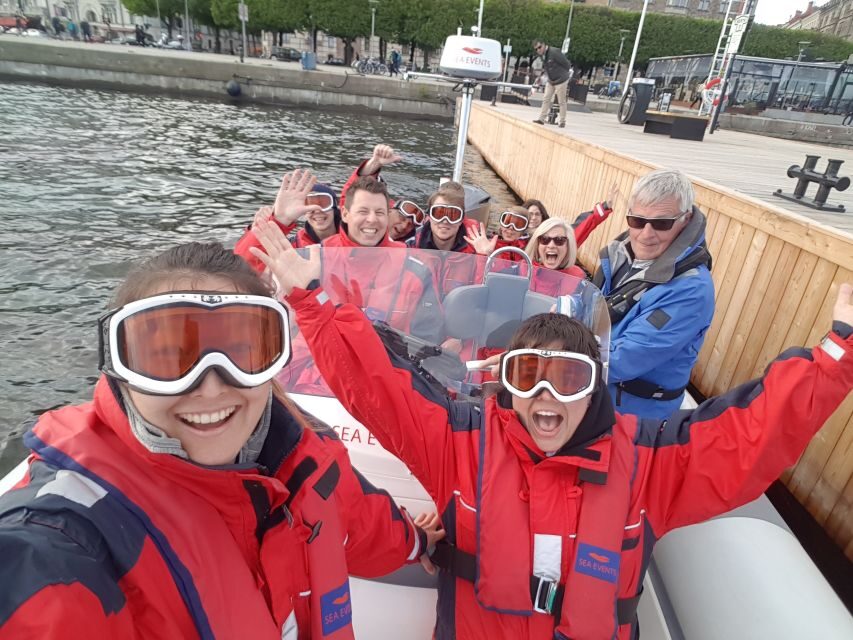
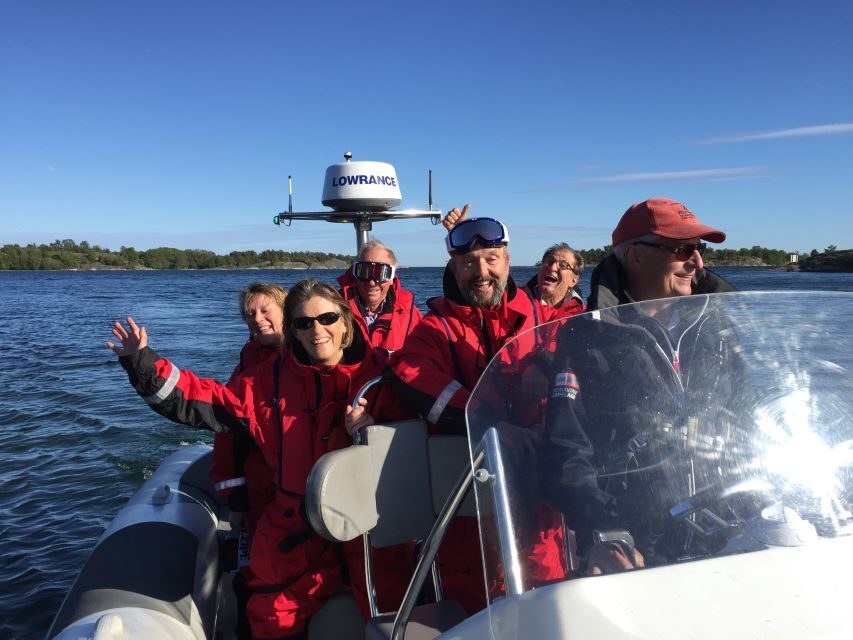
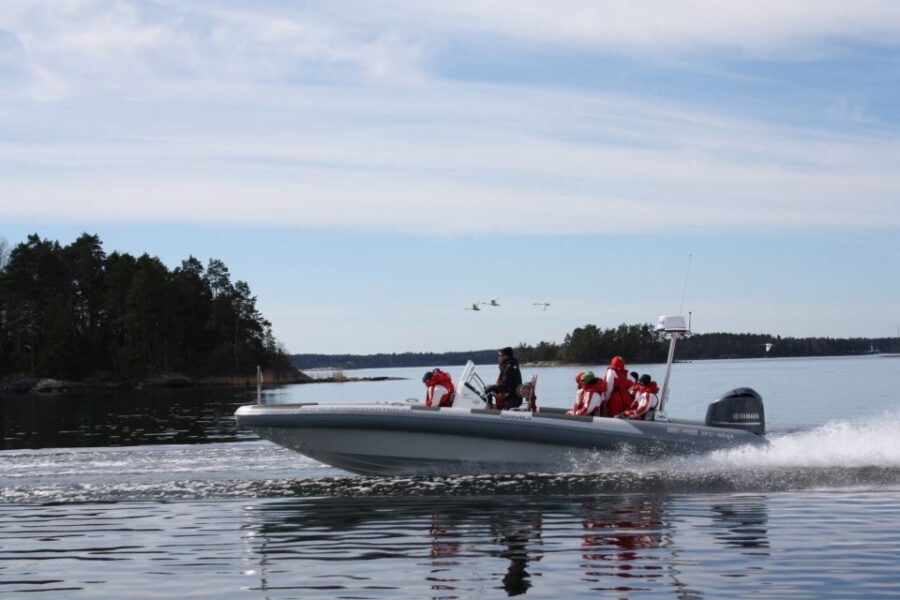
This tour starts at Strandvägen kajplats 17a, right in front of the restaurant. You meet your skipper, get a short briefing, and then you’ll get set up with waterproof gear and a life vest before you ever step on the RIB. That gear matters more than it sounds. The ride is not a calm sightseeing cruise. It’s built for wind, spray, and speed.
Once you board, grab the railing and get ready for movement. The boat ride is described as bumpy, and that checks out with how RIBs work in real life: they skim and bounce over waves. If you’re thinking this will feel like a floating bus tour, reset your expectations. You’re here for momentum and sea air.
You’ll also learn the basic “how to ride this boat” rhythm. The crew tells you what to do and where to sit so everyone stays safe. Even if you’ve never been on a RIB before, you’ll get oriented quickly.
Djurgården to Nationalmuseum: the easy start with iconic waterfront sights
Leaving the city by boat is one of those Stockholm moments that hits fast. You pass Stockholm National Museum (Nationalmuseum) and the scenic urban coast as you push off from the mainland. This is a smart opener because it gives you landmarks early, before the ride gets serious.
Then you’ll loop around Djurgården, where you get boat-level views of several major attractions along the waterline:
- Gröna Lund amusement park
- Vasa Museum
- Prince Eugens Waldemarsudde Museum
From the water, these places look different than from streets or photos. You also get to see how Stockholm’s “city life” and “sea life” sit side by side. That’s the theme of the whole experience, just with better angles.
One small practical note: the ride is moving while you’re looking, so this is not the moment for slow, careful photography. If you want sharper shots, plan to hold your camera/phone firmly and shoot in short bursts when the boat levels out.
Other Stockholm archipelago tours weve reviewed
Speed out toward the archipelago: the moment the tour turns fun
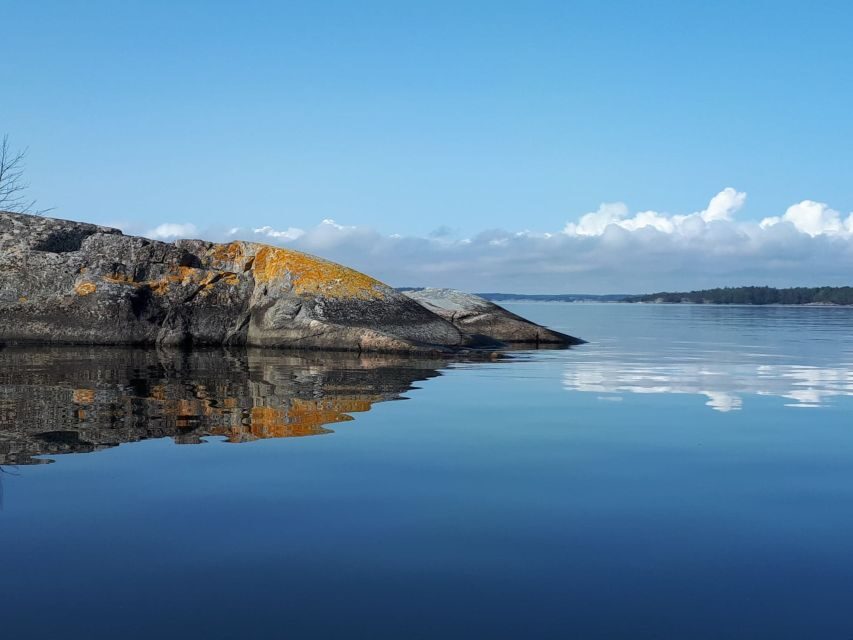
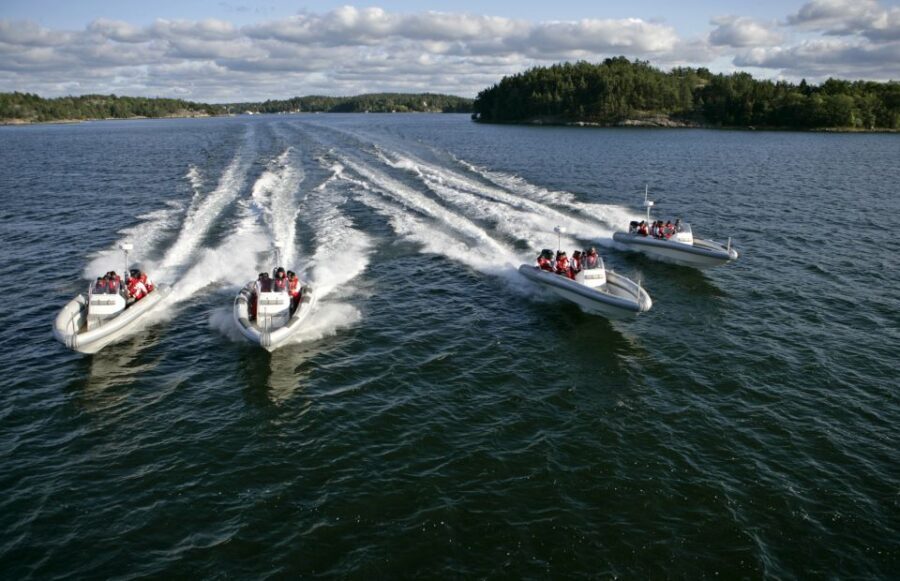
After the Djurgården loop, the boat picks up speed as it races toward the Stockholm Archipelago. You can reach speeds up to 40 mph (64 km/h), and yes, you’ll feel it. The wind hits harder. Your hair (or hat) has opinions. Your face will get that salty Baltic air that makes the whole trip feel real.
This section is the reason people book RIB tours here. You’re not just watching the coast from far away. You’re slicing through it. That gives you a different sense of scale, too. The city may look compact from shore, but once you’re out in open water and surrounded by islands, you understand the geography quickly.
Also, if you’ve ever wondered why Stockholm gets romantic billing, this is when it proves the point. The archipelago isn’t a single view. It’s layers. Tree-covered rock. Water channels. Small settlements that appear for a moment and vanish behind the next turn.
Pastel islands and quiet villages: what you’ll actually see on the water
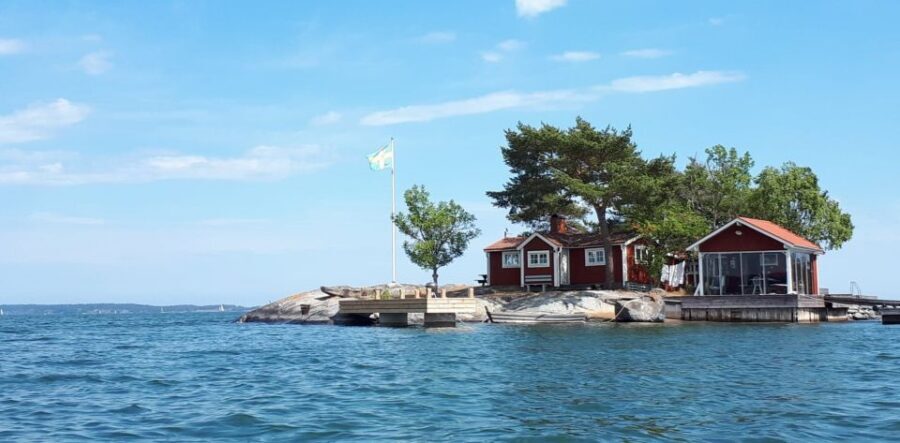
As the tour continues, you’ll reach Fjäderholmarnas, which marks the heart of the archipelago experience on this route. This is where you start seeing the “iconic Stockholm” details that make the islands feel like a place you could live in, not just a postcard.
Here’s the vibe you’re looking for:
- Rocky, tree-covered islands scattered across the Baltic Sea
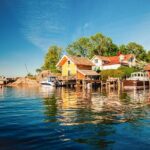
- Pastel-colored wooden dwellings you might recognize as classic Scandinavian coastal architecture
- Small fishing towns that look active even when they seem calm
- Many islands that are uninhabited, which changes how the coast reads
The most useful part of this phase is that you get a fast-moving overview of the archipelago’s mix. Some islands look like homes and work sites. Others look like nature with a shoreline. From the boat, you understand why the archipelago feels both dramatic and practical.
And yes, it’s windy. That’s not a downside here. It’s the point. If you dress for the weather and keep your footing stable, you’ll enjoy that constant motion of sea wind and spray instead of fighting it.
Vaxholm Fortress: a slower pause that makes the scenery stick
At some point, the tour slows down at the island of Vaxholm to let you appreciate the Vaxholm Fortress, built in the 1500s. This is one of the best “take a breath” moments on the itinerary.
Why it matters: speed is thrilling, but it also blurs details. A planned slowdown helps the scene register. You’re not just passing an island; you’re taking in a landmark that signals the strategic importance of these waters.
The fortress setting also helps you read the landscape. You can see the island’s edges, the way water channels shape navigation, and how fortifications make sense when you’re surrounded by islands. It turns the ride into something closer to understanding, not only reacting.
The Swedish fika break: how food fits into a high-speed tour
About halfway through the journey, you get a break with traditional Swedish fika. You’ll be offered a soft drink and a sweet pastry while you take a moment out of the full-speed rhythm.
This is not a random snack. It breaks the sensory overload of wind and motion. You sit, warm up a bit (as much as you can on a boat), and refocus. It also gives you time for the skipper to share more context about what makes the archipelago unique.
This is also where you should treat the guide as your information superpower. When the boat isn’t blasting along at full speed, it’s easier to hear explanations and connect names to the real geography you’re seeing. If you’re usually the kind of person who reads a museum sign and moves on, this is the moment to lean in.
Other boat and sightseeing cruises in Stockholm


Listening, sitting, and hearing the guide (the real-world comfort tips)
One practical detail I’m glad to share: when the boat is moving fast, you might have trouble catching everything if you’re positioned in the back. That’s not because the guide isn’t doing their job. It’s because wind and engine noise are loud out there.
So here’s how I’d plan for this:
- If you want more commentary, try to choose a seat where you can hear comfortably.
- Keep your jacket zipped and hooded if offered. Less fiddling means you stay focused on listening and looking.
- Don’t force perfect audio during the absolute speed bursts. Use calmer sections to catch the story.
Also, keep in mind you’re doing a small-group tour with a live English guide. That’s a big plus for Q&A moments, but the environment still comes first: speed, wind, and sea spray.
Weather rules: what happens if it’s cold or drizzly
This tour runs in all weather conditions unless the guide believes it’s unsafe. That line matters because you’re out on open water. In real terms, you should come prepared for the kind of conditions where waterproof gear makes sense, even if the day looks fine in the morning.
The good news: the tour provides waterproof gear, and everyone gets a life vest. You’re not left to guess. If you’re planning your packing, bring whatever comfort layers you need under the waterproof set, and dress for cold wind as if you’ll be outside the whole time.
If you’re the type who only wants sunny-day views, you may prefer a different style of tour. But if you want the real Baltic feel, this one delivers even when the weather is not Instagram-polished.
Group size, energy, and who this tour suits best
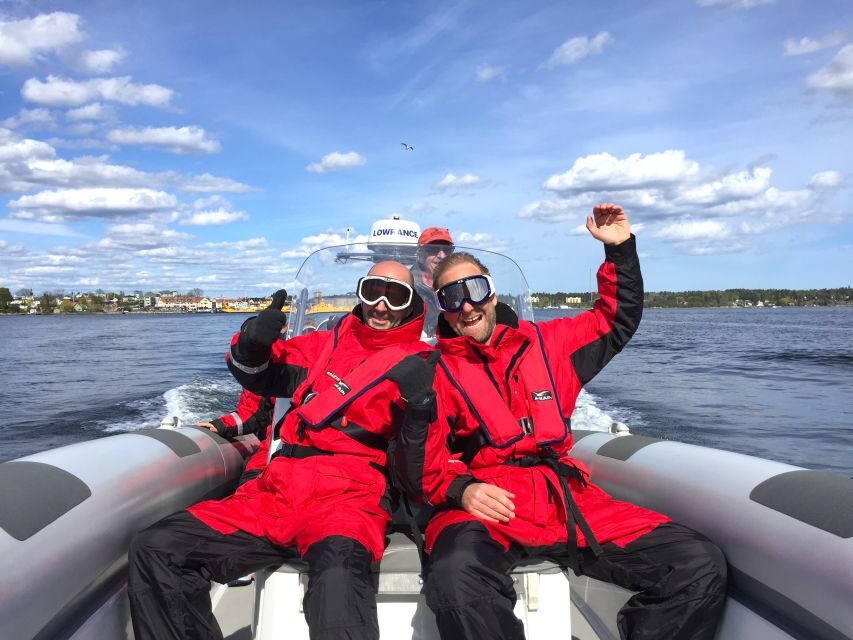
This is a small group tour with no more than 12 people. It only runs if there are at least 2 participants, otherwise you’ll be offered an alternative or a full refund. That small size changes the whole feel. You’re not lost in a crowd, and you’re more likely to get personal attention with gear, briefing, and route updates.
The tour also has clear safety requirements:
- Children must be at least 12 to join
- Minimum height is 1.40 meters
- Maximum weight is 130 kilograms
- Not suitable for children under 10 years (and the height rule is the key safety override)
In terms of personality fit, this is ideal for you if:
- you like speed and want more than a slow photo stop
- you enjoy being active in the wind
- you want city landmarks plus actual archipelago scenery in one run
It might not be your best match if you hate bumpy rides or get motion sick easily. The boat is built for thrills, so comfort expectations should be realistic.
Price and value: is $196 worth it?
At $196 per person for a 2-hour RIB tour, the cost only makes sense if you value three things that are included here: (1) serious boat time, (2) safety gear, and (3) a fika break.
What you’re getting for the money:
- A guided ride through the city-waterfront zone and out into the archipelago
- A fast RIB experience that can reach 64 km/h (40 mph)
- Life vests and waterproof gear (that’s real savings and comfort)
- A fika break with a soft drink and sweet pastry
What you’re not getting:
- No hotel pickup/drop-off
- Food and drinks beyond the fika are not included
So the “value math” looks like this: you’re paying for a premium transportation experience (speed boat) plus included safety comfort, and you get a guided route that hits both city landmarks and archipelago scenery within a short window.
If you only want a gentle cruise, you may find cheaper options. But if you want the Baltic to feel alive, 2 hours is a tight, efficient use of your day, especially if you’re already in Stockholm and want a quick escape.
Choosing your day: how to make the most of your 2 hours
Because it’s an all-weather tour, your main job is to dress smart. Plan for cold wind and spray, even when the sky looks calm. Waterproof gear is provided, but you’ll still feel chilly if you show up in thin layers.
Next, decide what you want most:
- If you want landmark photos, focus on the early city-waterfront portion (Nationalmuseum, Djurgården, and the museums and Gröna Lund).
- If you want the big adrenaline moment, commit to the speed section when the boat heads out toward Fjäderholmarnas.
- If you want a calmer “story moment,” use the fika break and the slowdown at Vaxholm to take it all in.
Finally, remember it’s small-group. If you’re going with friends and can coordinate, arrive on time so you don’t feel rushed when it’s time to get kitted up.
Should you book this Stockholm Archipelago RIB tour with Swedish fika?
I think you should book it if you want a Stockholm day that feels active and outdoorsy, not just sightseeing from the pavement. The mix of city landmarks (Nationalmuseum and Djurgården sights), the real archipelago ride, and the included Swedish fika during a break is a practical combo.
Skip it if you’re seeking a quiet, comfortable cruise, or if bumpy, fast rides aren’t your thing. Also, make sure your group meets the age and size rules so you’re not stuck with an avoidable disappointment.
If you’re in the mood for sea wind, real speed, and a guided route that explains what you’re seeing, this is one of the more fun ways to experience Stockholm County’s waterfront side.
FAQ
How long is the Stockholm Archipelago RIB tour?
The tour duration is 2 hours.
Where does the tour start and end?
You meet at Strandvägen kajplats 17a, in front of the restaurant. The activity ends back at the meeting point.
What is included in the price?
Life vests and waterproof gear are included, and there is a fika break with a soft drink and a sweet pastry.
Is there an English-speaking guide?
Yes, the tour includes a live tour guide in English.
How fast does the RIB go?
The boat can reach speeds of up to 40 miles per hour (64 kilometers per hour).
Is the tour weather-dependent?
It runs in all weather conditions unless the guide believes it is unsafe.
Are children allowed on the tour?
Children must be at least 12 years old to join. There is also a minimum height requirement of 1.40 meters.
Are there weight limits?
Yes. Participants must weigh no more than 130 kilograms.
What happens if the minimum number of participants is not reached?
The tour only runs if there are at least 2 participants. If it does not occur, you will be offered an alternative or a full refund.