REVIEW · 2-HOUR EXPERIENCES
Private blood, ghosts and folklore Old Town 2h Stockholm tour
Book on Viator →Operated by Sweden History Tours · Bookable on Viator
Spooky stories, told at street corners. This private Stockholm Old Town tour turns famous landmarks into a trail of deaths, curses, and “don’t stand there” superstitions, with a guide pacing you for a comfy 90 minutes.
I like the way you get storytelling mapped to real places, so the names mean something fast. I also like that you can ask questions as you go, instead of just nodding along to plaques.
One consideration: the pace is quick at each stop, so if you expect nonstop, gruesome horror scenes, you might want to mentally switch the goal from gore to folklore logic.
In This Review
- Key things I’d note before you go
- What this Stockholm ghost tour is really about
- Meeting point and route feel: easy to start, simple to finish
- Stortorget: executions, body parts, and curse-making lore
- Prästgatan: the street once called Hell
- Old Town street-side magic: iron, vaesen, elves, Tomte
- Logårdstrappan: Näcken and the water vaesen that lure people in
- Kungsträdgården: huldran, Myrling, and blood-related undead fear
- Outside S:t Jacobs Kyrka: church doors, baptism exorcism, and enemies
- Price and value: is $188.16 per person worth your time?
- Who this tour suits best (and who might want another style)
- My quick checklist before you book
- Should you book Private blood, ghosts and folklore Old Town 2h Stockholm tour?
- FAQ
- How long is the Private blood, ghosts and folklore Old Town tour?
- Is this tour private?
- What is the meeting point for the tour?
- Where does the tour end?
- What’s included in the price?
- Is admission required at the stops?
- Is free cancellation available?
Key things I’d note before you go
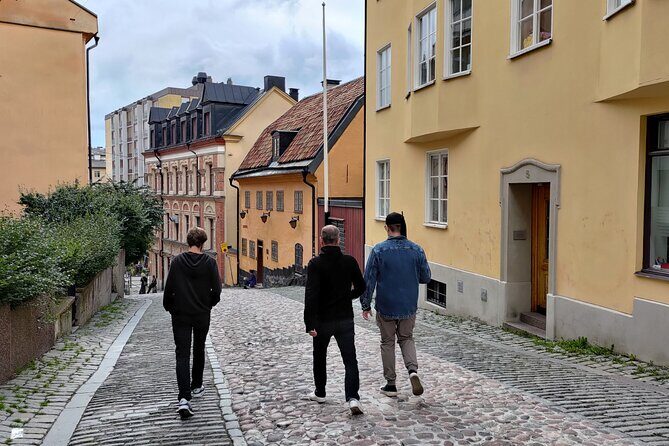
- Private pacing with Q&A so you can steer the spooky conversation
- Stortorget’s death-and-curses talk tied to a very specific historical moment
- Protection charms you can visualize: iron, door safety, baptism worries
- Water-spirits stop-by-stop with names like Näcken and bäckahästen
- Forest and undead folklore around Kungsträdgården, not just “ghosts in windows”
- A tight Old Town route that keeps you moving without getting lost
What this Stockholm ghost tour is really about
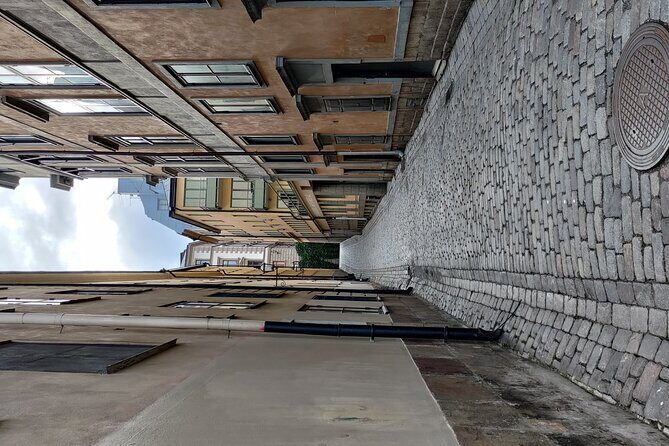
This tour sells ghosts and folklore, but the real pleasure is how the guide links fear to daily life. In Swedish folklore (and across Northern Europe), “hauntings” often come with rules: what to protect, what to avoid, and what people believed might cause harm—especially around death, water, and thresholds like doors and churches.
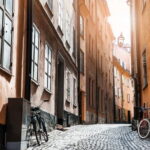
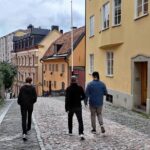
You’ll walk through Old Town streets while the guide explains why people in the past treated certain places as risky. Some stories are outright dark, sure, but the stronger theme is practical superstition: iron for defense, protective rituals, and warnings about spirits (vaesen) that might slip into your world. If you enjoy history-as-storytelling—rather than museum reading—this format works well.
Also, because it is private, you are not stuck with a script you can’t interrupt. If something sparks a question in your head, you can ask and get an answer right where it matters: at the curb, outside the building, at the exact spot the story connects to.
Other Gamla Stan and Old Town tours in Stockholm
Meeting point and route feel: easy to start, simple to finish
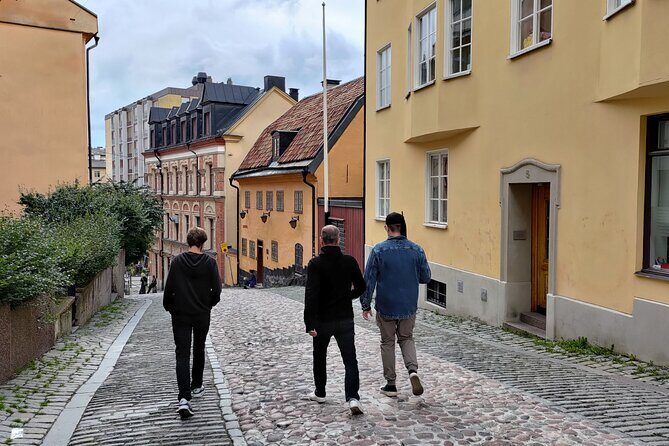
The walk begins at Nobel Prize Museum, Stortorget 2, in the center of Stockholm, and it ends just outside S:t Jacobs Kyrka (Saint Jacob’s Church) on the north side of Old Town, by Västra Trädgårdsgatan 2A, 111 53. The end point is positioned so that getting back near Kungsträdgården is a short walk.
Because you are in the core tourist pocket, you’ll usually find this tour fits easily with other Old Town plans. And since the stops are close together, you won’t burn your whole morning or afternoon on transit.
Timing-wise, plan for about 1 hour 30 minutes on the clock. The tour is short enough that you can keep your energy up, but long enough to cover multiple themes—executions and curses, protective magic, and vaesen tied to water and forests.
Stortorget: executions, body parts, and curse-making lore
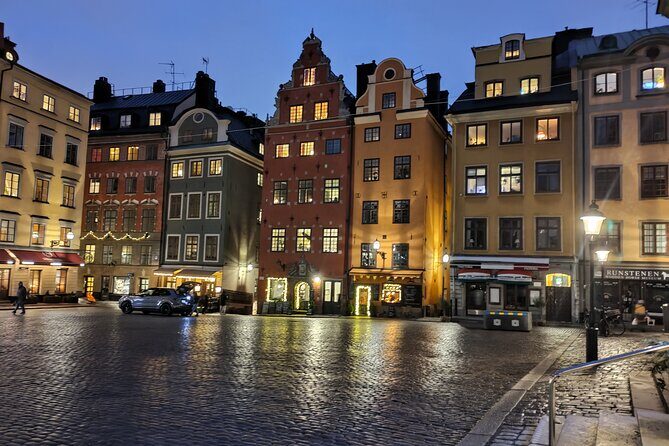
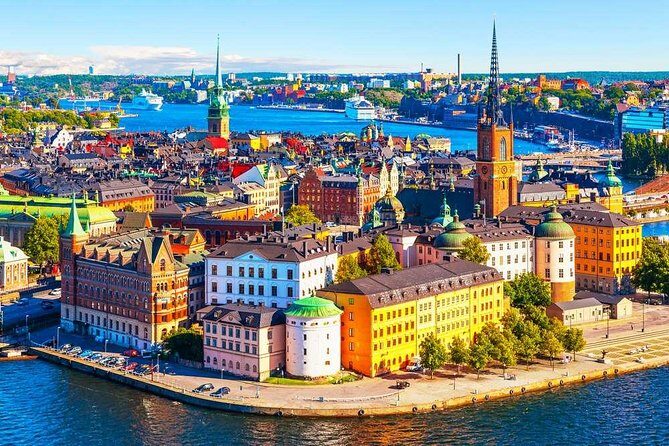
Your first major stop is Stortorget, the square that gives Old Town its classic postcard heart. This is where the guide sets the tone with death and folklore mechanics.
You’ll hear stories tied to executions around the time Danish King Kristian took Stockholm. The focus isn’t just that people died; it’s what people believed death could be used for—especially in the realm of magic and curse lore. The tour discusses beliefs in the blood of the dead used to create curses, and it also talks about how parts connected to gallows and other body-related sources were seen as having power for tales and harmful working.
What I like about choosing Stortorget first is that you’re in a public place where history is layered. A square like this makes the “this happened here” feeling stronger. Even if you treat the folklore as legend, the ideas sound believable in context: people living close to violence, plague, and public punishments often create stories that explain why tragedy happened—and how it might be redirected.
Potential drawback at this stop: the talk is dense. If you’re the type who likes details to land slowly, take a moment and let the guide know you want a bit more context on the folklore side.
Prästgatan: the street once called Hell
Next comes Prästgatan, where the story shifts from execution lore to place-name folklore. Here, you explore the street’s former identity—its connection to a past name of Hell and what that implies about the people linked to the area.
Even if the word Hell sounds dramatic, this stop works because it shows how folklore sticks to geography. Names don’t just label streets; they preserve stories. When the guide connects a street name to what people believed or experienced there, you start seeing Old Town as a map of anxieties, not just buildings.
If you’re walking with kids, this is also a useful stop. It feels less like “here’s a grim scene,” and more like “why would anyone name it that?” That makes it easier to keep the tone curious instead of heavy.
Old Town street-side magic: iron, vaesen, elves, Tomte
In the heart of Old Town, the tour shifts to protection lore—what people believed could keep dangerous beings away.
At the door of a house, the guide talks about protection using iron against vaesen and other harmful creatures, including elves that arrive out of mist. The tour also covers the Swedish Tomte, bringing in a figure from household tradition rather than only “monsters in the woods.”
The centerpiece here is threshold protection. You’ll hear how protection for doors mattered, and how newborns—before baptism—were seen as lacking protection. That belief links religion, fear, and daily safety in a very direct way: in the tour’s telling, the period right around birth is when the world feels most vulnerable to the unseen.
This stop is one of the best reasons to do a guided version instead of just walking alone. You might notice the doorways and street corners on your own, but you’d miss why iron and door rituals were so central to the folklore logic. The guide makes it practical: where you stand in relation to the door becomes part of the story.
Other ghost and dark-folklore tours in Stockholm






Logårdstrappan: Näcken and the water vaesen that lure people in
Logårdstrappan takes the tour into water folklore. This is where the guide starts handing you a cast of creatures, each with their own threat style.
You’ll hear about Näcken, a water-linked spirit, plus the bäckahästen—described as the Swedish version of Kelpie. Then come the Sjörå and skepps-rå (sea-rå and skiprå), all connected to luring people and dragging them into dangerous depths.
If you’ve ever wondered why so many cultures have water monsters, this stop gives you a clear answer: water is both life and risk. In folklore, the same forces that can sustain life can also pull people under. The stories become warnings, dressed up as characters.
What’s valuable for you here is the specificity. You’re not just told that “water spirits exist.” You’re given named examples tied to the idea of drowning and entrapment. It turns a vague fear into an organized set of beliefs.
Kungsträdgården: huldran, Myrling, and blood-related undead fear
At Kungsträdgården, the tour expands the vaesen theme beyond water. Here the guide brings in forest-linked folklore creatures, including the Skogsrået (also known as huldran), plus the undead child Myrling.
This stop is darker in a different way. Instead of drowning warnings, you get fear around predation, death that doesn’t end correctly, and creatures tied to blood and spreading harm. The tour includes the idea of undead living children as a type of threat in the folklore world, and it also connects these beings to the act of sucking blood and causing death.
Why this stop makes sense in the route: Kungsträdgården is a public park space with open sightlines. Telling these stories here gives a contrast—safe-looking greenery with a reminder that the old warnings didn’t match modern calm.
If you prefer a slower pace, you might ask the guide to pause and explain how these beings fit within broader Scandinavian folklore patterns. The tour structure supports questions, so this is a place to do that.
Outside S:t Jacobs Kyrka: church doors, baptism exorcism, and enemies
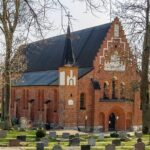
The final storytelling stretch continues at S:t Jacobs Kyrka, focusing on church-adjacent folklore.
You’ll talk about the church door and how the guide frames it as a site with weak points—places where protective rules might be stretched or where danger could be addressed. The tour also covers exorcism tied to baptism, specifically the idea of a child needing protection during baptism rituals and what might be done when someone has a worst enemy to punish.
This is the last stop, so it can feel like a wrap-up of the tour’s main themes:
- death and what it leaves behind
- protection for vulnerable moments
- threats that travel through mist, water, and human thresholds
- fear that gets negotiated with ritual and faith
Even if you treat some details as legend, the logic is clear. People made rules for life’s biggest moments—birth, death, entry into religious rites—and they placed those rules in the most visible symbolic spaces: doors and churches.
Price and value: is $188.16 per person worth your time?
At $188.16 per person for a private tour lasting about 1 hour 30 minutes, the price is not low. You are paying for two things: privacy and a guide who can connect stories to the exact spots you’re standing on.
Here’s how I’d judge value for you:
- If you want a guided walk where you can ask questions and react to what you hear in real time, this format pays off. The tour is built for conversation, not just passive listening.
- If you only want a quick spooky stroll and you’re okay reading a few signs on your own, the cost might feel steep.
A helpful detail: the stops are listed with admission ticket free. That means you’re not usually adding extra entry fees on top of the tour cost, which helps the value equation.
Also, it helps that it’s a private experience with group discounts. If you can book with friends and split the impact of the guide cost across your group, the price becomes easier to swallow.
One more practical point: the tour is commonly booked about 14 days in advance on average. If your dates are firm, don’t wait until the last minute.
Who this tour suits best (and who might want another style)
This is best for you if you:
- like folklore that explains fear through symbols and rules
- enjoy walking tours where the guide points out what matters
- want a guided version of Old Town that focuses less on facts alone and more on how people made meaning from danger
You might consider another option if you:
- want nonstop “scary scenes” for the full 90 minutes
- prefer tours where every minute is packed with historical documentary detail
The tone here is story-and-belief focused. It can feel like a sequence of themed street talks rather than a single long horror movie.
My quick checklist before you book
- Do you enjoy spooky folklore that connects to real doors, streets, squares, and churches?
- Are you okay with short stops where each location gets a specific theme, then you move on?
- Do you want a guide to translate the weird parts into something you can follow?
If you answered yes to these, you’re in the right place.
Should you book Private blood, ghosts and folklore Old Town 2h Stockholm tour?
I’d say book it if you want a guided Old Town walk where the spooky elements come with meaning: iron protection, baptism fears, and named vaesen tied to water and forests. The private format plus the ability to ask questions makes it feel personal, not like a rushed group performance.
I’d hesitate only if your main goal is heavy gore or a long chain of major ghost events with constant shocks. This tour leans more toward folklore rules and place-based superstition, with quick stops that move fast.
If you want your Old Town experience to include the stories behind the scary parts, this is a strong bet.
FAQ
How long is the Private blood, ghosts and folklore Old Town tour?
It runs for about 1 hour 30 minutes.
Is this tour private?
Yes. It is a private tour/activity, and only your group participates.
What is the meeting point for the tour?
The start point is Nobel Prize Museum, Stortorget 2, 103 16 Stockholm, Sweden.
Where does the tour end?
The tour ends just outside of Old Town on the north side besides Kungsträdgården, and specifically near Saint Jacob’s Church at Västra Trädgårdsgatan 2A, 111 53 Stockholm.
What’s included in the price?
A guide is included.
Is admission required at the stops?
The listed stops show admission ticket free.
Is free cancellation available?
Yes. You can cancel up to 24 hours in advance for a full refund.