REVIEW · MUSEUMS
Stockholm: Skansen Open-Air Museum Admission Ticket
Book on GetYourGuide →Operated by Skansen Open-air Museum · Bookable on GetYourGuide
Skansen in Stockholm turns history into a walk you can feel. This is the world’s first open-air museum, with 150+ houses and farmsteads from the 16th century to the early 1900s, plus Nordic animals you can watch up close.
I especially like how the place is set up for wandering: you move at your pace, and the buildings give you an immediate sense of how Swedish life worked beyond the facts in a guidebook. One thing to plan for is the walking: it can be hilly, and some areas or animal enclosures may be closed depending on the day and season.
You’ll also like the mix of everyday routines and seasonal traditions. From rural work and celebrations to craft demos and a changing village atmosphere, it helps you connect the dots between Sweden’s past and the landscape you see now. The trade-off is simple: on colder months or on certain days, not everything runs the same, so you may miss a few demonstrations or exhibits.
In This Review
- Key things to know before you go
- Entering Skansen: where the open-air museum starts on Djurgården
- What you’ll see: 150+ houses that explain Swedish daily life
- The animal side of Skansen: Nordic wild animals plus a kid-friendly pet zone
- Live moments, crafts, and character-led houses
- A practical 1-day route: how I’d pace Skansen without burning out
- Price and value: $27 for admission, plus what can cost extra
- Food, views, and souvenirs: plan your last hour on purpose
- When to go: seasonal decorations, winter closures, and Christmas dates
- Should you book Skansen admission?
- FAQ
- How long is the Skansen admission ticket valid?
- What’s included in the admission?
- Is food included?
- Do I need to arrive at a specific time?
- Where do I go to enter Skansen?
- Is Skansen wheelchair accessible?
- How much does it cost?
- Is Skansen good for children?
- Is there a seasonal Christmas market at Skansen?
- Can I cancel and get a full refund?
Key things to know before you go

- 150+ historic houses and farmsteads moved from across Sweden, showing life from the 1500s through the first half of the 1900s
- 75 animal species including Nordic wild animals like lynx, elk, and brown bears
- A family-friendly animal area with domestic animals such as cats, rabbits, and guinea pigs
- Seasonal themes (when in season, like a historic Christmas market dating back to 1903)
- On-site staff in period roles and hands-on moments, including craft activities led by guides such as Simas
Entering Skansen: where the open-air museum starts on Djurgården
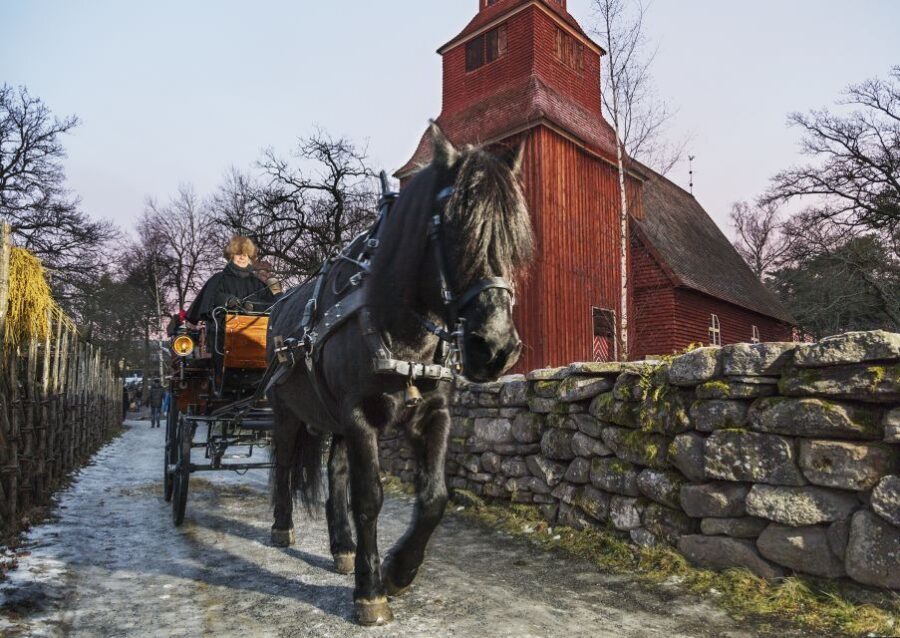
Skansen’s main entrance is at Djurgårdsslätten 49-51, 115 21 Stockholm. That matters because the museum spreads out, and getting oriented early saves time, especially if you’re trying to fit everything into one day.
When you book your admission, the timeslot is just a reference. You can show up any time during opening hours after the first activation date, which is handy in a city where ferry rides, museums, and weather can shift your schedule.
The museum is listed as wheelchair accessible, but I’d still treat it like an outdoor park with real terrain. One review note that it’s more hilly than expected, so if mobility is limited, plan a route and be ready for slopes.
Other Skansen and Djurgarden tours in Stockholm


What you’ll see: 150+ houses that explain Swedish daily life

Skansen’s core idea is beautifully direct: it’s a living display of pre-industrial Sweden. You walk through historically important homes and farmsteads gathered from around the country, so you’re not just reading about the past—you’re moving between the places.
Expect buildings that reflect different social conditions and time periods. The museum focuses on everyday life between the 16th century and the first half of the 20th century, including how people lived through changing seasons, traditions, and work.
A practical tip here: don’t try to rush house-to-house like you’re ticking boxes. Instead, pick a couple of themes for the day. For example, you can focus on rural work and seasonal routines one stretch, then switch to village life and crafts later.
The animal side of Skansen: Nordic wild animals plus a kid-friendly pet zone

Skansen isn’t just history. It’s also a zoo built around the idea of Swedish fauna and rural coexistence.
You can look for Nordic wild animals such as moose, lynx, elk, and brown bears. Reviews also mention favorites like wolverines, and even peacocks in the outdoor experience. If you’re animal-first, build your day around the enclosures, not the buildings.
There’s also a domestic animal area for younger visitors, with animals like cats, rabbits, and guinea pigs. That combo is why Skansen works well for families: adults get the museum concept, while kids get animals they can actually spot and study.
One caution: animal availability can vary. In the supplied info, there are mentions of enclosures not being open at the time of visit (including reindeer and wolves). On the day you go, take a quick scan of what’s currently running so you’re not spending your energy on closed areas.
Live moments, crafts, and character-led houses

A big part of the Skansen feel is that some buildings and staff are set up to explain life as it would have been lived. Several reviews mention demonstrations and period-style presentations, not just static exhibits.
You might catch hands-on craft activity like making a bookmark with printing staff, plus demonstrations such as glass blowing and baking. Those moments are short, but they add context to the architecture—suddenly you can picture the job behind the room.
Staff who guide these experiences can also make the museum click. One review explicitly praised a guide named Simas for being knowledgeable and making the experience feel safe. If you see a demonstration happening, it’s worth stopping, even if you planned to keep walking.
A practical 1-day route: how I’d pace Skansen without burning out
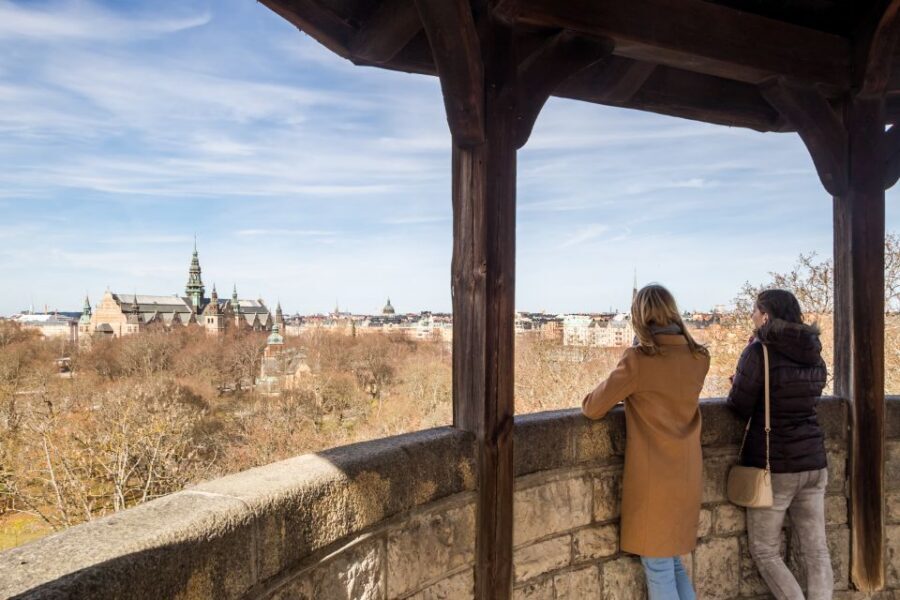
Skansen doesn’t have a single official “tour route” you must follow. Since it’s an outdoor museum you explore yourself, your best plan is pacing.
Here’s a practical way to structure one day (admission is valid for 1 day):
Morning: focus on buildings first, then animals after
Start with the open-air villages while your energy is high. This is the time to see the layout of the farmsteads and understand how they relate to the seasons and work described across the site.
Then shift to animals once you’ve gotten your bearings. Reviews point out that giving animals time helps—people often find moose, bears, and lynx among their top highlights.
Midday: craft demos, food plans, and a breather
Look for any craft or working-demo schedule you can find on-site and join in if it’s running. Then stop for lunch at one of the restaurants, since food and drinks aren’t included with admission.
Afternoon: do the second half of the museum at a slower pace
If you still have energy, return to buildings you skipped earlier and connect what you saw in the morning to what’s happening in the animal enclosures.
Seasonal twist: add the Christmas market if it’s running
If your timing lines up with the holiday theme, plan extra time. The historic Christmas market is open Friday to Sunday, from 26 November until 19 December, and it’s the kind of event that can easily slow your pace in a good way.
A note on timing realism: reviews range from about half a day to an all-day visit. If you want to avoid rushing, give yourself more than a quick stop. For many people, 3 to 6 hours is a comfortable window, depending on how animal-focused you are.
A few more Stockholm tours and experiences worth a look






Price and value: $27 for admission, plus what can cost extra

The admission ticket price is listed at about $27 per person. For that, you’re getting access to the core open-air museum experience.
Value comes from the combination:
- 150+ historic houses and farmsteads
- 75 animal species
- Seasonal decorations and village atmosphere
- The museum shop with traditional handicrafts and Swedish-designed items
Food is not included, and that’s normal for a site this size. If you like to eat well while you’re walking, you may want to budget for lunch and drinks.
Also watch for optional extras. Reviews mention things like an aquarium experience and that it may be treated as extra (some people describe it as worth paying for, while others describe it differently). There are also mentions of a vehicle ride up the first big hill (tram/funicular style) for an additional fee. When you’re on-site, check what’s included in your ticket and what’s pay-as-you-go.
Food, views, and souvenirs: plan your last hour on purpose

Food isn’t included, but Skansen is set up so you don’t feel stuck hunting for a meal. There are restaurants on-site, and the info specifically notes views over Stockholm, which is a big reason to time your lunch toward the middle of the day.
If you’re buying gifts, don’t leave it until you’re tired. The museum shop sells traditional handicrafts and Swedish-designed items, which makes it easier to come home with something that feels connected to what you just saw.
A small practical thought: after hours of outdoor walking, your best souvenir strategy is simple. Buy the easiest items first, then circle back later if you still want more.
When to go: seasonal decorations, winter closures, and Christmas dates

Skansen changes with the seasons. If you’re visiting in winter, you may get a more “atmosphere” feel from snow and cold, but you should also expect that some things can be closed. One review notes that many elements were closed in winter, while still calling the day worthwhile.
If you want a timed event, the standout is the seasonal Christmas setup. The Christmas market runs Friday to Sunday from 26 November to 19 December, and it dates back to 1903. That’s a fun add-on because it adds a lively layer to the quiet walking of a museum.
Also, don’t assume demonstrations run every day. One review noted that character-led people weren’t present on a Sunday. That doesn’t ruin the experience, but it does mean you should treat these moments as a bonus, not the foundation of your plan.
Should you book Skansen admission?
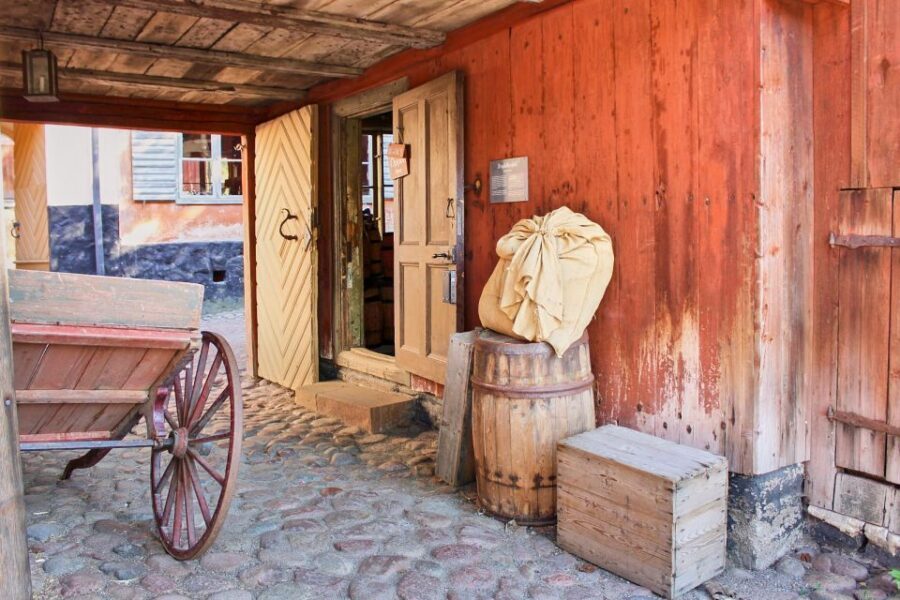
Book Skansen if you want a Stockholm day that mixes history with animals and you’re happy to spend time walking outside. The entry price makes sense when you factor in 150+ buildings, the animal collection, and the fact that the museum runs like a place you can explore at your own rhythm, not a strict guided bus tour.
Skip or rethink if you:
- prefer flat, easy walking (the terrain can be hilly)
- need guaranteed daily access to every enclosure or every demonstration (some areas may be closed depending on the day/season)
- want a tightly scheduled activity with lots of indoor shelter
If you’re traveling with kids, it’s an easy yes. The mix of domestic animals and the larger animal collection pairs well with the museum concept, so the day doesn’t become one long “learning” assignment.
If your goal is a single, high-value “Stockholm experience” that feels real, not staged, Skansen is one of the best uses of a day in the city.
FAQ
How long is the Skansen admission ticket valid?
The ticket is valid for 1 day from the first activation.
What’s included in the admission?
Your admission ticket is included.
Is food included?
No. Food and drinks are not included. You’ll find restaurants on-site, but you’ll pay for meals separately.
Do I need to arrive at a specific time?
The selected timeslot is described as a reference. You can show up any time during opening hours.
Where do I go to enter Skansen?
The meeting point is Djurgårdsslätten 49-51, 115 21 Stockholm, Sweden.
Is Skansen wheelchair accessible?
Yes, it’s listed as wheelchair accessible.
How much does it cost?
The price is listed as $27 per person.
Is Skansen good for children?
Yes. There’s a zoo area with domestic animals such as cats, rabbits, and guinea pigs, and the site is also described as a fun day out that suits families.
Is there a seasonal Christmas market at Skansen?
Yes. The Christmas market runs Friday to Sunday from 26 November until 19 December.
Can I cancel and get a full refund?
Yes. The policy says you can cancel up to 24 hours in advance for a full refund.