REVIEW · 2-HOUR EXPERIENCES
Bloody Stockholm 2h – ghosts, horror and Dark Folklore Tour
Book on Viator →Operated by Sweden History Tours · Bookable on Viator
Streets of Gamla Stan take a darker turn. This tour threads dark folklore and grisly real-life history through Stockholm’s narrow lanes, using key buildings and doorways as plot points, not just scenery. It’s English, guided start to finish, and built like a story map.
What I like most is the way you get both sides of the “bloody” theme: the human history (including executions tied to the Danish King Kristian) and the practical beliefs people held about curses and protection. I also like the tone—more informative stroll than jump-scare ghost walk, with guides who keep the facts sharp and the mood surprisingly fun.
One thing to consider: if you want a pure horror show, this isn’t that. You’ll get a lot of history and folklore “how people thought,” including everyday protective rituals, and the scariest parts may feel more cultural than theatrical.
In This Review
- Key highlights you’ll feel on the walk
- A death-and-folklore walk through Gamla Stan
- Where you start: Nobel Prize Museum to Stortorget’s grim legends
- Prästgatan: the lane that once sounded like Hell
- Old Town houses and iron: why doors mattered so much
- Logårdstrappan and water spirits that want you gone
- Kungsträdgården’s dangerous forest folk and the undead child
- S:t Jacobs Kyrka: church doors, baptism lore, and exorcism beliefs
- Pace, duration, and how the route flows
- English guide, mobile ticket, and the practical stuff you should know
- “Is this a ghost tour?” What kind of horror you’ll actually get
- Value: why this tour feels like more than the label
- Who should book this (and who might want something else)
- Should you book Bloody Stockholm 2h?
- FAQ
- How long is the Bloody Stockholm tour?
- Is the tour offered in English?
- Where does the tour start and end?
- What is included in the ticket?
- How many people are in the group?
- Can I cancel and get a full refund?
Key highlights you’ll feel on the walk
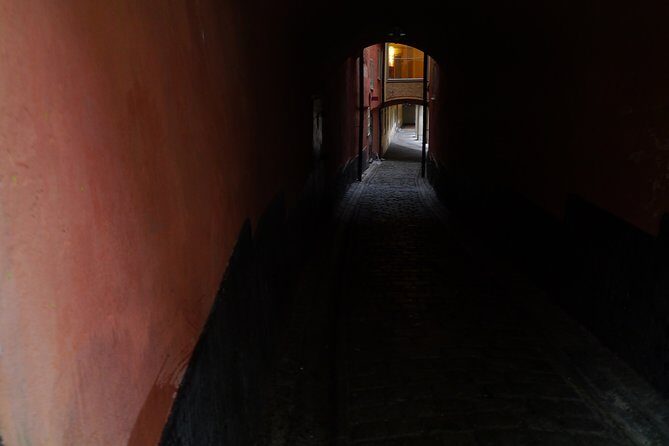
- Stortorget’s execution history linked to Danish King Kristian and grim folklore about the dead
- Prästgatan’s former name tied to the idea of Hell
- Iron, doors, and baptisms as real folklore “protection systems” in Old Town houses
- Logårdstrappan’s water spirits like Näcken and bäckahästen (the Swedish Kelpie)
- Kungsträdgården’s vaesen including Skogsrået/huldran and the undead child Myrling
- S:t Jacobs Kyrka outside with lore about church doors, baptism, and exorcism-style beliefs
A death-and-folklore walk through Gamla Stan
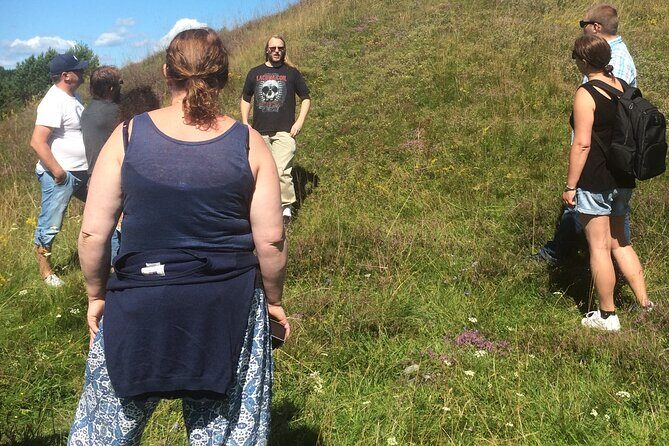
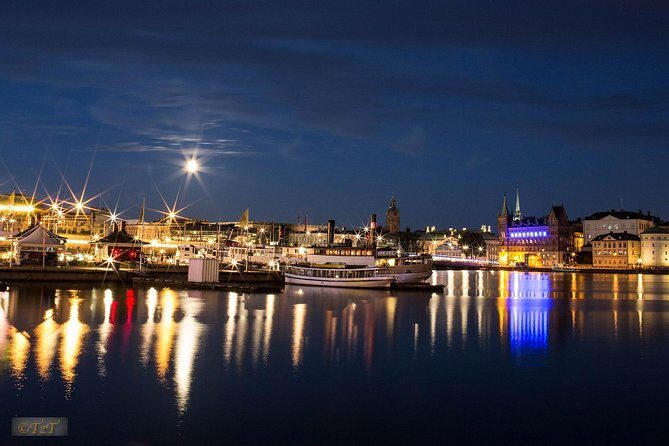
Stockholm’s Old Town can look postcard-perfect. This tour asks you to look again, because the same streets that feel romantic also carried fear, punishment, and practical superstition.
You’re guided through a tight route around Old Town, with the story stepping from place to place. Expect a mix of execution-era details and Swedish “rules” for staying safe from vaesen—spirits and creatures in local folklore.
Other ghost and dark-folklore tours in Stockholm


Where you start: Nobel Prize Museum to Stortorget’s grim legends
The tour begins at the Nobel Prize Museum area by Stortorget. From your first minutes on, it sets expectations: this is history plus dark folklore, with death treated as something people talked about in practical, almost instructional ways.
At Stortorget, you focus on executions linked to the period when the Danish King Kristian took Stockholm. The guide connects those events to folklore ideas about death’s power—especially beliefs that body parts, or things associated with the dead, could be used for curses or spells.
This stop is also a lesson in how gruesome stories travel through time. Even if you don’t take the magic literally, you’ll see how fear, punishment, and superstition can blend into local legends so tightly that the legend becomes a second kind of record.
Prästgatan: the lane that once sounded like Hell
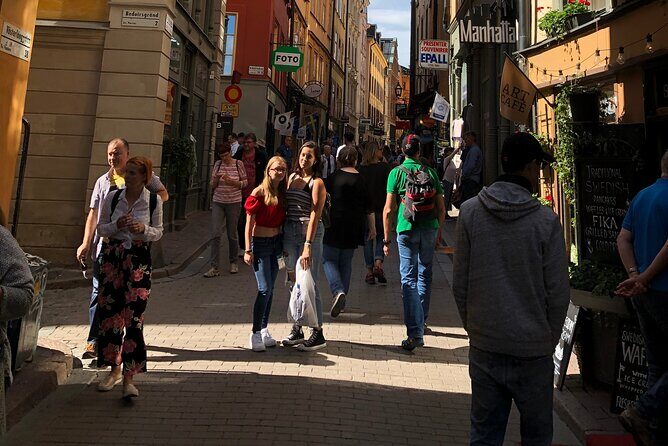
From Stortorget, you walk along Prästgatan. The point here is not ghosts for entertainment—it’s the way a street name can preserve emotion and rumor.
You’ll hear how this stretch was formerly called something close to Hell, tied to where ordinary people in the area lived. It’s a short segment, but it’s effective because it changes how you interpret what you see: buildings stop being just “pretty backdrops.”
If it’s raining, this is also a nice place to keep moving. The tour’s structure gives you quick hits—no long waits, just forward motion and story.
Old Town houses and iron: why doors mattered so much
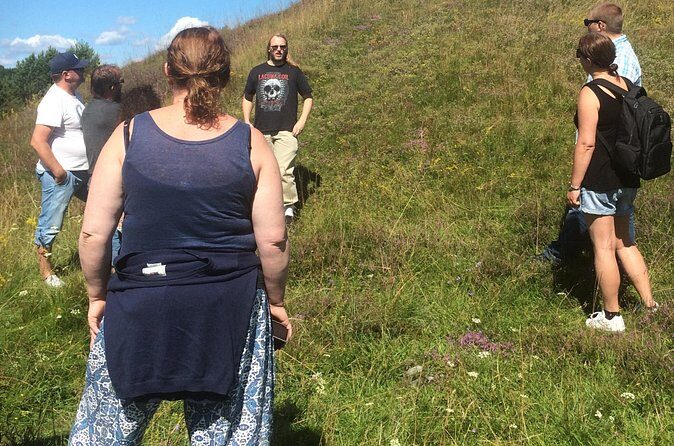
Next you step deeper into Stockholm Old Town and toward the doorways that define the area’s feel. The guide focuses on one idea: in this folklore world, protection wasn’t vague. It had specific objects and specific moments.
You’ll learn about using iron as protection against vaesen, including fears about elves tied to mist and restless souls. You’ll also hear about the Swedish Tomte—an example of how belief systems had both protective and troubling sides.
One of the most memorable parts is the emphasis on the door itself. The tour explains that before baptism, a newborn was believed to lack protection, so people relied on ritual safeguards—and the door became part of that defense against trolls and the Devil.
Practical takeaway for you: even if you’re not “into” folklore, this stop trains your eye. You’ll start noticing doors, thresholds, and the basic layout of old streets like a local would, not like a postcard photographer.
Logårdstrappan and water spirits that want you gone
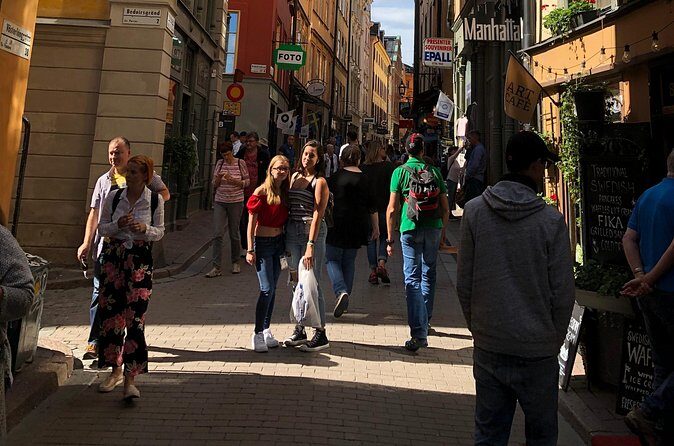
Logårdstrappan is where the tour changes flavor. Instead of urban protection and house magic, you move toward the dangers linked to water.
Here the guide introduces several water-associated vaesen, including Näcken and bäckahästen (the Swedish version of Kelpie). You’ll also hear about Sjörå and skepps-rå—spirits connected to sea and ships—described as figures who try to lure people and pull them into danger.
This stop is strong because it explains why these creatures show up in folklore at all. Rivers, falls, and the sea weren’t just scenic in old Stockholm—they were real risks in daily life, and stories turned those risks into characters.
If you’re the type who likes “why would people believe this?” moments, this is a good place for that. The tour treats the folklore as a reflection of environment, fear, and survival.
A few more Stockholm tours and experiences worth a look



Kungsträdgården’s dangerous forest folk and the undead child
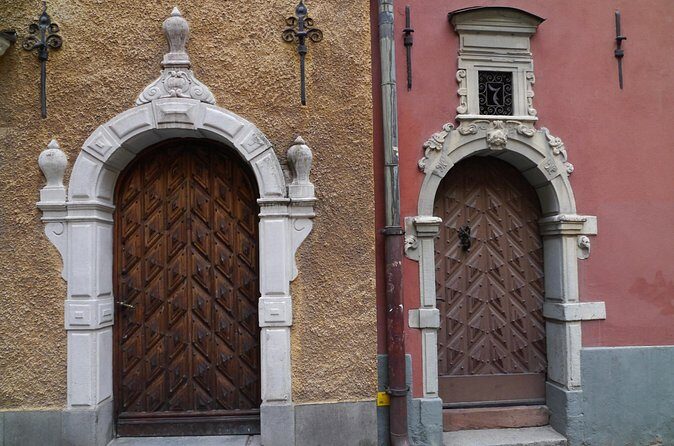
As you head toward Kungsträdgården, the guide broadens the cast of creatures. You’ll hear about the Skogsrået, also known as huldran, along with the undead living child known as Myrling.
This part works well because it feels like a shift from one ecosystem to another. Water spirits belong to the edges of the world; forest spirits belong to the spaces beyond safety; and the undead child blends danger with tragedy.
You also get a sense of how the stories weren’t just entertainment. They were a way to give shape to anxiety: what if the mist is wrong, what if the forest is listening, what if the boundary between life and rest is thin?
S:t Jacobs Kyrka: church doors, baptism lore, and exorcism beliefs
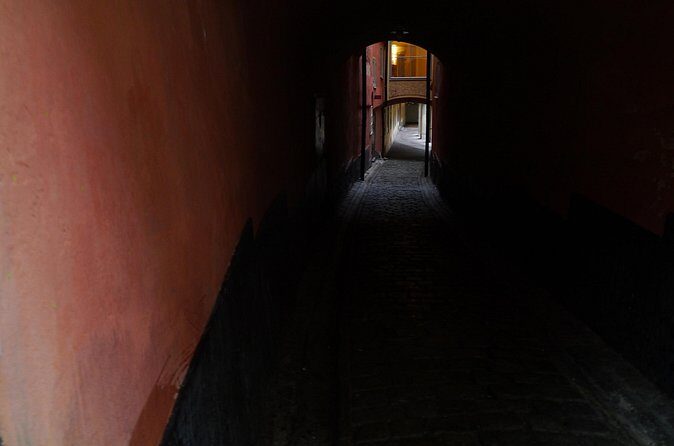
The final stop is outside S:t Jacobs Kyrka, where the focus turns toward church space and its symbolism. The guide talks about the church door and what people believed about the points of vulnerability.
You’ll hear folklore ideas tied to baptism—especially the belief that a child needed protection and that someone could be subject to forces needing correction. The tour also includes the darker side of the religious imagination, including exorcism-style beliefs and what people thought you could do if you had a worst enemy.
This is a fitting closer because it ties the tour’s theme together: protection and fear in everyday life. Doors, thresholds, and sacred spaces all become “systems” against harm—whether you see them as superstition, symbolism, or storytelling tradition.
Pace, duration, and how the route flows
The tour is described as around 1 hour 30 minutes (and it’s branded as a “2h” experience). In practice, plan for roughly 1.5 to 2 hours depending on pace, questions, and weather.
It’s a walk with frequent short story stops, so it doesn’t feel like one long lecture. Each segment is designed to be digestible—about 10 to 20 minutes per area—so your brain stays switched on.
Group size is capped at 30, and the tour ends just outside Old Town on the north side near Kungsträdgården, with about a 10-minute walk back toward the start area. That means you can easily continue exploring after, without needing to “re-figure” where you are.
English guide, mobile ticket, and the practical stuff you should know
The experience runs in English and uses a mobile ticket. The tour includes a guide, and the meeting point is clear: Nobel Prize Museum area at Stortorget 2.
It’s also set up to be easy to reach with public transportation. Service animals are allowed, and most people can participate.
If you’re traveling with kids, this tour can work—one of the strongest themes is that the stories are structured like street-level history with a mythology layer. The tone tends to be engaging rather than gruesome-for-the-sake-of-it.
“Is this a ghost tour?” What kind of horror you’ll actually get
The name includes ghosts and horror, but the experience is closer to an interpretive history-and-folklore walk than a theatrical ghost hunt.
You’ll hear spirits, curses, and protective rituals, but the approach is explanation-first. The tour’s horror is cultural: it’s about what people feared, what they believed could harm them, and how that fear shaped behavior around doors, baptisms, water, and forests.
That’s why it’s worth it even if you don’t love horror movies. You’ll leave with a sharper sense of what Stockholm’s old streets might have meant to the people who lived there.
Value: why this tour feels like more than the label
You’re paying for two things that are hard to get on your own: a guided narrative and a curated “reading” of the city. Old Town is walkable, yes. But it’s not obvious where the execution details connect to folklore beliefs about dead blood, or why iron is mentioned again and again in door stories.
The guide quality matters here. The feedback you’ll see around this tour highlights a style that mixes humor with facts and stays open to questions. That combo turns a spooky theme into something you can learn from, not just tolerate.
And because the route stays compact, you get value through momentum. You’re not spending the best part of your time figuring out where to stand and when to look.
Who should book this (and who might want something else)
Book this if you like old cities where stories are attached to specific corners. It’s especially good for you if you enjoy folklore that explains everyday behavior—protection at doors, fears of mist, and water-based dangers.
You should also like it if you’re planning a broader Old Town day and want one part of it to be darker, specific, and guided. It pairs well with a later self-guided walk where you can notice the elements you just learned to “read.”
Skip it if you want a staged jump-scare experience, heavy special effects, or a purely supernatural plot. This is more about the way people thought than about chasing a ghost through dark alleys.
Should you book Bloody Stockholm 2h?
I think you should book it if you want Old Town to feel alive in a new way. You’ll get a guided route that turns executions, street names, and church door lore into a connected story about fear and protection in Swedish culture.
If your travel style is fact-forward with a side of mythology—and you like your horror grounded in places—you’ll likely find it a strong use of an evening. If you want a theatrical ghost tour, look for something more performance-based.
FAQ
How long is the Bloody Stockholm tour?
The duration is listed as about 1 hour 30 minutes, and it is also branded as a 2h experience. Plan on roughly 1.5 to 2 hours depending on pace and questions.
Is the tour offered in English?
Yes. The tour is offered in English.
Where does the tour start and end?
It starts at Nobel Prize Museum, Stortorget 2, 103 16 Stockholm, Sweden. It ends just outside Saint Jacob’s Church area at Västra Trädgårdsgatan 2A, 111 53 Stockholm, Sweden.
What is included in the ticket?
A guide is included.
How many people are in the group?
The tour has a maximum of 30 travelers.
Can I cancel and get a full refund?
Yes. You can cancel up to 24 hours in advance for a full refund. If you cancel less than 24 hours before the start time, the amount you paid is not refunded.