REVIEW · GAMLA STAN & OLD TOWN TOURS
Stockholm: Old Town Historical Walking Tour
Book on GetYourGuide →Operated by Stockholm Tours by Kiki · Bookable on GetYourGuide
Gamla Stan works best with a guide. With Kiki, an Authorized Stockholm Guide, you’ll follow cobblestones and narrow alleys while she connects medieval streets to the stories that shaped Stockholm. I love the way the tour uses vivid, sometimes brutal history to make architecture feel personal, not textbook.
I also really like the small group setup and native English delivery. You get time for questions, and the route mixes big “must-see” sights with practical local pointers on food and shopping, including a handy card of places to revisit. One thing to consider: because the tour is story-driven in English, you’ll get the most if your English is comfortable.
In This Review
- Key highlights worth your attention
- Why this Old Town walk feels different than a usual sightseeing loop
- Mynttorget 1: starting at the gate, not at the far end
- Cobblestone history in Gamla Stan: squares, runes, and tight medieval streets
- The main square and the oldest street energy
- A rune stone and a look at language across centuries
- The German church: faith, identity, and foreign communities
- A quick pause on the busy tourist street
- The narrowest street in town: medieval space limits you can touch
- Former marketplace and financial square: the business side of survival
- A famous restaurant with a long story
- Shopping streets and the statues that anchor the legends
- From Royal Palace to religious Stockholm Cathedral
- Royal Palace area: kings and queens in plain language
- Sweden’s religious history: why churches matter beyond worship
- Stockholm Cathedral: one of the oldest structures
- Pacing, comfort, and what to bring for a 2-hour walk
- Group size and the Kiki effect: asking questions without losing the plot
- Price and value: what you get for $52 per person
- Who should book, and who should skip
- Should you book Stockholm: Old Town Historical Walking Tour with Kiki?
- FAQ
- Where does the tour start and end?
- How long is the Old Town walking tour?
- How large is the group?
- Is the tour guide available in English?
- What major places are included during the walk?
- Is the walking difficult?
- What should I bring?
- Is it refundable if my plans change?
- Is this tour suitable for children?
Key highlights worth your attention
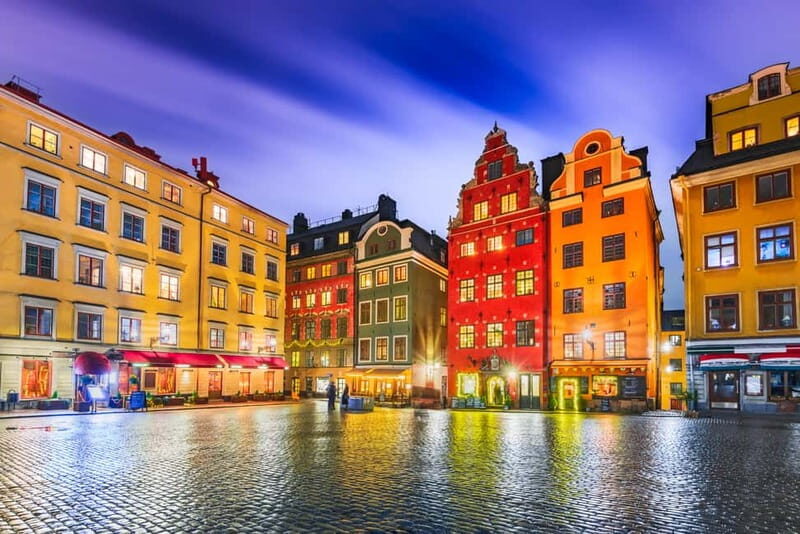
- Authorized Stockholm Guide with native English that keeps the story flowing from stop to stop
- Small group (up to 10 people) so you’re not stuck as a numbered dot in a crowd
- A full Old Town circuit built around squares, alleys, churches, statues, and viewpoints
- Local tips at the end, including recommendations for what to eat and what to do next
- Easy pace, cobblestones only (no steep climbs or stairs) with all-weather planning
Why this Old Town walk feels different than a usual sightseeing loop
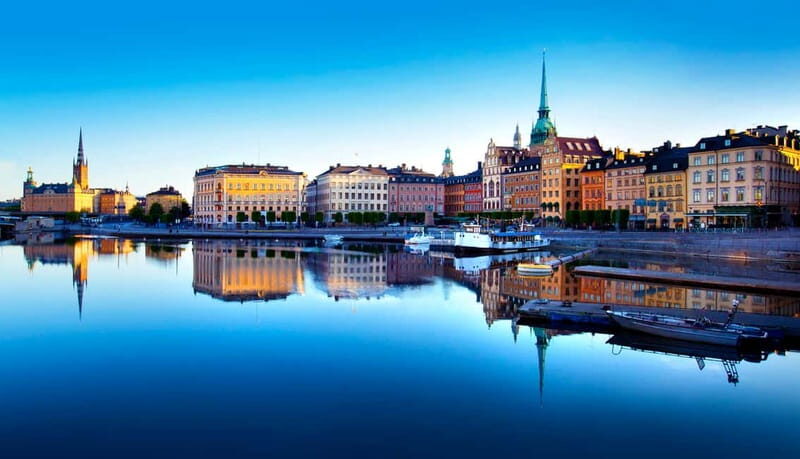
Old Town in Stockholm can look like a postcard, but the real payoff is context. This tour is designed around a guide who explains not just what you’re seeing, but why those places mattered—politically, religiously, and socially.
What I like most is the rhythm. You start in the “gateway” area, then move into Gamla Stan’s older streets where the city’s medieval personality shows up in details: tight building lines, stone textures underfoot, and street corners that served very real purposes long before tourism.
And yes, you’ll still hit iconic stops like the St. George and the Dragon statue, the Royal Palace area, and Stockholm Cathedral. The difference is how you get there: through a sequence of stories that make each photo opportunity feel earned.
Other Gamla Stan and Old Town tours in Stockholm


Mynttorget 1: starting at the gate, not at the far end
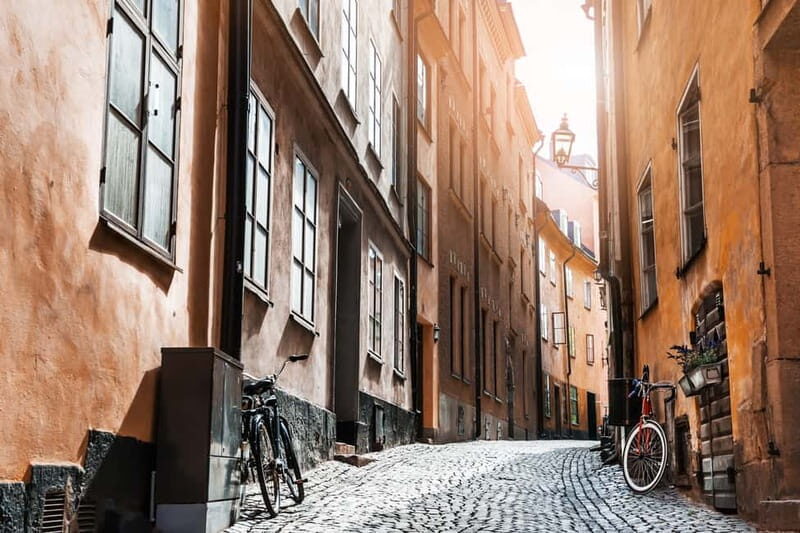
Your tour starts at Mynttorget 1, at Mint Square, a real launch point for Old Town walks. The meeting spot is in front of the building at the square, near the benches, and it’s positioned right by Västerlånggatan and close to the Houses of Parliament—handy for orientation if you’re also doing other sites that day.
Your guide will be holding a small sign for the tour and wearing an official Stockholm Guide badge. It’s a smart setup because Old Town streets are easy to get turned around in, especially when you’re arriving from a hotel on the other side of the water or you’re juggling transit changes.
This first leg matters because it sets the tone: you’re not just collecting sights, you’re learning how the Old Town “maps” onto Stockholm’s identity—from everyday life to power politics.
Cobblestone history in Gamla Stan: squares, runes, and tight medieval streets
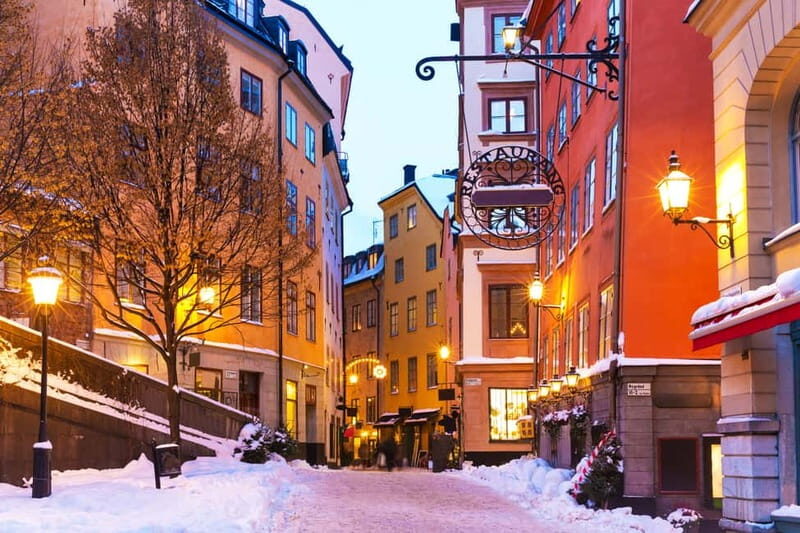
The tour time is about two hours, but it doesn’t feel rushed. It moves at an easy, casual walking pace and stays focused on sights you can actually process—no sprinting between stops, and no deep stair-and-hill workout.
Here’s how the route shapes your understanding of Old Town:
The main square and the oldest street energy
You’ll visit the main square first. Squares are where power and people overlap, and the guide uses them to explain how public life worked in earlier centuries—markets, announcements, gatherings, and conflict all had a place there.
Then you’ll head to one of the oldest streets in Gamla Stan, where the street layout itself becomes a clue. When buildings press close and the street curves the way it did centuries ago, it changes how people moved and where commerce happened. It’s easier to “feel” history when you’re walking the same geometry.
A rune stone and a look at language across centuries
One stop includes a rune stone, which is a great reminder that Scandinavian history isn’t only about medieval kings and churches. Runes connect you to older layers of language and culture, and your guide uses this to bridge eras—so the Old Town doesn’t stay stuck in one time period.
Other walking tours we've reviewed in Stockholm



The German church: faith, identity, and foreign communities
You’ll also see the historic German church. Even if you’re not religious, church sites in Old Town tell you who had influence and who belonged. Your guide explains why a German church fits into Stockholm’s story—how trade and communities shaped the city.
This is where the tour’s storytelling style shines. Facts are woven into a narrative so you leave with images in your head, not just names.
A quick pause on the busy tourist street
You’ll make a brief visit to a busier tourist street. It sounds like a small detour, but it helps you understand how the city looks today and how the medieval core still functions with modern foot traffic.
It’s also practical: you get a sense of where the crowds concentrate, which helps if you plan self-guided wandering right after the tour.
The narrowest street in town: medieval space limits you can touch
Next comes a stop at the narrowest street in the city. Standing there, you immediately understand why Old Town streets were built the way they were—space was precious, and buildings grew to fit the available footprint.
This is the kind of stop that turns history into something physical. You’re not reading about density; you’re standing in it.
Former marketplace and financial square: the business side of survival
You’ll then visit the area described as the former marketplace and financial square. This is where the tour widens beyond castles and cathedrals and reminds you that Stockholm’s growth depended on trade, money, and goods moving in and out of the city.
Even if you’re only in Stockholm for a couple of days, this stop is a strong reminder: cities run on economics, not just kings.
A famous restaurant with a long story
Along the way, you’ll pass by a famous restaurant with a rich history. Since the tour doesn’t require you to sit down, it works like a living landmark—something you can connect to everyday life rather than treating it as scenery.
This stop is also useful for planning your next meal. You’ll get context that makes the restaurant area feel like part of the city’s timeline, not just a place to eat because it’s popular.
Shopping streets and the statues that anchor the legends
After the “serious” stops, you’ll shift to a more playful pace. You’ll stroll down a unique shopping street where the guide points out how Old Town retail evolved—small shops, narrow lanes, and buildings that make window-shopping feel like an event.
Then the tour returns to symbolism with the St. George and the Dragon statue. Statues like this matter because they often reflect cultural themes people wanted to see in public: courage, morality, danger, and order. Standing at the spot, you’re guided to connect the symbol to the era’s values.
You’ll also “greet” the smallest statue in town. That’s a charming touch, and it breaks up the longer stretches of history so you can absorb the big ideas without your brain overheating.
A famous painting is used as an illustration to explain Stockholm’s medieval beginnings. I like this approach because paintings help your mind assemble what you’re seeing. When you’ve got an image in your head, Old Town streets become a real timeline instead of disconnected places.
From Royal Palace to religious Stockholm Cathedral

The tour’s later section moves from medieval city life into the power systems that shaped the city: royalty, then religion.
Royal Palace area: kings and queens in plain language
You’ll head to the Royal Palace to talk through Sweden’s royal history—kings and queens, and what their reigns meant for Stockholm. Even if you’re not a monarchy fanatic, this section helps you read the city properly.
Old Town has a way of making rulers feel close. When you connect that closeness to the right timeline, the architecture starts to make emotional sense.
Sweden’s religious history: why churches matter beyond worship
Next comes Sweden’s religious history. The goal here isn’t to turn the tour into a lecture. It’s to show how belief systems influenced law, community identity, and public space.
This is a strong “second lens.” After learning about marketplaces and royal power, the religious layer rounds out the story.
Stockholm Cathedral: one of the oldest structures
Your grand finale includes Stockholm’s Cathedral, described as one of the oldest structures in Stockholm. This stop is where your walking route culminates into a single, clear image: the city built long-lasting authority in stone.
If you like your history with atmosphere, you’ll appreciate that the tour ends at a place where you can keep looking after the walk—people naturally linger around cathedrals, and this tour sets you up to understand why.
Pacing, comfort, and what to bring for a 2-hour walk
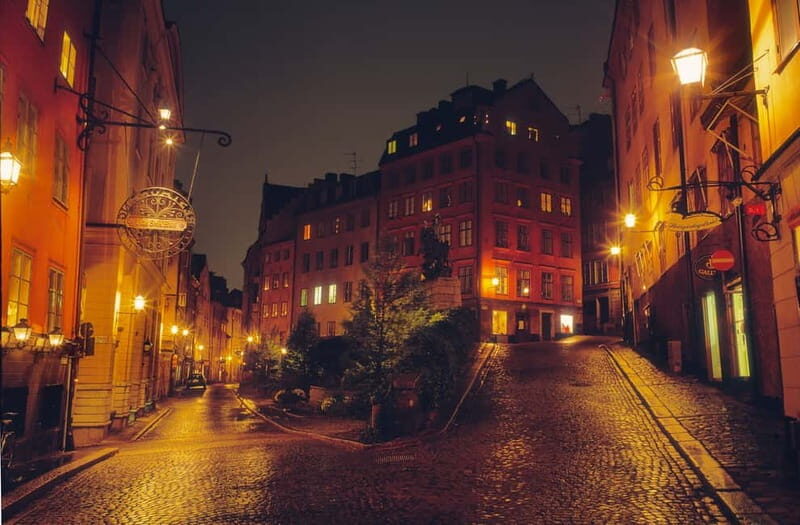
This tour is designed for comfort. The walking is at an easy, casual pace, and it avoids stairs or steep hills. That makes it a good fit for first-time visitors who want a solid Old Town overview without feeling wrecked afterward.
Still, the surface is cobblestone, which can feel different from smooth pavement. Wear comfortable shoes you trust.
Because it runs in all weather conditions, bring what you need for the forecast. The checklist is simple: water, camera, comfortable clothes, and gear for sun or rain like sunscreen and an umbrella or raincoat.
Sunglasses can also be useful, especially in brighter seasons when the stone and water reflections bounce light around.
Group size and the Kiki effect: asking questions without losing the plot

This is a small group, limited to 10 participants. That size is ideal for walking tours because the guide can actually track the group and answer questions without turning the whole day into chaos.
A recurring theme in the guide style is friendliness and professionalism—Kiki’s approach feels welcoming rather than rigid. If you want explanations in real time, this matters. You’re more likely to ask, get an answer, and then carry that new understanding into the next street.
One more practical plus: you’ll receive a tip card at the end with names of places visited and recommendations. That’s the kind of extra that saves you time later, especially when you’re deciding between another museum, a meal, or a quick return to Old Town for photos.
If your schedule allows it, consider a later start time. One review specifically suggested that at around 5pm the streets can feel less crowded, which makes the walk more relaxed.
Price and value: what you get for $52 per person

At $52 per person for a 2-hour guided walk, the price isn’t “cheap,” but it can be strong value—if you care about context.
Here’s what you’re paying for:
- A certified, official guide with native English
- A structured route that covers major Old Town anchors plus smaller streets and details
- Story-driven interpretation that helps you understand what you’re seeing
- Time to ask questions in a group capped at 10
- End-of-tour recommendations that help you spend the rest of your day better
If you’re the type who just wants photos, you could self-walk Gamla Stan with a map. But if you want your time to count—especially on a short visit—this tour helps you get bearings fast.
Also, the tour is free-cancel up to 24 hours in advance (full refund) and has a reserve-now option. That means you’re not locked in if your weather plans change.
Who should book, and who should skip
This tour is a great match if you:
- Want an Old Town orientation with a guide who explains how places connect
- Prefer small group walking over big bus-style crowd herding
- Enjoy history told through stories, not just dates
- Can comfortably follow an English tour with active narration
- Want practical next-step tips for food and shopping right after the walk
You might want to choose something else if:
- You use a wheelchair or need step-free access (this tour isn’t suitable for wheelchair users)
- Your English comfort level is low, since the tour relies heavily on storytelling
- You dislike guided walking and prefer total freedom
Should you book Stockholm: Old Town Historical Walking Tour with Kiki?
If you’re visiting Stockholm and you want Old Town to make sense quickly, I think this is an easy “yes.” The route hits the big names—St. George and the Dragon, the Royal Palace area, and Stockholm Cathedral—while still giving you the in-between details that turn Gamla Stan from pretty to meaningful.
Book it if you like your history human-sized: streets, statues, churches, and squares explained in a way you can remember. Skip it if you don’t want to listen, or if language comfort is a real concern.
FAQ
Where does the tour start and end?
The tour starts at Mynttorget 1 (Mint Square) and ends back at the same meeting point.
How long is the Old Town walking tour?
It lasts about 2 hours.
How large is the group?
The tour is a small group limited to 10 participants.
Is the tour guide available in English?
Yes. The live tour guide speaks English and is a native English speaker.
What major places are included during the walk?
You’ll see stops in Gamla Stan including the main square, an old street, a rune stone, the historic German church, areas around a busy tourist street and the narrowest street, plus stops connected to the marketplace and financial square, statues like St. George and the Dragon, the Royal Palace area, and you’ll finish at Stockholm’s Cathedral.
Is the walking difficult?
The pace is easy and casual. The route is done on cobblestones and does not include stairs or steep hills, but comfortable shoes help.
What should I bring?
Bring comfortable shoes, water, a camera, sunscreen, and sunglasses. Dress for the season, and consider an umbrella or raincoat since the tour happens in all weather.
Is it refundable if my plans change?
Yes. You can cancel up to 24 hours in advance for a full refund.
Is this tour suitable for children?
Children 13 and under are free of charge.
If you want, tell me your travel month and roughly what time of day you’re in Old Town, and I’ll suggest the most comfortable start window for weather and crowd level.