REVIEW · COFFEE EXPERIENCES
Full Day Viking Tour with Fika Swedish Coffee Break
Book on Viator →Operated by UrbanTurism OU · Bookable on Viator
Every Viking stone has a voice.
This day trip strings together runestones, churches, and burial sites into one long history lesson outside Stockholm. I like that it is not just sightseeing stops: you get explanations of runic writing and how the Viking world shifted into Christian Sweden. You should expect a full day of standing and walking between monuments.
My favorite part is the pacing across places with real meaning: Arkils tingstad by a lake, then churches and ruins that show how belief and power changed over time. I also like the small group setup (max 17) and the audio system in the van, so you can hear the guide even while you bounce between sites. A key consideration: the focus can lean technical on runes and archaeology, so if you want a lighter, more pop-culture Viking day, you may feel it is heavy.
In This Review
- What Makes This Viking Day Trip Feel Like One Story
- What $241 Buys: Van Size, Audio, and a Day Packed With Stops
- Stop 1: Jarlabanke Runestones and the Viking Writing Lesson
- Stop 2: Arkils Tingstad, Viking Law by the Water
- Stop 3 and 4: Vallentuna Churches, Granby Farm, and Fika
- Stop 5: Sigtuna, Sweden’s Early Capital and S:t Olof Ruins
- Stop 6: The Church of Old Uppsala and the Burial Mounds
- Stop 7: Uppsala Cathedral and a Quick City Walk
- How Long Is Too Long, and Who This Tour Fits Best
- Practical Tips That Make the Day Easier
- Should You Book This Viking Tour With Fika?
- FAQ
- How long is the Viking tour?
- What’s included in the fika break?
- Is lunch provided on the tour?
- How big is the group?
- What language is the tour in?
- Is the tour okay if I have limited mobility?
- What happens if the weather is bad?
What Makes This Viking Day Trip Feel Like One Story
If you like history that connects, this tour works well. You start with Viking-era stones near the city, then move into places that reflect law, religion, and power. Over roughly 10 hours, you’ll bounce between Viking landmarks and the early Christian sites that followed, ending back where you started.
Two things help it click. First, the guide ties each stop together into a timeline instead of treating them like random photos. Second, the day includes a proper Swedish break with fika at Granby Farm, so you’re not just standing in cold air for hours without a reset.
The possible drawback is still real: some travelers say the rune explanations take more time than they expected, and in bad weather the experience can feel tiring. It is long, and it is outdoors. Bring layers, and don’t plan to snack only on fika.
What $241 Buys: Van Size, Audio, and a Day Packed With Stops
At about $241 per person for a 10-hour guided loop, this isn’t a bargain stroll. You are paying for transportation out of Stockholm, a guide for multiple historical sites, and an included fika break. The value is strongest if you want guided interpretation at every major stop.
Here’s what you’re getting for the price:
- Small group: maximum 17 travelers.
- A comfortable van/minibus with audio system for each passenger.
- Pickup is offered, but it may not work directly at your door, so you might need an alternate address.
- Admission is listed as free for the stops on the plan.
- One included fika break (labeled as Swedish coffee break with pastry).
The cost also makes more sense because the day is not just one site. You visit seven major stop areas, including Sigtuna and both Old Uppsala and Uppsala Cathedral. That’s a lot of ground covered in a single day with a guide doing the heavy lifting.
One practical warning: lunch is not included, so plan ahead. If you shop or wander later in Sigtuna, you’ll want energy in your pocket.
Other Viking history tours from Stockholm

Stop 1: Jarlabanke Runestones and the Viking Writing Lesson
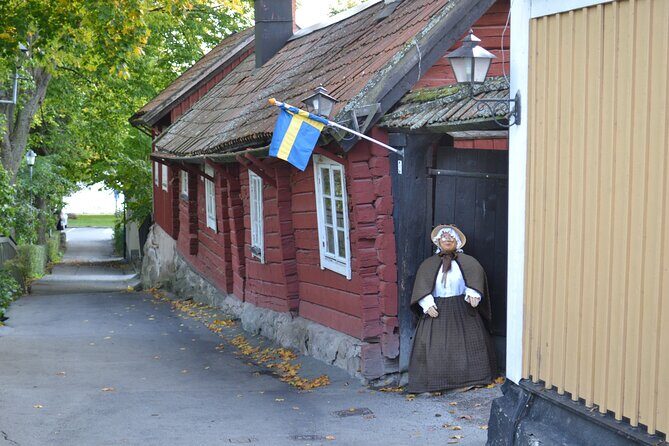
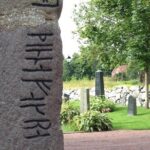
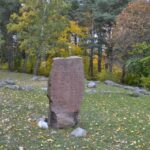
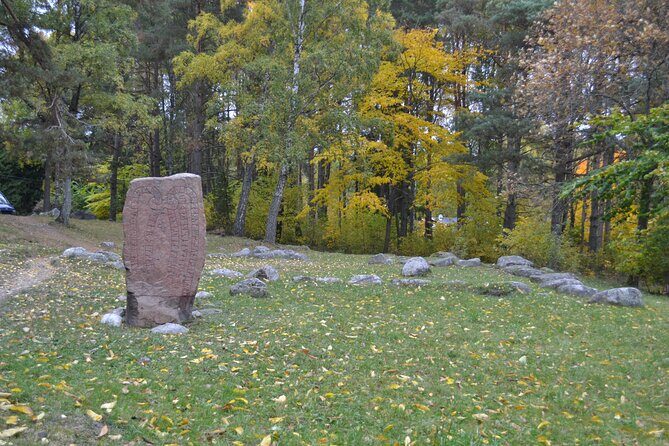
You start with the Jarlabanke Runestones, just a short drive from Stockholm. The time on site is around 40 minutes, and it’s built around reading the runic script. The guide explains the message on the stone and what it can tell you about Viking life.
Why this matters: runestones can look like “cool rocks” until someone explains how reading them works. This is where the day often wins people over, because you get the basics early enough to understand what comes next.
What to expect:
- A guided look at two famous runestones.
- Runic translation and context, rather than just pointing and moving on.
- Free admission on the listed stop.
If you’re the type who likes understanding how historians interpret evidence, this opening is a strong start. If you don’t care much about runes, this may feel like your first of many “slow-down” moments, since later stops also include rune-related themes.
Stop 2: Arkils Tingstad, Viking Law by the Water
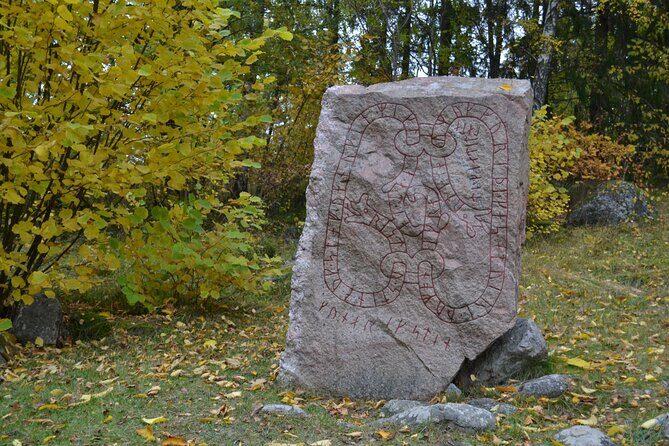
Next comes Arkils tingstad, a lakeside place tied to Viking gatherings—meetings, court, and legal process. It’s a short hop from Jarlabanke Runestones (about 5 minutes), with around 30 minutes on site.
This is the stop that adds texture. Many Viking tours focus on battles or ships. Here you get something rarer: the idea that community decisions and law had a public place, not just leaders behind closed doors.
What you’ll likely hear:
- How Vikings used a legal system during assembly.
- How the setting of a public gathering shaped social power.
It’s also scenic. Even if you’re tired from the car, this is one of the stops where you can regain your balance and just watch the lake.
Stop 3 and 4: Vallentuna Churches, Granby Farm, and Fika
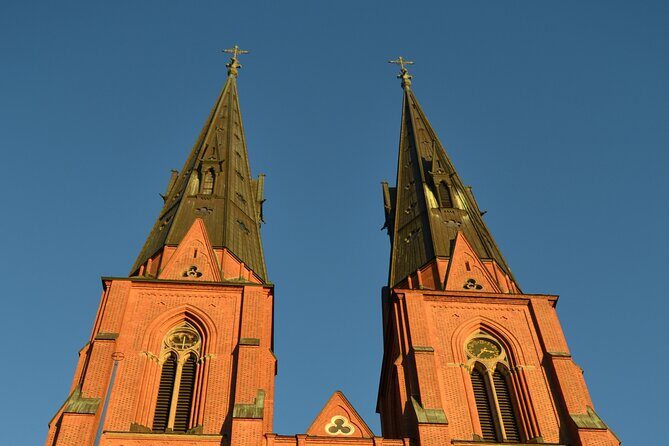
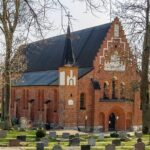
After Arkils tingstad, the day shifts toward the transition from pagan life to Christianity in the region. You visit Vallentuna church (a late 12th-century parish church) for about 30 minutes. The guide discusses the transformation from Viking-age beliefs into Christianity, and you also get a brief history connected to the Church of Sweden.
Then you move to Granby Farm for the fika break. This is where the tone often lightens, because you get food and space to breathe. You have around 45 minutes at the farm, including a look at ruins of an older Viking settlement and a note about a very large runic script found there—described as the largest runic script in the world.
The fika portion is included, and it’s widely treated as a highlight. Expect Swedish coffee with pastry during the break. It’s not a full meal, so I still recommend eating something earlier if you think you’ll get hungry.
One more practical thought: you’ll likely spend time outdoors around the ruins. If you show up in thin layers, you’ll feel it.
Stop 5: Sigtuna, Sweden’s Early Capital and S:t Olof Ruins
From Granby Farm, you head to Sigtuna, described as Sweden’s first capital with a conserved feel. The schedule includes an introduction and a big chunk of time to wander.
You’ll get about one hour of free time in Sigtuna, plus roughly 20 minutes of guiding after the setup. The guiding includes a visit to the ruins of S:t Olof church.
Why this stop is valuable:
- It adds a town experience, not just monuments.
- You get context first, then room to explore at your pace.
- The church ruins connect religion to the broader timeline you’ve been building all day.
If you’re someone who likes taking photos but also likes letting history land, this is a good balance point. Just remember: if you wait until you’re tired to eat, you may find it harder to find food where you are when lunch hours end.
Other food and fika tours in Stockholm





Stop 6: The Church of Old Uppsala and the Burial Mounds
Now you hit the most myth-and-power section of the day: the Church of Old Uppsala and its burial mounds. Expect about 40 minutes here, focused on the burial landscape.
This was described as a spiritual center for both Vikings and early Christians. You’ll hear about how old kings were buried in individual mounds, and how belief and leadership were expressed in place.
This stop is where the tour becomes more than facts. You’re standing in a physical setting tied to stories people once lived. Even if you’re not a mythology person, the geography helps you understand why these places gained weight in the first place.
The time is short, though. You only have so long to take it in and still make the rest of the day work.
Stop 7: Uppsala Cathedral and a Quick City Walk

The final major stop is Uppsala Domkyrka, the main Church of Sweden cathedral and the seat for the archbishop. You get about 45 minutes, including a guided tour inside the church plus a brief city tour.
This part helps close the circle: the day began with Viking runes and public assembly, and now you end inside a central Christian institution that shaped Swedish religious life.
What I like about this structure is the contrast. Even if you felt the runestone sections were intense, the cathedral offers a different type of attention—less about “how to read marks,” more about architecture and the role of the church in the country’s story.
Then you’re back on the road for a scenic drive portion between stops, ending with return to your meeting point.
How Long Is Too Long, and Who This Tour Fits Best
This is a day tour. It lasts about 10 hours, and you’ll do short walks and some standing. That’s manageable for many people, but it’s not the best choice if your mobility is limited or you just want a relaxed stroll.
This tour fits best if you:
- Want guided interpretation of Viking-era runes and what they might mean.
- Like seeing history spread across different places in one day, not just one museum stop.
- Enjoy a small-group setting where the guide can keep control of timing.
It may frustrate you if:
- You expected a lighter, more casual Viking culture day with more downtime.
- You wanted more town time at Sigtuna or less time spent on rune-by-rune explanations.
- You are very sensitive to cold or wet weather and dislike outdoor pauses.
Also, guides vary by departure. Some people highlighted Urban for being engaging, and at least one day included Udun as guide. Either way, the tour is built around an academic style of explanation, so tune your expectations accordingly.
Practical Tips That Make the Day Easier
A few things can make or break the experience, especially in Sweden’s changeable weather.
Wear for the outside time. Bring a warm layer and a waterproof shell. One traveler noted they were shivering when conditions were cold and wet, and the bus heat wasn’t enough for everyone.
Eat before you rely on fika. The included fika is a coffee-and-pastry break, not lunch. If you plan to browse Sigtuna, you’ll appreciate having calories earlier.
Use your audio seat wisely. The van is equipped with audio, and it can help a lot if you sit where sound is clearest. If you struggle to hear in noisy conditions, consider switching seats if your group can manage it.
Set your focus early. If runes are the reason you booked, great. If you’d rather spend more time in towns like Sigtuna, keep in mind you only get about an hour of free time there.
Bring a charger for mobile tickets. The tour uses a mobile ticket, so don’t show up with low battery.
Should You Book This Viking Tour With Fika?
Book it if you want a guided day that treats Viking and early Swedish history as one connected storyline. The combination of runestones, assembly by a lake, Old Uppsala burial sites, and Uppsala Cathedral is a strong hit of “history that connects,” and the included fika break at Granby Farm is a smart mid-day reset.
Skip it if you hate technical explanations or you’re hoping for a very relaxed, mostly town-based day. Since the tour can spend more time on runes and has a long schedule, it’s best for history-minded travelers who enjoy learning the how and why behind the sites.
If you’re deciding between this and a shorter option, think about your stamina and attention span. This one rewards people who like to listen, take notes mentally, and walk away feeling they understand the places, not just the photos.
FAQ
How long is the Viking tour?
It runs for about 10 hours (approx.), with travel between multiple stops outside Stockholm.
What’s included in the fika break?
You get a Swedish coffee break called fika, typically at Granby Farm, with coffee and pastry. Lunch is not included.
Is lunch provided on the tour?
No. Lunch is not included, so plan to eat on your own during the day.
How big is the group?
The tour has a maximum of 17 travelers.
What language is the tour in?
The tour is offered in English.
Is the tour okay if I have limited mobility?
Most travelers can participate, but you should be able to stand up and do short walks.
What happens if the weather is bad?
The tour requires good weather. If it’s canceled due to poor weather, you’ll be offered a different date or a full refund.