REVIEW · SIGTUNA DAY TRIPS
From Stockholm: Uppsala and Sigtuna Viking Sites Tour
Book on GetYourGuide →Operated by Urban Turism · Bookable on GetYourGuide
Vikings left fingerprints across Uppsala. This 9-hour trip connects Viking-era sites around Stockholm County to the burial mounds and churches that shaped Swedish faith and power, with small-group discussions led by guides from Urban Turism. You’ll move through places you normally only see on postcards, then get the stories that explain why they mattered.
I especially like the interactive style: you’re invited to ask questions, not just listen. I also love the practical setup, including hotel pickup and drop-off when possible, plus English audio via whispers so you don’t have to strain in transit.
The main drawback is timing. It’s a full day with outdoor walking in the weather, and if it gets dark early (or the skies don’t cooperate) you may spend more time in covered spots than you’d hoped.
In This Review
- Key points before you go
- Why this Viking day trip from Stockholm makes sense
- Pickup, meeting point, and how the day stays easy
- Jarlabanke Bridge and Arkils Tingstad: the story starts before you leave Stockholm
- Vallentuna church: a medieval checkpoint in Viking territory
- The farm stop and fika at HÖKERIET: a break that’s actually part of the experience
- Sigtuna: ruins, a Norwegian saint story, and 1 hour to wander
- Gamla Uppsala: burial mounds and the Midwinter blot legends
- Uppsala Cathedral and the university area: where Sweden’s story lands
- Price and value: is $235 fair for this 9-hour structure?
- Who this tour fits best (and who should consider alternatives)
- Should you book this Viking day trip from Stockholm?
- FAQ
- How long is the tour?
- Is hotel pickup and drop-off included?
- What language is the tour in?
- Is fika included?
- Where do I meet the group if I cannot get pickup?
- Is free cancellation available?
Key points before you go
- Small groups (max 17) keep the pace human and the Q&A actually useful.
- Whispers audio system helps you hear the guide clearly both inside and outside the vehicle.
- Runriket-style Viking route links multiple sites so you get the big picture, not isolated stops.
- Sigtuna free time means you can browse at your speed, not only follow a schedule.
- Gamla Uppsala burial mounds connect early centuries AD to Viking-era belief and politics.
- Uppsala Cathedral and university area give you a strong ending that shows what replaced pagan centers.
Why this Viking day trip from Stockholm makes sense
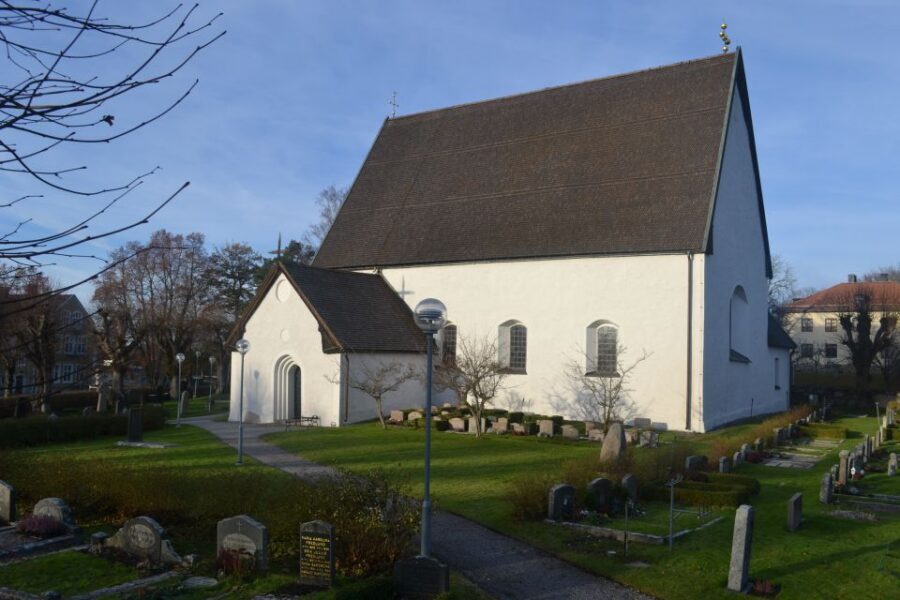
If you only have one day, this tour solves the hardest part: getting out to Uppsala and Sigtuna efficiently while still seeing multiple stops tied to Viking Sweden. You’re not hopping between random “things to see.” You’re following a story-line that moves from the past into the early Christian era.
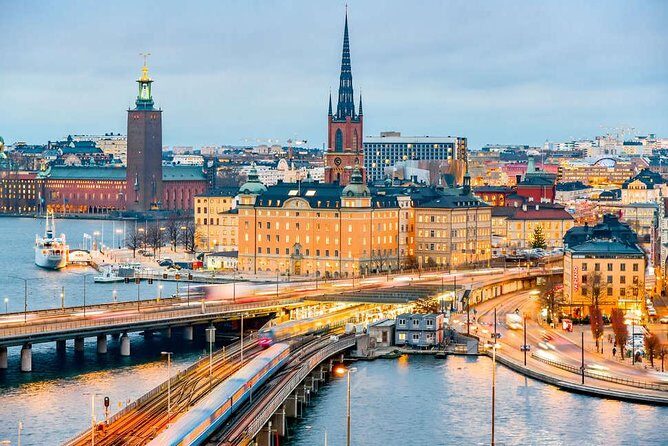
Stockholm can feel very modern, very fast. This day slows you down and gives you a different rhythm—bridges, churches, farmland breaks, and then Uppsala’s cathedral complex where the Viking story shows up in the next era. You end the day back in Stockholm with time to decompress.
Other Viking history tours from Stockholm


Pickup, meeting point, and how the day stays easy
Hotel pickup and drop-off are part of the package, if possible. If you’re staying outside the center, you may be picked up at Radisson Waterfront Hotel by the Central Railway station, and you’ll return to selected drop-off hotels in Stockholm later.
If you prefer the meet-and-go option, the meeting point is Radisson Blu Waterfront Hotel: upper street, Klarabergsgatan, by the hotel entrance. The tour also notes a non-driving area for non-electrical car in the center from 2025, so you may be asked to use a nearby pickup spot rather than right at your door.
Two practical things help make this smoother. The first is the whispers audio system, which lets you follow the English guide in motion and outdoors. The second is the small group size, which keeps the vehicle boarding and offboarding calmer.
Jarlabanke Bridge and Arkils Tingstad: the story starts before you leave Stockholm
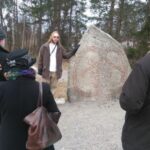
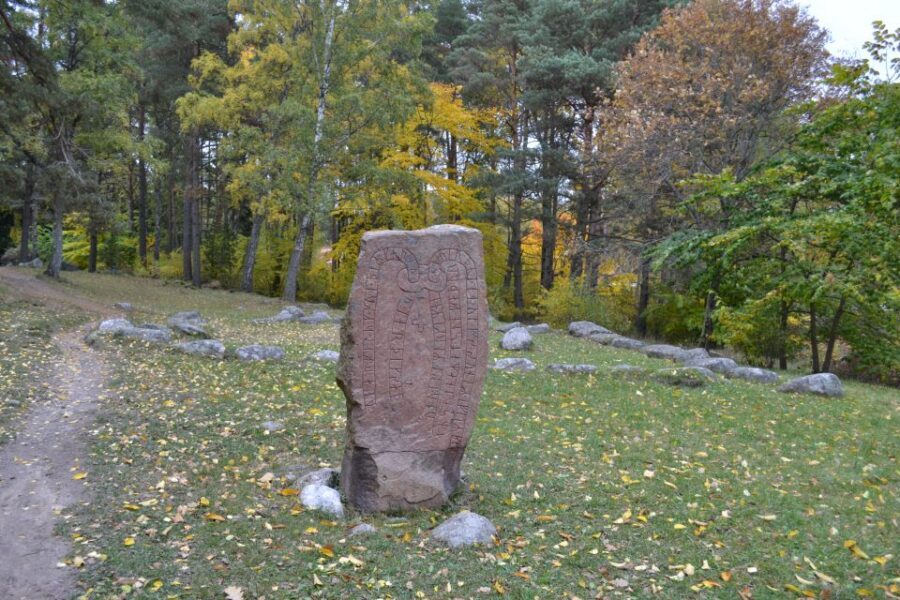
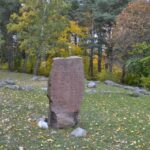
Right away, the tour begins in Stockholm County with guided stops that set the stage. You’ll spend time at Jarlabanke Bridge and then head to Arkils Tingstad, both with narration that frames the Viking-era landscape around the city.
These are the kinds of stops that help you connect later sites to what existed closer to Stockholm. Instead of treating Uppsala and Sigtuna as totally separate worlds, you learn how the broader region ties together—routes, settlements, and shifts in belief.
One thing I’d keep in mind: these early stops can feel shorter on screen time than you expect. The value is in the context the guide builds, so don’t tune out if you’re hungry for only the “big” monuments.
Vallentuna church: a medieval checkpoint in Viking territory
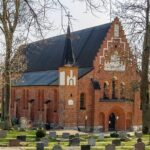
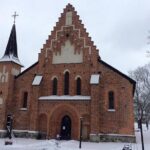
Vallentuna church is one of the more grounding moments on the schedule. It’s a real church stop—about seeing how later Swedish Christianity took shape in a region tied to much older traditions.
The guide’s emphasis here matters. You’re not just looking at walls and architecture; you’re being taught how religious change played out over generations, not overnight. That helps when you later visit Gamla Uppsala and hear about the transition from pagan centers to Christian institutions.
Plan to stand and walk a bit. This tour notes you should be able to manage a couple hundred meters of walking and standing for periods, so comfortable shoes matter more than fancy photos.
The farm stop and fika at HÖKERIET: a break that’s actually part of the experience
You get a Swedish coffee break at HÖKERIET (part of the Granby farm style stop described in the tour). This isn’t just a snack moment; it’s timed so you can reset before Sigtuna and again before Uppsala.
Fika is included, and the day is structured so you’re not just drinking coffee while the tour machine keeps rolling. You’ll also have a guided component during the stop, so you’re learning while you’re resting.
Bring a jacket even if it’s mild in Stockholm. Outdoor Sweden weather can change fast, and a warm layer makes that fika break feel like it should, not like survival.
Other Sigtuna day trips from Stockholm


Sigtuna: ruins, a Norwegian saint story, and 1 hour to wander
Sigtuna is your first real “town moment” of the day. The tour explains that it was founded in the late Viking era, so it already carries that in-between feeling—old beliefs fading, new power centers growing.
In town, you’ll explore the ruins of Saint Olaf church. The guide ties it to Olaf as a Norwegian Viking warrior who later converted to Christianity and became a saint. It’s a strong link between identity and faith: you’re looking at the physical evidence of a cultural shift, not a textbook summary.
Then you get free time (about 1 hour). This is a good window for lunch planning, browsing, and shopping, or simply walking the picturesque streets at your pace. It also helps you manage a practical reality: after several stops, you may want to pause somewhere that feels less scheduled.
A possible drawback is timing: one hour can fly. If you want a longer walk or museum time, use your planning brain—choose what matters most to you before you arrive.
Gamla Uppsala: burial mounds and the Midwinter blot legends
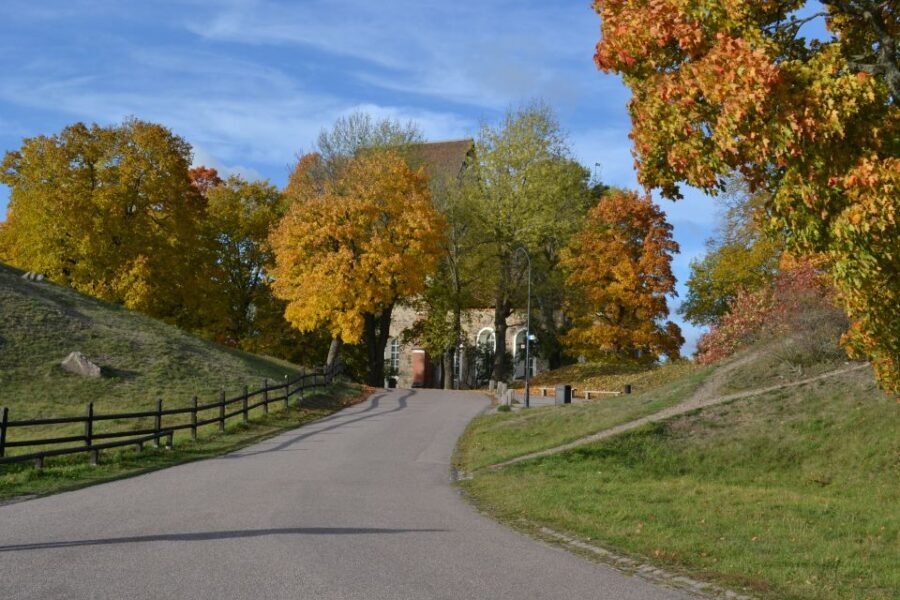
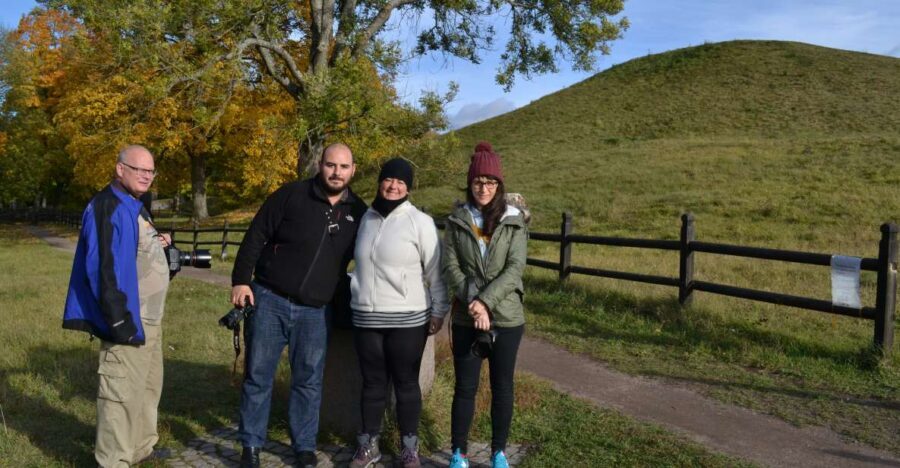
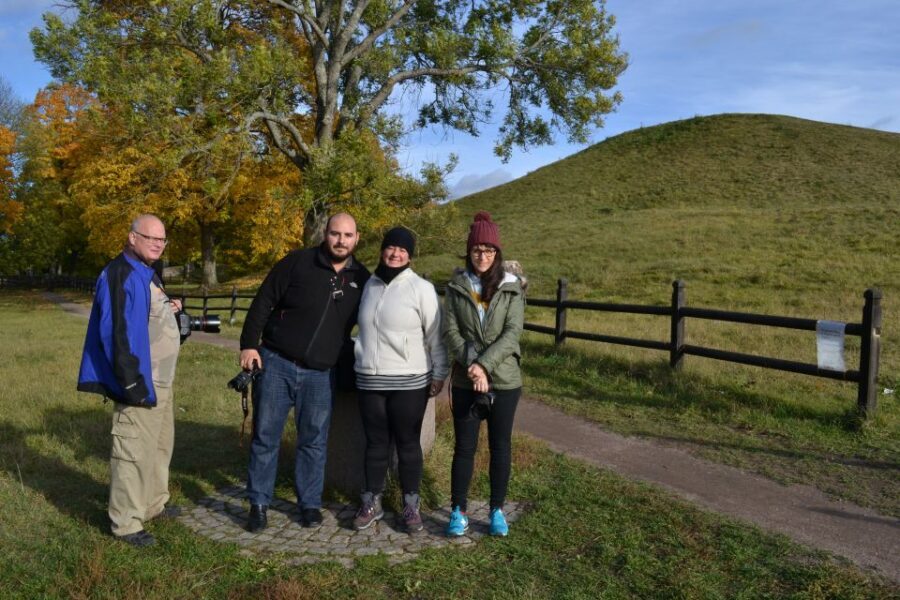
Gamla Uppsala is where the day turns myth-heavy in the best way. You’ll visit the famous burial mounds that date from the first centuries AD until the end of the Viking era, and you’ll hear it framed as a spiritual center for Vikings across Scandinavia.
The tour also connects this place to Midwinter blot festivals. That’s the kind of detail that can sound abstract until you see the setting and understand why these rituals mattered for community power and seasonal timing.
You’ll also get the story—described as legend—of a pagan temple burned down in 1087, followed by a church built on top that later became central in Sweden and the seat of the country’s first archbishop. Even if you treat the legend as legend, the takeaway is clear: sacred places didn’t vanish. They were repurposed.
This stop is guided for about 45 minutes, so you’ll get a structured explanation. Still, dress for the elements and bring a sense of patience—this is outdoor ground that can be windy and cold.
Uppsala Cathedral and the university area: where Sweden’s story lands
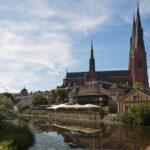
The final main stop is Uppsala Cathedral, with a guided visit (around 40 minutes). This is a satisfying ending because the tour has been building the narrative of religious and political transformation, and now you see the institution that grew out of those changes.
After the cathedral, you’ll also get a brief guided look through the university areas as you head back toward Stockholm. It’s not a full campus tour, but it gives you a sense of why Uppsala became a long-term center for learning, authority, and Swedish identity.
If you’re the kind of person who likes to understand how old power structures become new ones, this part clicks. You’re seeing continuity—belief changes, but institutions evolve instead of disappearing.
Price and value: is $235 fair for this 9-hour structure?
At $235 per person for a 9-hour day trip, you’re paying for a few specific things that are hard to DIY efficiently. You get hotel pickup/drop-off when possible, a small group cap (max 17), multiple guided stops across Stockholm County, and an included fika break.
You’re also paying for narration that stitches sites together. Many day trips show you locations; this one tries to connect them into a Viking-to-Christian storyline, including details like Midwinter blot festivals and the Olaf-to-saint conversion thread.
That said, a price tag like this will feel high if you’re the type who wants lots of independent exploring time. The tour includes free time in Sigtuna, but the rest of the day stays guided. If you’re value-focused, the best test is simple: do you want guided historical context and easy transport more than long self-directed wandering?
Who this tour fits best (and who should consider alternatives)
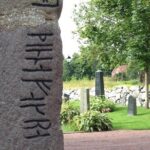
This tour is a great fit if you want a structured Viking day trip without the logistics headaches. It works especially well if you like church sites, rune-and-region context, and the shift from pagan centers to Christian institutions.
It also fits solo travelers and couples who enjoy discussion. The format is designed for questions, and the group size stays small enough for you to actually be part of the conversation.
It may not be ideal if you need lots of downtime. You’ll be on the move through several guided stops, and the day includes outdoor time plus a bit of walking and standing.
One more fit point: the tour is in English and described as historical at an academic level. If you follow English easily but want light storytelling only, you might prefer something more casual.
Should you book this Viking day trip from Stockholm?
Yes, if you want a one-day route that makes Viking Sweden feel connected—from Stockholm County’s early context to Sigtuna’s late Viking roots and Uppsala’s cathedral ending. I’d book it when you can do the walking, dress for the weather, and you’re happy trading some free-time flexibility for strong guided explanation.
Skip it or choose a different style if you dislike long days or you want a mostly independent itinerary. This tour is built for guidance, not wandering. And if the weather is rough, you might spend less time outside than you planned, even though the guide will try to keep the day moving smoothly.
If your goal is to leave Stockholm with a clearer mental map of how Uppsala and Sigtuna fit into the Viking story, this one is likely to land well.
FAQ
How long is the tour?
The tour duration is 9 hours.
Is hotel pickup and drop-off included?
Yes. The tour includes hotel pickup and drop-off when possible, with a list of pickup and drop-off hotel options.
What language is the tour in?
The live tour guide and audio are in English.
Is fika included?
Yes. Fika is included and is normally enjoyed at Granby farm (listed as HÖKERIET in the itinerary).
Where do I meet the group if I cannot get pickup?
The meeting point is Radisson Blu Waterfront Hotel at the upper street, Klarabergsgatan by the entrance of the hotel.
Is free cancellation available?
Yes. You can cancel up to 24 hours in advance for a full refund.