REVIEW · HISTORICAL TOURS
Stockholm: Sigtuna and Uppsala Viking History Day Tour
Book on GetYourGuide →Operated by STOCKHOLM EXCURSIONS · Bookable on GetYourGuide
Runestones are better than any scroll. This Stockholm Viking day pairs Jarlabanke Bridge inscriptions with Sigtuna’s medieval streets, and it’s paced so you don’t feel rushed in each place. One possible drawback: it’s a tight schedule, and if you’re sensitive to accents, you might miss a few words while the guide talks non-stop.
I like how the tour jumps between power and everyday life: you’ll see memorial stones tied to real people, then walk remnants that hint at how Vikings lived and governed. The hotel pickup in central Stockholm also helps—no awkward self-arranging once you’re in the city. Still, meals and drinks aren’t included, so plan a budget for fika and any snacks you want along the way.
If you enjoy history you can walk up to (instead of looking at behind glass), this is a strong day-trip format. You’ll need comfortable shoes, because you’ll spend real time on uneven ground around old churches, stone sites, and cobblestones.
In This Review
- Quick Hits: What You’ll Remember From This Viking Day
- Viking Power Stones, Swedish Towns, and Why This Mix Works
- Getting From Stockholm: Pickup + Van Hops That Keep the Day Moving
- Jarlabanke Bridge: The 11th-Century Runestone Bridge You Can Actually Stand On
- Arkils Tingstad: Where Viking Communities May Have Settled Disputes
- Vallentuna Church: From Romanesque Roots Toward the End of the Viking Age
- Orkesta–Granby and the Granby Stone: Runic Texts and Long-House Clues
- Hökeriet at Granby Farm: The Fika Break and Viking-Themed Shopping
- Sigtuna: Sweden’s Oldest Town and Cobblestones That Still Set the Pace
- Uppsala and Gamla Uppsala: Cathedral Beauty and Royal Mounds at the Edge of Legend
- Price and Value: What $255 Buys on an 8.5-Hour Day Trip
- Who This Tour Fits Best (And Who Should Rethink It)
- Should You Book This Stockholm Sigtuna and Uppsala Viking Day Tour?
- FAQ
- How long is the Stockholm: Sigtuna and Uppsala Viking History Day Tour?
- Where is pickup available?
- Is there an English-speaking guide?
- Are meals included?
- What should I bring?
- Are pets allowed on the tour?
- Is there a luggage size limit?
- Can I cancel and get a full refund?
- Is there a reserve now, pay later option?
Quick Hits: What You’ll Remember From This Viking Day

- Jarlabanke Bridge runestones: an 11th-century bridge tied to a chieftain and his family
- Arkils Tingstad assembly site: a rare look at how disputes and decisions may have been handled
- Granby Stone and Granbyhällen runes: the kind of inscriptions you have to study to really get
- Fika at Hökeriet (Granby Farm): a proper Swedish break with Viking-themed souvenirs nearby
- Sigtuna’s oldest-town feel: cobblestone streets, St. Mary’s Church, and museum time
- Gamla Uppsala royal mounds: three burial mounds traditionally linked to legendary Swedish kings
Viking Power Stones, Swedish Towns, and Why This Mix Works
This tour works because it doesn’t treat Vikings like a costume theme. The day is built around objects tied to specific places: bridges marked with runestones, stone texts you can stand near, and burial mounds that shape how people imagine early Swedish kings.
I also like that the tour includes governance and culture—not just battles. Sites like Arkils Tingstad are about community decisions, and Vallentuna Church helps connect the Viking endgame to Sweden’s Christianization era. If you only want warrior stories, you may feel the focus shift; if you like the full arc, it’s a smart match.
Other Viking history tours from Stockholm


Getting From Stockholm: Pickup + Van Hops That Keep the Day Moving
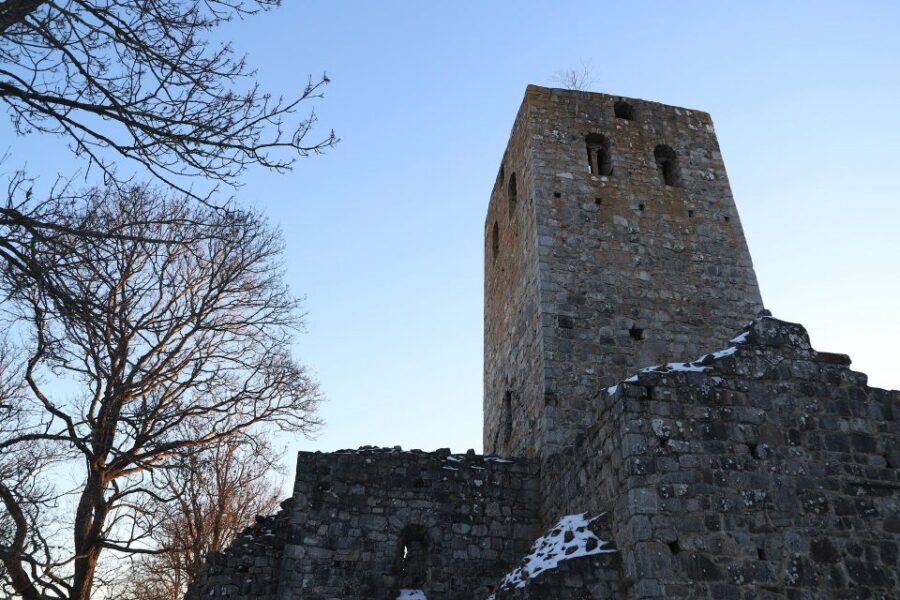
You start in Stockholm with hotel pickup possible from accommodations in central areas. From there, you ride a van for multiple short stretches—enough to see the countryside change, but not so long that you feel trapped.
This matters because the interesting Viking sites aren’t clustered in one tidy downtown block. Without transport, it’s easy to waste the day on logistics. With the van, you spend your energy where it counts: on the stones, churches, and town streets.
You’ll be on your feet for short guided walks and photo stops, so it’s one of those days where good shoes pay you back fast. Also, keep luggage light: large bags aren’t allowed, and the tour isn’t set up for pets.
Jarlabanke Bridge: The 11th-Century Runestone Bridge You Can Actually Stand On
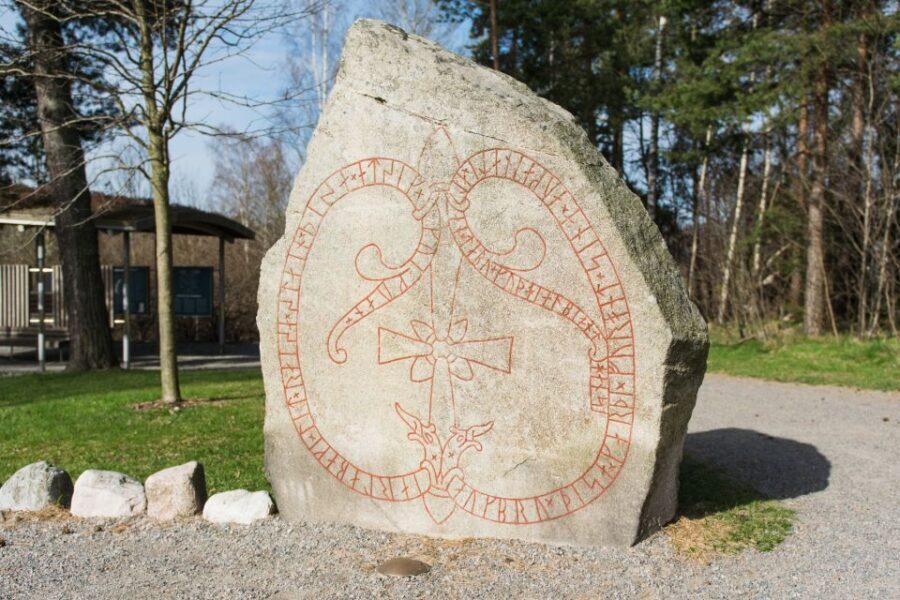
Your first major stop is Jarlabanke Bridge, named for the chieftain Jarlabanke. The standout here is that you’re not just hearing about runes—you’re viewing runestones tied to someone’s power and family in a setting that still feels grounded in the landscape.
What I like is how this makes early medieval Scandinavia feel personal. Runestones are often described as “monuments,” but here they come with names, ties, and implied motivations. It’s the difference between Vikings as a concept and Vikings as real people with real relationships.
Expect a photo stop and guided tour time that’s long enough to get your bearings. Bring your curiosity and let the guide connect the inscriptions to what you’re seeing around you.
Arkils Tingstad: Where Viking Communities May Have Settled Disputes
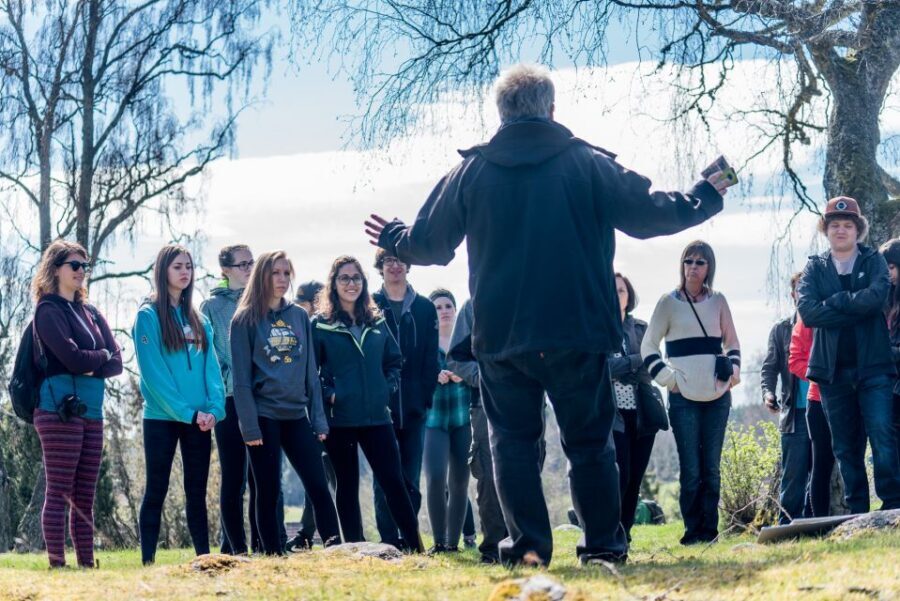
Next is Arkils Tingstad, an assembly site associated with how Viking communities resolved issues and made decisions. This is one of those stops that changes how you think about power.
Instead of imagining authority as only force, the assembly idea highlights process: communities discussing, deciding, and enacting rules. Even if you don’t speak runes or medieval law, you can grasp the concept quickly because it’s physically tied to a specific place in the region.
This stop is shorter than some, but it’s purposeful. You’ll get a photo stop plus a guided look that explains the role of assembly culture—then you move on before the day gets too long.
Vallentuna Church: From Romanesque Roots Toward the End of the Viking Age
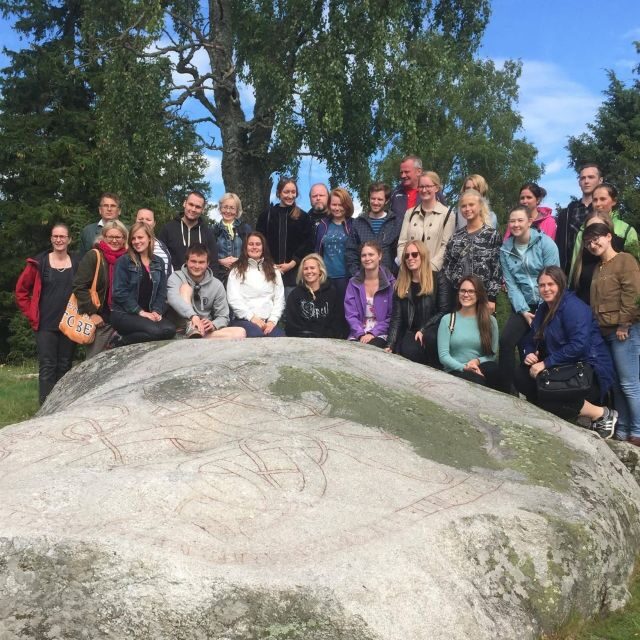
At Vallentuna Church, you’ll visit a building that mixes styles from different eras: Romanesque, Gothic, and Baroque elements. But the reason this matters in a Viking-focused day is the timing and meaning.
You’ll learn how the church links to the end of the Viking age and Sweden’s Christianization. In other words, this is where the tour shows you the shift from old traditions to the new religious structure that followed.
The guided portion here is short but dense. If you’re the type who likes to pause and look closely at architecture, you’ll get more out of it. If you’re only hunting for runes, you may treat it as a helpful context stop—but it’s worth your attention because it explains the “what changed and why” piece.
Other Sigtuna day trips from Stockholm
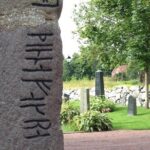
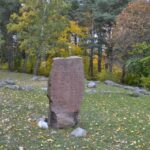



Orkesta–Granby and the Granby Stone: Runic Texts and Long-House Clues
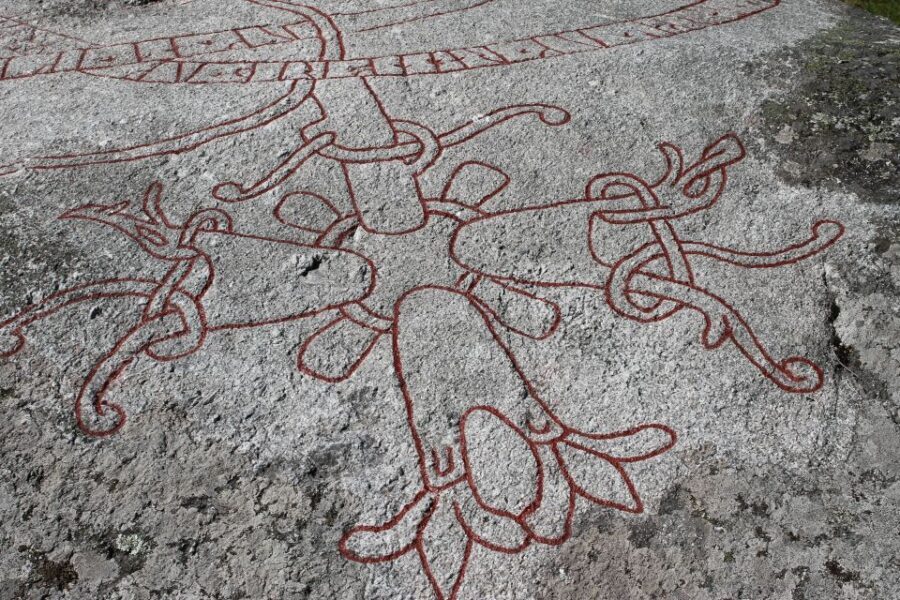
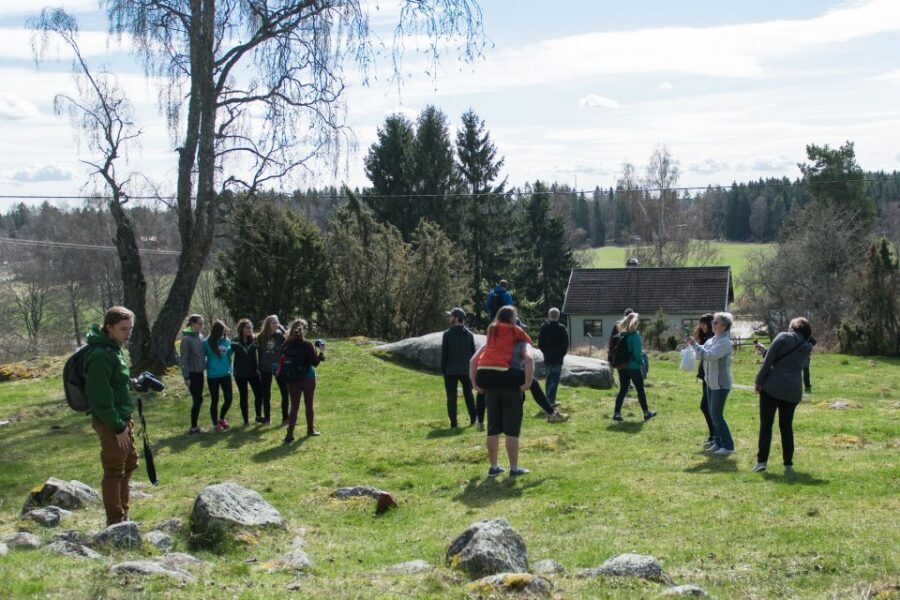
The day’s most hands-on Viking archaeology feel comes near Orkesta and Granby. Here you’ll focus on the Granby Stone and inscriptions associated with Granbyhällen runes.
This section is where the Viking story turns from “pretty stones” into something closer to detective work. Runic texts can feel intimidating at first, but the guide’s job is to help you see patterns and meaning—so instead of staring at lines, you start understanding what those lines are trying to say.
You’ll also get to explore the best-preserved Viking house foundations at Granby. That’s a big deal. Foundations are not a full house, but they give you proportions and a sense of daily life: where people likely moved, where space was used, and what a settlement could feel like.
Timing is tight here, so don’t expect a museum-speed experience. It’s a guided walk meant to leave you with a mental picture you can carry into the rest of the day.
Hökeriet at Granby Farm: The Fika Break and Viking-Themed Shopping
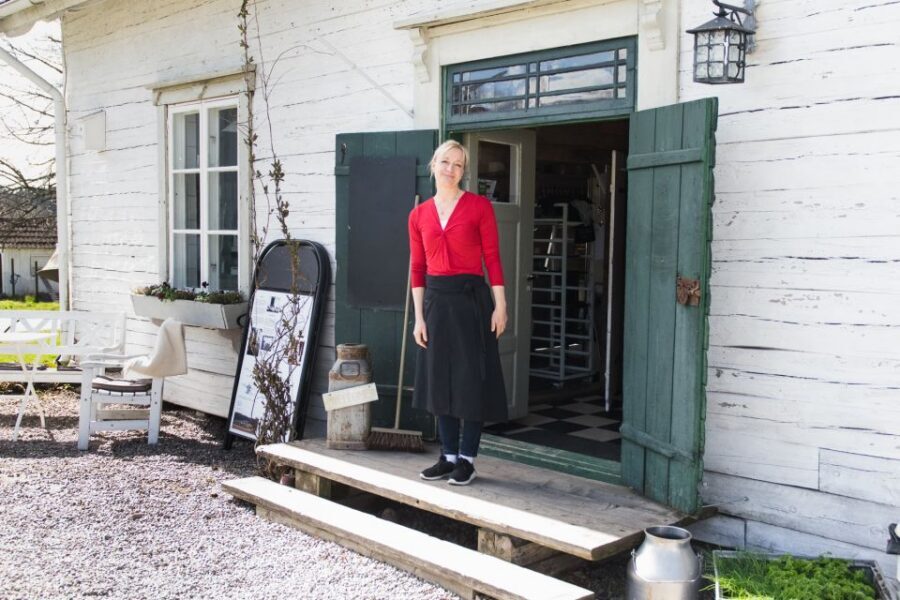
Between runes and royal mounds, you get a break at Granby Farm’s Hökeriet. This is a traditional Swedish fika, typically with coffee and time to reset your brain.
Two practical notes:
- Since meals and drinks aren’t included, treat this as your chance to pay for your own fika or snack choices.
- If you want Viking-themed souvenirs, this is one of your better chances to browse without the stress of squeezing it into the last hour in a major city.
I like this stop because it breaks up the heavier history content. After enough stone inscriptions, you start to crave normal human rhythms—warm drinks, easy conversation, and a moment to look at crafts without feeling like you’re rushing.
Sigtuna: Sweden’s Oldest Town and Cobblestones That Still Set the Pace
Then you hit Sigtuna, often described as Sweden’s oldest town, founded in AD 980. This is where the tour shifts from Viking-era relics into something closer to daily life across centuries.
You’ll walk cobblestone streets and take in lakeside views, then visit St. Mary’s Church. The town hall and church ruins are part of the mix too, so even if the ruins aren’t “complete,” they still help you read the passage of time.
You’ll also have free time in Sigtuna for sightseeing and shopping, plus the option to visit the Sigtuna Museum if you want to stay in the story a little longer. I like giving yourself that buffer here, because Sigtuna is the kind of place where it pays to wander instead of sticking to a tight checklist.
One small consideration: the free time is only about 1.5 hours, so if you’re eager to do museum time plus shopping, prioritize what matters most. Quick photo stops and the church visit are covered, but your choices shape the final feel of the day.
Uppsala and Gamla Uppsala: Cathedral Beauty and Royal Mounds at the Edge of Legend
Finally, the tour takes you to Uppsala, where history and academics meet. You’ll pass by Uppsala Cathedral, as well as botanical gardens, historic university buildings, and Uppsala Castle.
Even when you’re just passing by some of these landmarks, the effect is real: Uppsala doesn’t feel like an overflow of tourist sites. It feels like a working city with deep roots, which makes the Viking ending feel less like a themed finale and more like part of a long national timeline.
Then you go to Old Uppsala (Gamla Uppsala), home to the Royal Mounds of Gamla Uppsala—three prominent burial mounds dating to the 6th and 7th centuries. These are traditionally linked to legendary Swedish kings, and that connection is exactly why they matter. They show how memory and storytelling can become physical geography.
This last segment is where the day can feel most cinematic: stone, earth, and legend all in the same view. You’ll finish with enough time to reflect on what you saw earlier—bridge runes, assembly rules, house foundations, and church transition—because they all fit into a single arc.
Price and Value: What $255 Buys on an 8.5-Hour Day Trip
At $255 per person for about 8.5 hours, you’re paying for three things: an English-speaking guide, hotel pickup and drop-off, and transportation. What you don’t get are meals and drinks, so factor in your own fika/snacks.
Is it good value? I think so, mainly because:
- The stops span multiple towns and historical sites that are hard to chain efficiently without a car.
- The runestone and inscription-focused parts benefit a lot from a guide who can explain what you’re looking at in plain terms.
- Pickup saves time and reduces stress in central Stockholm.
If you’re comfortable driving and you want total freedom over pacing, a DIY day could look cheaper. But for most people, this kind of guided, organized route is less about saving money and more about buying back your time—and using it well.
Who This Tour Fits Best (And Who Should Rethink It)
This tour is ideal if you want:
- Runestones and inscriptions you can see in place
- Viking-era governance ideas (like assembly culture), not just battle stories
- A day trip that combines Viking sites with Swedish town history
It may feel less perfect if you’re expecting only Vikings, always Vikings, no change of topic. There’s Christianization context, church architecture, and cathedral-and-university city stops. That’s not a flaw—it’s part of Sweden’s story. But if Vikings are your single obsession, keep your expectations tuned.
Should You Book This Stockholm Sigtuna and Uppsala Viking Day Tour?
If you like history you can walk through, I’d book it. The standout for me is the balance: real inscriptions at Jarlabanke and Granby, the sense of community decision-making at Arkils Tingstad, then a finish in places like Sigtuna and Gamla Uppsala where the later layers of Swedish identity show up clearly.
One more reason: the guide experience can make or break a runestone day. In the feedback I’ve seen, guides like Urban have been praised for being friendly and for handling questions well—even while keeping the explanations going. If you want a guided day rather than a self-guided puzzle, this is exactly that.
If you’re sensitive to accents or you prefer a slower pace with more unstructured time, you might feel the schedule. Still, for an organized 8.5-hour run of Viking landmarks, it’s a strong choice.
FAQ
How long is the Stockholm: Sigtuna and Uppsala Viking History Day Tour?
The tour lasts about 8.5 hours.
Where is pickup available?
Pickup is possible from accommodations in central Stockholm.
Is there an English-speaking guide?
Yes, the live tour guide speaks English.
Are meals included?
No. Meals and drinks are not included.
What should I bring?
Wear comfortable shoes.
Are pets allowed on the tour?
No, pets are not allowed.
Is there a luggage size limit?
Large bags and luggage are not allowed.
Can I cancel and get a full refund?
Yes, you can cancel up to 24 hours in advance for a full refund.
Is there a reserve now, pay later option?
Yes. You can reserve now and pay later, paying nothing today.