REVIEW · HISTORICAL TOURS
Viking History and Swedish Countryside Tour to Sigtuna & Uppsala
Book on Viator →Operated by STOEX · Bookable on Viator
Stockholm to Sigtuna and Uppsala in one day. I like how the route links Viking law, power, and daily life to what came after, without turning into a museum slog.
What I love most is the built-in mix: runic stones and Viking-age sites plus real time in two atmospheric towns. The one real catch is the day runs about 9 hours, with plenty of standing outdoors, so plan for long stretches.
If you’re after just a quick glance, this may feel intense. One part of your day is basically stones, inscriptions, and guidance-heavy stops. And on a cold or windy day, you’ll want layers, since minivan comfort can vary.
In This Review
- Key Things to Know Before You Go
- Viking History Day Trip: A Smart Route Out of Stockholm
- Täby Church and Jarlabanke’s Bridge: Viking Age in the Stockholm Suburbs
- Arkils Tingstad and Lake Vallentuna: Where Viking Decisions Were Made
- Granby, Granbyhällen, and Orkesta’s Longhouse Foundations
- Hökeriet and Swedish Fika: Lunch-Adjacent, Cozy, and Practical
- Sigtuna: Sweden’s Oldest Town and a Lake Mälaren Walk
- Uppsala Cathedral and Old Uppsala: Kings, Burial Mounds, and Gothic Spires
- Timing, Comfort, and Phone Battery: How to Enjoy the Full 9 Hours
- Price and Value: What $274.19 Buys You (and What It Doesn’t)
- Should You Book This Viking History and Swedish Countryside Tour?
- FAQ
- How long is the Viking History and Swedish Countryside Tour?
- What is included in the price, and what is not?
- Do I get hotel pickup in Stockholm?
- Is the tour offered in English?
- How large is the group?
- Is there time to explore Sigtuna and Uppsala on my own?
- Is this tour suitable for kids?
Key Things to Know Before You Go
- Viking parliament to burial mounds: You’ll see the legal and royal sides of the Viking world, not just one type of site.
- Granby and its longhouse foundations: This is where Viking history shifts from symbols into everyday life.
- Fika-style break at a provision shop: Expect a cozy stop where Viking-themed souvenir browsing can happen too.
- Sigtuna’s old-town walk: You get enough time to stroll Lake Mälaren’s oldest-town streets and browse.
- Uppsala Cathedral plus Old Uppsala: You’re pairing medieval Gothic architecture with royal-era burial mounds.
Viking History Day Trip: A Smart Route Out of Stockholm
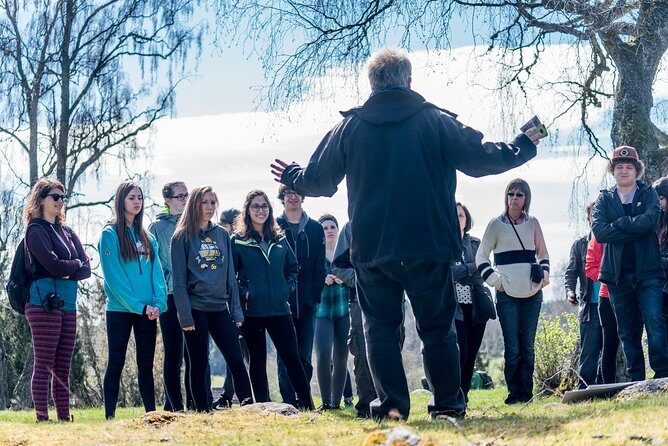
This is a full-day guided loop built to answer a simple question: how did Sweden go from Viking power to medieval Christianity? The day starts in the Stockholm area, then steadily pushes outward into countryside towns and major historical sites around Uppsala.
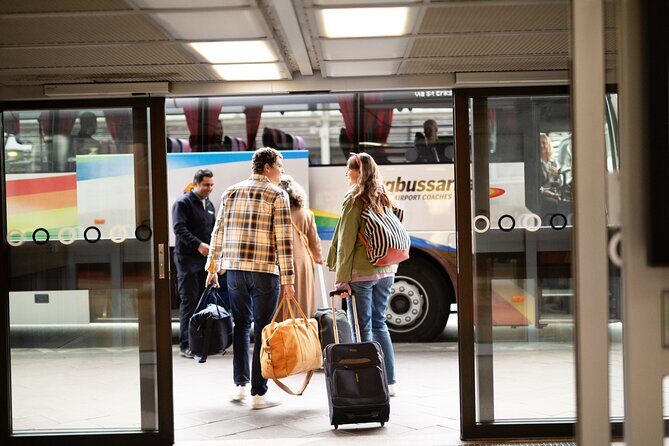
You’re traveling by air-conditioned minibus with hotel pickup and drop-off in central Stockholm. That matters because you’re not trying to figure out transit between scattered archaeological spots and old-town centers. You’re also not doing this at your own pace, which is good news if you want your history served with context instead of random signage.
You should know the trip is history-forward. If you want mostly scenery time and light chat, this won’t be the best fit. But if you enjoy learning why these stones, bridges, and mounds mattered, this day has a satisfying flow.
Other Viking history tours from Stockholm


Täby Church and Jarlabanke’s Bridge: Viking Age in the Stockholm Suburbs
The first stops stay close to Stockholm, which is handy. After pickup, you get a quick drive-by look at Täby Church (Täby kyrka), a 13th-century church with Romanesque and Gothic architectural touches. Even from a distance, it signals how the region moved from Viking-era power into later Christian structures.
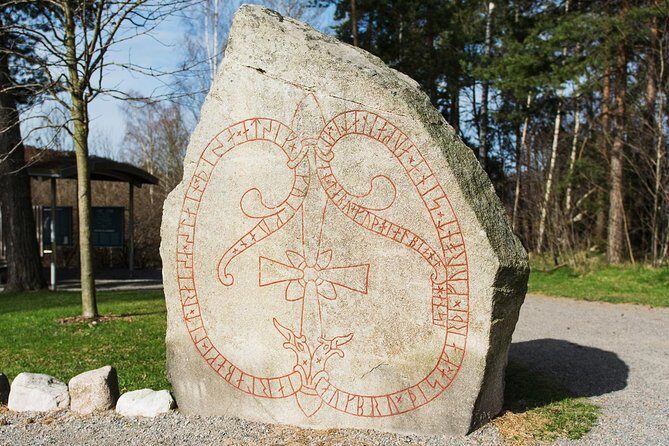
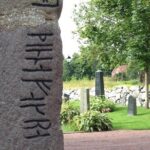
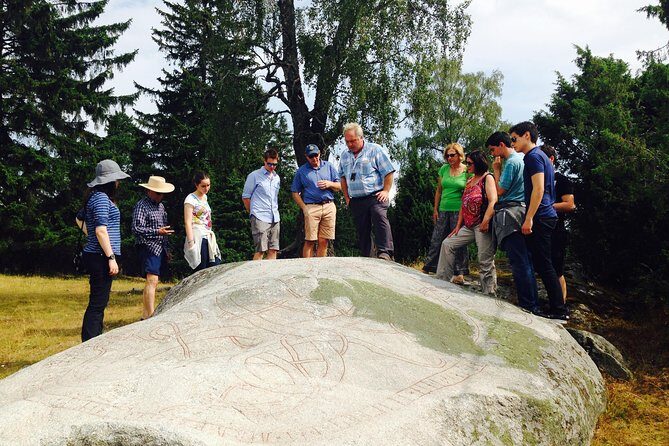
Then you hit one of the more specific Viking-age stories: Jarlabanke’s Bridge, tied to a named chieftain. This is an 11th-century bridge site, and it comes with runestone inscriptions naming Jarlabanke and his family. What I’d pay attention to here is the why: the bridge isn’t just infrastructure. It’s tied to memory and status, and the inscriptions help explain the message behind the work.
Practical tip: this is a stop where good footwear helps. You’ll be standing around the site while the guide paints the background, and it’s easier if your feet are happy.
Arkils Tingstad and Lake Vallentuna: Where Viking Decisions Were Made
Next comes one of the most “how did they govern?” stops on the whole day: Arkils tingstad, also called Arkil’s Assembly Site. This is described as a Viking-age gathering place where communities met to resolve disputes, make decisions, and enact laws.
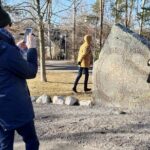
The key detail is the stone layout: stones arranged in a square pattern, possibly used to structure how people sat or gathered. That physical arrangement makes the idea feel real. Instead of picturing Vikings arguing in a vague way, you’re standing at a site built for assembly—then the guide connects it to the legal and administrative side of the era.
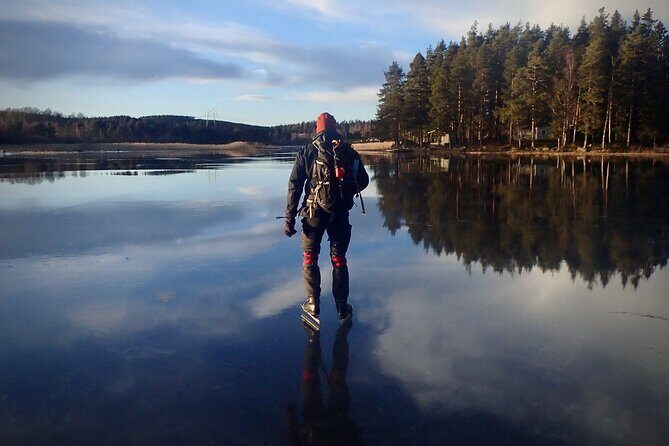
You also spend time near Lake Vallentuna. Even though this isn’t the main “Viking story” stop, it’s a nice pacing change. The lake sits amid forests and calmer views, which helps break up the more intense stone-focused stops.
If the weather is rough, you may want a hat and a rain shell. You’re outside here, and the day’s history doesn’t pause just because it’s gray.
Granby, Granbyhällen, and Orkesta’s Longhouse Foundations
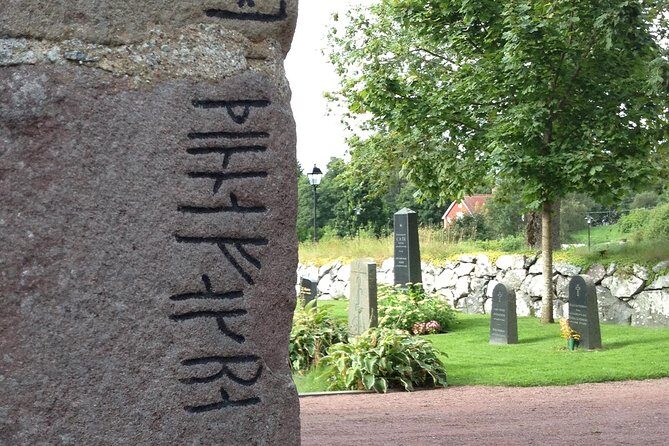
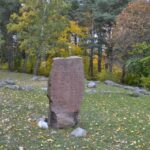
Now you move into a stop that’s more about reading and imagining life than just spotting monuments. At Granbyhällen (the Granby rune stone), you’ll see one of the longer Viking-age texts. The wording is described as informative enough that it can function like an inheritance-style record tied to the Granby family.
This is the kind of stop where a good guide can make a huge difference. The stone’s power isn’t just that it’s old—it’s that it’s detailed. You’re learning how runes were used for more than decoration, and that changes the way you look at every other runestone you’ll see on the day.
Then you step into something even more hands-on: Granby’s well-preserved Viking house foundations. The idea is simple and brilliant for your understanding. Instead of only hearing about Vikings as warriors or kings, you learn about where they lived—longhouse walls and the physical footprint of daily life around a family center.
You get a short block of time here (brief, but focused), so bring patience. This is a “watch, listen, and look closely” stop rather than a quick photo-and-go.
Hökeriet and Swedish Fika: Lunch-Adjacent, Cozy, and Practical
At Hökeriet, you’re in a provision-shop concept—small shops for food items and household goods. This stop is also where you may find a Swedish fika (coffee and something sweet), plus the chance to browse Viking-related souvenirs and regional crafts.
A quick reality check: lunch is not included. You’ll have a lunch break where you can buy your own meal at a local eatery. That gives you flexibility (and avoids wasting time figuring out dietary needs with a single set menu), but it does mean you should plan for spending extra and bringing snacks if you get hungry.
One thing I like about this setup: you’re not stuck in a tourist cafeteria at mid-day. This stop is more “countryside rhythm,” even if you keep moving with the group.
Small but useful planning tip: bring a bottle of water. The day includes lots of standing and talking, and some guests have noted it can get warm or chilly depending on conditions.
Other Sigtuna day trips from Stockholm



Sigtuna: Sweden’s Oldest Town and a Lake Mälaren Walk
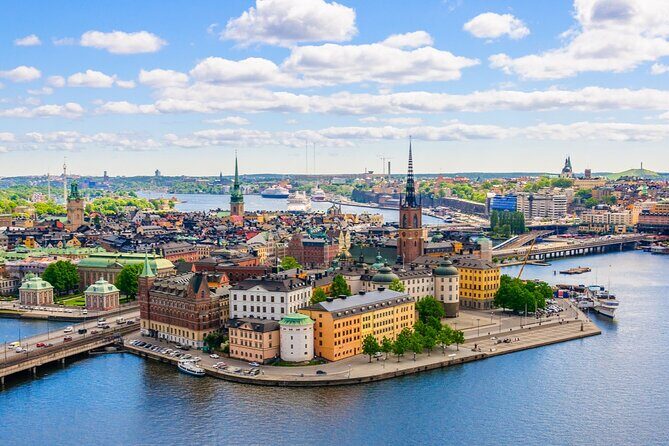
Then you get the town experience: Sigtuna, founded around AD 980, on Lake Mälaren. The day gives you about 1 hour here, which is enough for a real wander without turning it into a half-day detour.
You’ll stroll cobblestone streets lined with older wooden and stone buildings. You’ll also have time to notice St. Mary’s Church, which shows the medieval layer of the story that followed the Viking era.
What I’d recommend you do with your hour:
- Take a slow loop first, so you understand how the town sits along the water.
- Save shopping for last, after you’ve got your bearings.
- If you’re into photos, try to spend a few minutes just watching how the light hits the waterfront.
Sigtuna can feel calm compared to Stockholm, and that contrast is part of the value. After runestones and mounds, you get human-scale streets again—shops, gardens, and the steady pace of a lakeside old town.
Uppsala Cathedral and Old Uppsala: Kings, Burial Mounds, and Gothic Spires
The day’s “big history” climax happens in Uppsala.
First comes Gamla Uppsala (the Royal Mounds). You’re looking at three burial mounds dating to the 6th and 7th centuries, tied in tradition to legendary Swedish kings. The guide points out named mounds such as Aun, Egil, and Adils, and you’ll hear about excavated grave goods like weapons and jewelry.
This is a powerful shift from earlier assembly and daily-life sites. Here, you’re standing in a landscape of royal status—material culture that tells you who mattered and what they were laid beside.
Then it’s Uppsala Cathedral (Uppsala Domkyrka), a striking medieval Gothic complex. The stop includes a look at its soaring spires, stained glass, and vaulted interior. The cathedral also has Lutheran significance, including the tomb of Swedish Reformation king Gustav Vasa. If you want a bit of a view payoff, the cathedral experience can include the option to climb the bell tower for panoramas (where available).
What ties this part together is the theme: Viking-era power becomes medieval church authority, but both leave major physical footprints. The cathedral gives you the Christian-era “center stage,” while Gamla Uppsala reminds you what came before.
Timing, Comfort, and Phone Battery: How to Enjoy the Full 9 Hours
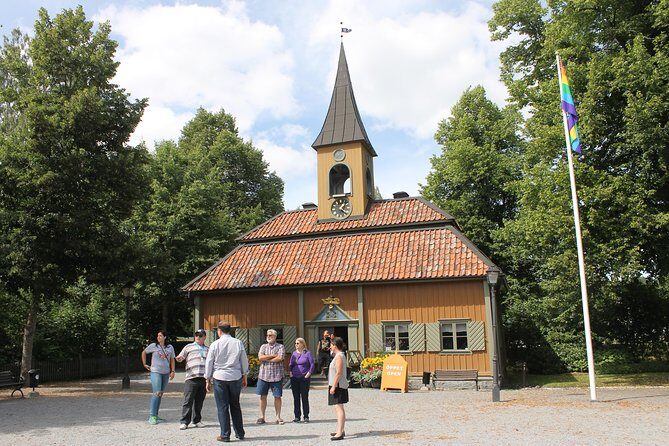
This tour is close to a full workday. Even when everything runs on time, it feels long because you’re mixing driving time, outdoor standing, and guided talking. Reviews point out that it can feel like a lot of history if you’re not in the mood for it, so set expectations: this is not a quick sampler.
Comfort issues to plan for:
- Dress for the outdoors: several stops involve standing outside, and weather can change fast around Stockholm and Uppsala.
- Bring good shoes: you’ll walk some, especially in Sigtuna and around the open-air sites.
- Plan for cold van conditions: one guest noted it stayed chilly during a cloudy, windy day. Layers help.
- Keep your phone charged: one guest reported there were no charging ports. I’d treat charging as not guaranteed and keep your battery topped up before you leave.
Group size is capped at 17. In practice, that can mean quicker stops and more chances to hear the guide, without turning into a huge bus crowd.
Audio also comes up in feedback. Several guests praised the audio setup (like in-ear devices/headsets), which helps a lot when the guide is narrating while you’re moving between sites.
Price and Value: What $274.19 Buys You (and What It Doesn’t)
At $274.19 per person, you’re paying for a guided history day plus the convenience of transport and pickup. What’s included:
- Hotel pickup and drop-off within the central Stockholm pickup area
- Air-conditioned minibus transport
- A professional guide
- Mobile ticket
What’s not included:
- Food and drinks (you’ll buy lunch and fika items if they’re not covered at your stop)
So is it good value? For me, it depends on what you want out of the day. If you’re trying to self-drive or self-navigate between multiple Viking and medieval sites, you lose time and you miss the interpretation that makes rune stones, assembly layouts, and burial mounds meaningful.
This day also has a lot of “free-to-enter” site stops listed in the schedule, which helps your cost feel more like guiding and logistics rather than ticket fees stacked on top. The value really lands when you want context and don’t want to spend your time routing and parking.
Should You Book This Viking History and Swedish Countryside Tour?
Book it if:
- You want a guided Viking-to-medieval timeline in one day.
- Runestones, burial mounds, and the Viking parliament idea sound like your kind of history.
- You like small-group touring around Sigtuna and Uppsala, not just staying in Stockholm.
Skip it (or choose a different tour) if:
- You want lots of “freedom time” with minimal history lectures.
- You get tired quickly from standing outdoors and lots of talking at exterior sites.
- You’re traveling with a child under 8, since it’s not recommended for that age group.
One last booking tip: if you’re sensitive to long days, plan snacks, water, and layers before you go. Then settle in for the best parts: the named Viking sites (like Arkils tingstad and Jarlabanke’s Bridge), the Granby rune text moment, and the Uppsala contrast between mounds and cathedral.
FAQ
How long is the Viking History and Swedish Countryside Tour?
It runs for about 9 hours.
What is included in the price, and what is not?
Included are hotel pickup and drop-off (within the central pickup area), transport by air-conditioned minibus, and a professional guide. Food and drinks are not included.
Do I get hotel pickup in Stockholm?
Yes, pickup is offered in central Stockholm within the general pickup area. You’ll need to enter a cell phone number so the operator can confirm your final pickup time 1–2 days before.
Is the tour offered in English?
Yes, it is offered in English.
How large is the group?
The tour has a maximum of 17 travelers.
Is there time to explore Sigtuna and Uppsala on my own?
You’ll have time in Sigtuna (about 1 hour) to stroll and browse. In new Uppsala, the schedule includes relaxed independent exploration time after the cathedral stop.
Is this tour suitable for kids?
It is not recommended for children under 8 years old.