REVIEW · GAMLA STAN & OLD TOWN TOURS
Walking Tour of Stockholm’s Old Town, Gamla Stan
Book on Viator →Operated by NORDIC FREEDOM TOURS · Bookable on Viator
Gamla Stan rewards slow footsteps. This 2-hour Stockholm Old Town walking tour is interesting because you get a tight route through the real, lived-in heart of the city, with guides who turn small details into stories. I especially love the small-stop focus (Järnpojken to Storkyrkan) and the low price for a guided, high-impact loop run by Nordic Freedom Tours.
One thing to watch: this is mostly outdoors on cobblestones, with limited places to sit. If you’re doing it in winter or on a windy day near the water, wear layers (hand warmers are a smart idea), and plan for standing and gentle hills.
In This Review
- Key highlights
- Walking Gamla Stan Starts at Mälartorget 4
- Järnpojken: The Tiny Statue That Makes You Look Up
- Riddarholm Church: A Burial Church with Monarch-Level Presence
- Prästgatan to Mynttorget: Street Beauty and Square Life
- Tyska Brunnen: The German Well with 17th-Century Roots
- St. Gertrud’s Church: Medieval Details You Can Actually See
- Marten Trotzigs Gränd: A 90 cm Moment
- Nobel Museum and Stortorget: Ideas Meet Medieval Squares
- Storkyrkan and the Royal Palace Finish: Worship and Power
- Finska Kyrkan: A Quick Baroque Pause for the Finnish Community
- What You’re Really Paying For: Value at $13.30
- How to Prepare: Shoes, Weather, and Timing
- Should You Book Nordic Freedom Tours for Gamla Stan?
- FAQ
- How long is the Walking Tour of Stockholm’s Old Town (Gamla Stan)?
- What does the tour cost?
- Where does the tour start and where does it end?
- Is the tour in English?
- What’s included in the tour price?
- Do I need to pay tips?
- What group size should I expect?
- Does the tour run in any weather?
- How far in advance is this tour usually booked?
- FAQ
- Are service animals allowed?
- What is the cancellation policy?
Key highlights
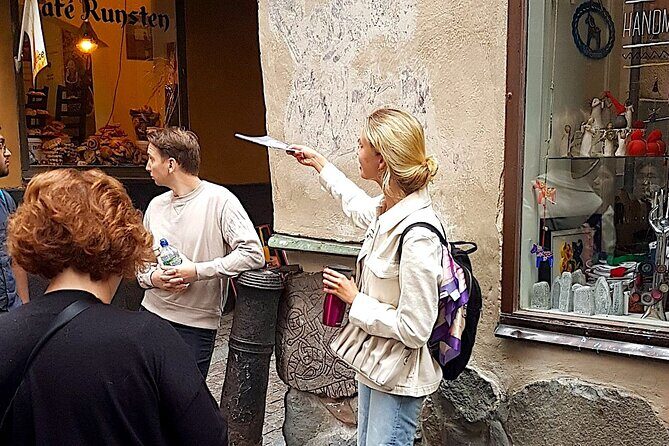
- Järnpojken’s lucky head: a tiny bronze “Iron Boy” statue you’ll actually notice up close
- Two major church stops: Riddarholm Church and St. Nicholas Cathedral (Storkyrkan) in the same walking flow
- Marten Trotzigs Gränd: Europe’s narrowest alleyway, only about 90 cm wide
- Nobel Museum and Stortorget: a fun contrast between ideas (Nobel) and medieval square life (Stortorget)
- Ends by the Royal Palace: you finish in a convenient spot for museums and wandering afterward
Walking Gamla Stan Starts at Mälartorget 4
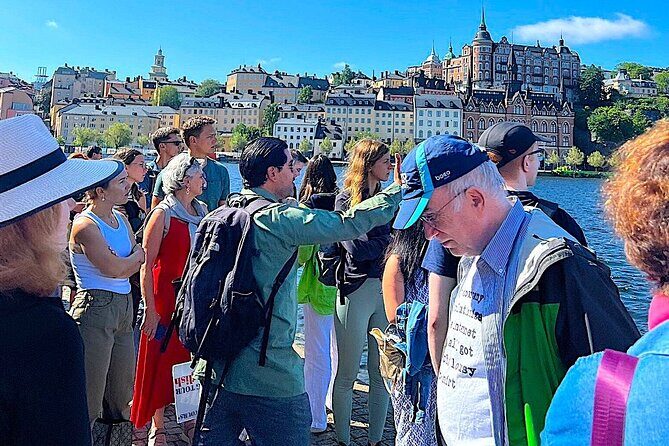
Your tour begins at Mälartorget 4 (near public transit), which is a good “Old Town” starting point. From there, you’ll head into Gamla Stan’s maze-like streets where the city feels older at every corner.
You’re out with a real guide, and the tour is designed for a group size of up to 25. That matters more than it sounds. A smaller group keeps the pace human and makes it easier to hear your guide’s stories as you move between stops.
Other Gamla Stan and Old Town tours in Stockholm
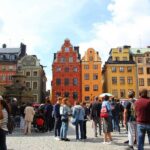
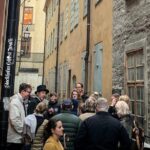

Järnpojken: The Tiny Statue That Makes You Look Up
The first stop is Järnpojken, Stockholm’s smallest public statue. It’s a small bronze figure nicknamed the Iron Boy, often remembered as the Boy looking at the moon. The fun part is that it’s not behind a barrier or off to the side—you can get right in and see it clearly.
It’s also the kind of stop that helps you understand how Gamla Stan works: the area is full of landmarks that are visually small, but meaning-heavy. You’ll spend about 15 minutes here, and it’s worth slowing down rather than treating it like a quick photo.
What I like about this opening is that it sets the tone. After Järnpojken, you start noticing shapes, materials, and street layouts that you might miss if you were just passing through on your own.
Riddarholm Church: A Burial Church with Monarch-Level Presence

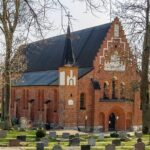
Next comes Riddarholm Church on Riddarholmen Island, a historic burial church strongly tied to Swedish royalty. The building’s medieval architecture helps you feel the scale of time here. Even if you don’t know church history in advance, you’ll still get the sense of how long this place has mattered.
You’ll usually get around 15 minutes at this stop. That’s enough time to look at the church itself and then absorb your guide’s explanation of why the island and the church became such an important endpoint for Swedish monarchs.
A practical note: church interiors can vary in lighting. If you want good photos, wait for a moment when the light hits the stone well, then take a few slow frames instead of snapping constantly while walking.
Prästgatan to Mynttorget: Street Beauty and Square Life
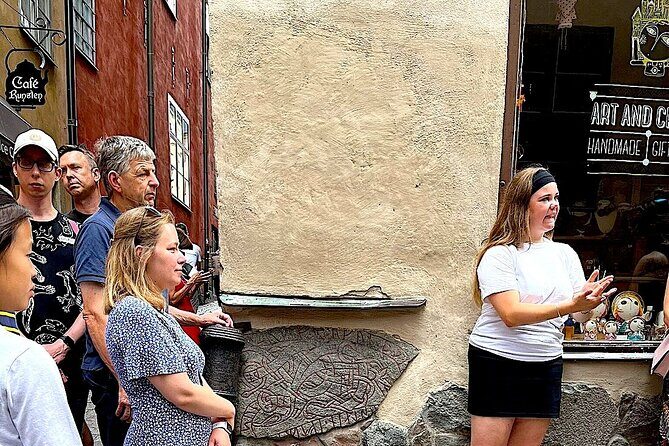
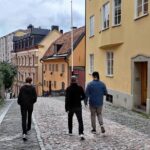
After the churches, the tour shifts into the “walk-and-feel-it” zone with Prästgatan. This narrow cobblestone street is the classic Gamla Stan postcard, lined with colorful buildings and cozy spots. You’ll get about 15 minutes here, which is just enough time to spot the details without the tour turning into a shopping detour.
Then you’ll reach Mynttorget, a historic square that’s close to the Royal Palace area. You get another roughly 15 minutes, and your guide uses this pause to explain how squares function in older cities: they’re meeting points, markets, and story backdrops all at once.
This is where I find a guided tour pays off. The route isn’t only pretty—it helps you connect what you see (street shape, square layout) with how people likely used these spaces day after day.
Tyska Brunnen: The German Well with 17th-Century Roots
One of the more memorable stops is Tyska Brunnen (the German well), a historic well in the Old Town tied to the 17th century. It might sound like a niche detail, but wells like this were practical infrastructure in medieval city life, and your guide should bring that context to the forefront.
You’ll have about 10 minutes here. The trick is not to overthink it. Let the guide’s explanation anchor the object, then look around. City corners and water spots tend to shape street routes and daily habits, so it helps your overall understanding of Gamla Stan.
If you enjoy architecture that’s not just churches and palaces, this stop is a good payoff.
Other walking tours we've reviewed in Stockholm



St. Gertrud’s Church: Medieval Details You Can Actually See
Next is St. Gertrud’s Church (S:ta Gertrud), with origins dating to the 1300s. This is one of those places where the age shows in the structure. You’ll likely spend around 15 minutes, which is long enough to focus on the parts your guide highlights instead of wandering aimlessly.
What I like here is the way medieval churches act like time capsules. Even if your Swedish history is limited, you can still connect the building’s physical features to the long continuity of religious and civic life in Stockholm.
Also, church stops help balance the walk. You get brief breaks to stand, look, and reset your brain before the tour tightens into the narrowest streets and most compact sights.
Marten Trotzigs Gränd: A 90 cm Moment
Then you hit Marten Trotzigs Gränd, often described as Europe’s narrowest alleyway. The width is about 90 cm, which is hard to picture until you’re standing at it.
You’ll usually get about 10 minutes here. The best way to enjoy it is to stop framing it like a “sight” and instead treat it like a test of scale. Stand at one end, then look through to the other. It’s a quick lesson in how medieval streets were built for function—while modern visitors experience the surprise.
If your group is slow-walking, this stop can feel extra fun because everyone ends up stopping naturally, laughing, and taking their time.
Nobel Museum and Stortorget: Ideas Meet Medieval Squares
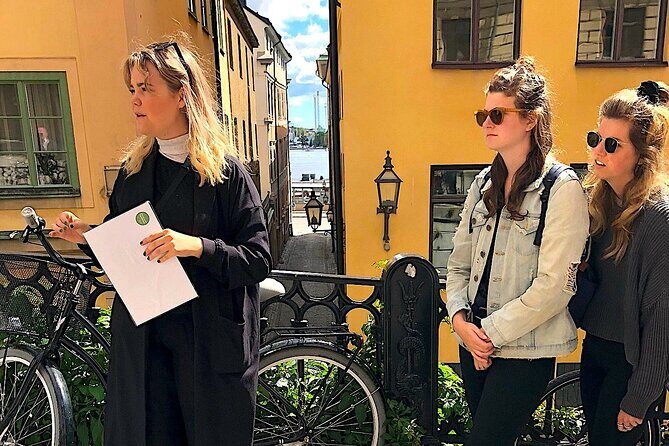
At some point in the route, you’ll also pass through the area of the Nobel Museum, which showcases the Nobel Prize and laureates. The museum was established in 2001, and it occupies a building dating back to the 18th century. That time jump is the point: Stockholm isn’t only medieval stone and royal power. It also celebrates modern-world ideas.
From there, you’ll spend time at Stortorget, a historic square dating back to the 13th century. You’ll likely get about 15 minutes here. With your guide, this stop becomes more than a photo spot—you learn how places like Stortorget helped shape everyday life in the old city.
This pairing is clever because it gives you contrast. Nobel Museum points toward the international legacy of modern thinking, while Stortorget reminds you what public life looked like centuries earlier.
Storkyrkan and the Royal Palace Finish: Worship and Power
One of the most important stops is St. Nicholas Cathedral, also called Storkyrkan, considered the oldest church in Stockholm’s Old Town. It was originally built in the 13th century and blends Gothic and Baroque styles. You’ll have about 10 minutes here.
From there, your tour concludes near the Royal Palace (Kungliga slottet). The Royal Palace is the Swedish monarch’s official residence and the tour ends nearby so you can keep wandering. The palace is huge—over 600 rooms—and even if you don’t go inside, the setting alone helps you understand why Gamla Stan is still the center of Stockholm’s identity.
This finish location is practical. You can extend your day with nearby museums and walking loops right after the 2-hour mark, without needing extra transit planning.
Finska Kyrkan: A Quick Baroque Pause for the Finnish Community
The tour may also include a stop at Finska Kyrkan (Finnish Church) in Old Town Stockholm. It was constructed in the 17th century, specifically in 1725, and it serves the Finnish-speaking community. It’s known for its baroque architecture and is a neat example of how different cultural threads show up in the same historic district.
You’ll get about 15 minutes at this stop. If you enjoy the way cities layer communities over time, this is a satisfying addition. It keeps the tour from feeling like it’s only about royalty and church architecture.
What You’re Really Paying For: Value at $13.30
At $13.30 per person for about 2 hours, this is one of those Stockholm tours that feels like a bargain once you think about what’s included. You’re not just buying access to sights. You’re buying interpretation: why the street bends, why a well matters, why a square became a stage for city life.
And the guide is personalized for the group. That usually means better questions, more responsiveness, and fewer dead moments where nobody knows what to do next.
One detail that makes value feel real: the stops listed for admissions are shown as free. That means your money goes mostly into the guide experience and not into constantly paying small entrance fees along the route.
How to Prepare: Shoes, Weather, and Timing
This is a walking tour through a compact historic district, but it’s not a flat stroll. Expect cobblestones, occasional hills, and lots of time on your feet. In winter, dress like you’re going to be outside longer than you think. Caroline’s suggestion of hand warmers is spot-on.
Also, there are few places to sit along the way. If you need mobility breaks, plan to take short pauses between stops rather than expecting long seating time.
The good news: the route is timed in bite-sized chunks. Most stops run about 10–15 minutes, so you’re never stuck staring at one location for too long.
Should You Book Nordic Freedom Tours for Gamla Stan?
I’d book this tour if you want a smart orientation to Stockholm’s Old Town without spending a whole day bouncing between scattered sights. It’s ideal when you’re short on time, new to the city, or want a guide to help you connect tiny details (like Järnpojken and Tyska Brunnen) to the bigger picture.
Skip it only if you strongly dislike outdoor walking on cobblestones or you need frequent seating. Otherwise, it’s a great way to see Gamla Stan with structure, energy, and good storytelling. And if you’re lucky enough to get guides like Ben, Marta, Helena, or Märta, you’ll likely find the tour is lively, funny, and packed with practical recommendations afterward.
FAQ
How long is the Walking Tour of Stockholm’s Old Town (Gamla Stan)?
It’s about 2 hours.
What does the tour cost?
The price is $13.30 per person.
Where does the tour start and where does it end?
It starts at Mälartorget 4, 111 27 Stockholm, and typically ends near the Royal Palace (Kungliga slottet), 107 70 Stockholm.
Is the tour in English?
Yes, it’s offered in English.
What’s included in the tour price?
The guide is personalized for the group. A mobile ticket is provided.
Do I need to pay tips?
Tips are not included.
What group size should I expect?
The tour has a maximum of 25 travelers.
Does the tour run in any weather?
It requires good weather. If it’s canceled due to poor weather, you’ll be offered a different date or a full refund.
How far in advance is this tour usually booked?
On average, it’s booked 16 days in advance.
FAQ
Are service animals allowed?
Yes, service animals are allowed.
What is the cancellation policy?
You can cancel up to 24 hours in advance for a full refund. If you cancel less than 24 hours before the start time, you won’t get a refund.