REVIEW · BIKE & E-BIKE TOURS
Stockholm’s Urban Treasures Private Bike Tour
Book on Viator →Operated by OURWAY Tours - Stockholm · Bookable on Viator
Gliding through Stockholm is the easy part. This private bike tour is a smart way to see major sights fast, without fighting traffic, because you’ll roll along bike lanes with a guide who can shape the stops around your interests.
I especially like the private, no-rush attention and the fact that the route connects neighborhoods by crossing water and bridges, so you get real geography lessons along the way. Another plus: the guided cycling safety briefing keeps you from guessing about local bike rules before you start.
One thing to plan for: entry tickets for big interior stops like Stockholm City Hall and the Royal Palace are not included, and you’ll also encounter some cobblestones and a few hills.
In This Review
- Key highlights that make this tour worth it
- Stockholm by bike: why the safety briefing is not a small detail
- Price and value: what $420.19 per person really buys
- Where it starts (and why returning to the same spot helps)
- Stop-by-stop: how the route builds Stockholm’s story fast
- Dramaten (Royal Dramatic Theatre): Art Nouveau meets Swedish stage culture
- Kungsträdgården (Kungsan): the meeting point with seasonal personality
- Kungsholmen and the City Hall exterior: skyline lessons from Lake Mälaren
- Rålambshovsparken: why Stockholm keeps parks close to people
- The Western Bridge: the marathon route that turns transit into spectacle
- Reimersholme and alcohol history: a small island with a big story
- Långholmen: green recreation and the prison museum option
- Södermalm: from working-class roots to trendy neighborhoods
- Skinnarviksberget: the highest central viewpoint for water-and-city photos
- Mariatorget and ABBA-era pop culture landmarks
- Slussen: the lock concept and water-level geography
- Gamla Stan energy: Stortorget and the Royal Palace without the chaos
- Stortorget: Stockholm’s main Old Town square
- Royal Palace: official residence with a unique working-monarchy feel
- The guide: where the tour quality actually shows up
- Riding reality check: hills, cobblestones, and weather
- Fika and timing: where to slot a coffee break
- Great for first-time visitors, especially if you hate guesswork
- Should you book this private bike tour?
- FAQ
- How long is the Stockholm’s Urban Treasures Private Bike Tour?
- Where do we meet and where does the tour end?
- Is this tour private or shared with other groups?
- Is the tour offered in English?
- Does the price include bike rental and a helmet?
- Are coffee and pastries included (fika)?
- Are admission tickets included for major stops like City Hall and the Royal Palace?
- What should I know about weather and riding difficulty?
Key highlights that make this tour worth it
- Private guide + customization so you can lean toward history, architecture, food stops, or photo breaks
- Cycling-friendly Stockholm with plentiful bike lanes, plus a short safety talk before you set off
- Gamla Stan orientation with Stortorget and the Royal Palace area handled efficiently
- City views built into the route from City Hall viewpoints, bridges, and higher points like Skinnarviksberget
- Island-to-island variety across Kungsholmen, Södermalm, and smaller islands with parks mixed in
- Top guide energy shows in feedback with guides like Katla, Alain, Katrina, and Lisa praised for pace and comfort
Stockholm by bike: why the safety briefing is not a small detail
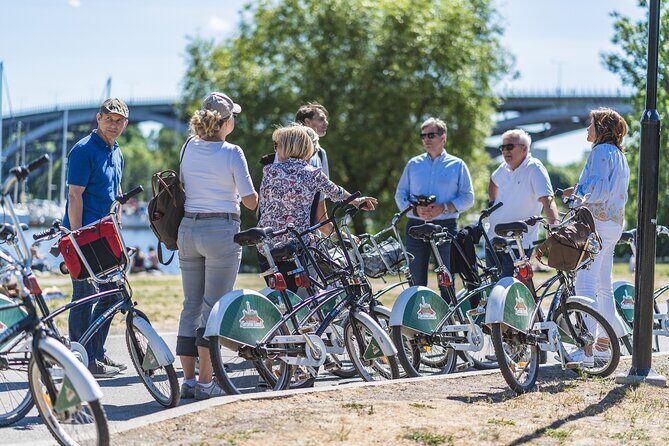
Stockholm is one of those cities where biking feels normal, not risky. The big reason is practical: there are lots of bike lanes, and people expect cyclists. Still, each city has its own rhythm—signals, crossings, and right-of-way habits—so I like that you start with a short safety briefing about local cycling laws before you move.
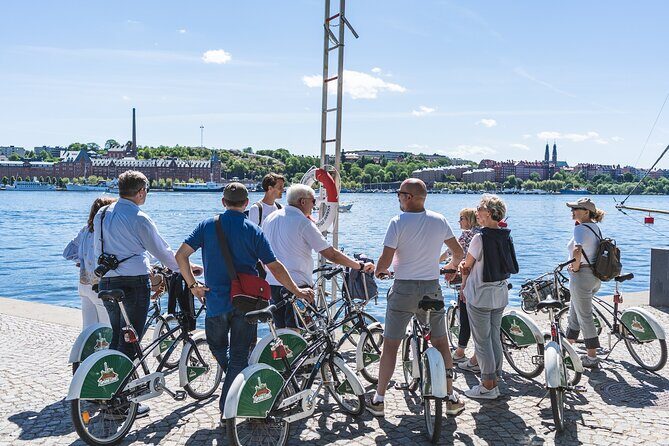
This tour also gets the timing right. Instead of dumping you into the street and hoping for the best, your guide sets you up with helmets, confirms you’re comfortable riding, and then guides you at a leisurely pace. That means you can watch where you’re going and still listen to the story.
And yes, Stockholm can be windy and changeable. The tour runs in all weather conditions, so you’ll want to dress for that reality. Comfort matters more than fashion here, because you’ll be on the bike the whole time.
Other private and hidden-gems tours in Stockholm


Price and value: what $420.19 per person really buys
At $420.19 per person for about 3 hours, this isn’t the cheapest way to see Stockholm. But you are buying something specific: a private guide plus bike rental (and optional helmet). In a city where getting the “right order” of neighborhoods can save hours, that guide-led route often pays off.
Here’s how I think about value:
- You’re paying for time and confidence, not just transportation. A guide keeps you moving efficiently between major sights, bridges, and Old Town, while still letting you stop for photos.
- You’re paying for flexibility. Because it’s private, you can tell the guide what you care about and adjust the emphasis. That’s hard to replicate on a generic group bus tour.
- You’re not paying for every admission. Stockholm City Hall and the Royal Palace areas have entry costs not included, so you may want to decide in advance which interiors you care about.
Also note that group discounts are available. If you’re traveling with a couple of people who can share the private experience, the value can feel a lot better than paying solo.
Where it starts (and why returning to the same spot helps)
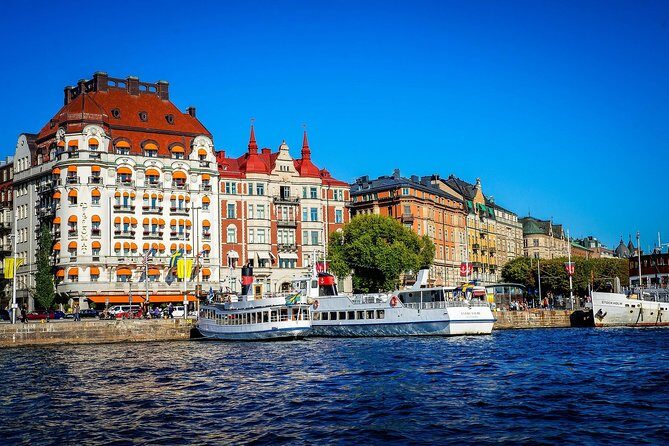
You meet at Rent a Bike, Strandvägen 18 (114 56 Stockholm) and you end back at the same place. That sounds basic, but it’s a big convenience: you don’t need to plan how to get back to a different neighborhood, and you don’t lose time to transport.
It’s also close to public transportation, which matters if you’re mixing this tour with museum days later. If you’re doing this as your first big activity, being able to return to the start point is a practical advantage.
Stop-by-stop: how the route builds Stockholm’s story fast
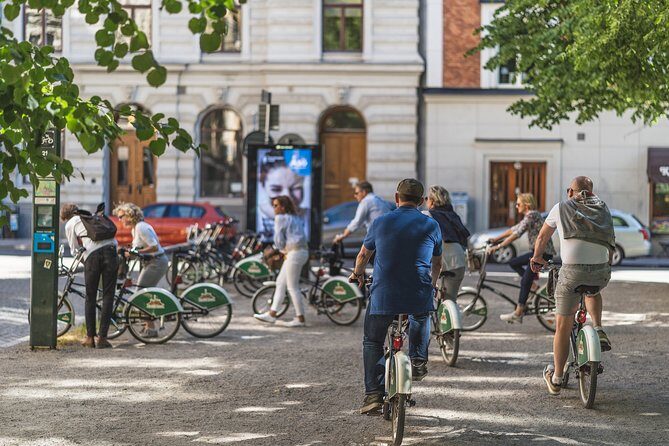
Dramaten (Royal Dramatic Theatre): Art Nouveau meets Swedish stage culture
Your first stop is Kungliga Dramatiska Teatern (Dramaten), known locally as Dramaten. This national stage for spoken drama has been here since the early 1900s, and the building is in an Art Nouveau style.
Why it’s a good opener: it sets the tone for Stockholm as a city of culture, not just postcard views. You also get an easy photo moment without starting with something that requires a long walk.
A quick note: the stop time is short and the attraction ticket is free for this view, so it functions mainly as orientation and atmosphere.
Other bike and e-bike tours in Stockholm


Kungsträdgården (Kungsan): the meeting point with seasonal personality
Next is Kungsträdgården, often called Kungsan. It’s one of Stockholm’s main meeting points, with roots going back to the 1400s. Today, the garden changes with the year: summer concerts and festivals, winter ice skating, spring cherry blossoms, and autumn leaves.
This stop works because it breaks up the riding with a “feel the city” moment. You’ll also start noticing how Stockholm plans public space—places people use constantly, not only during peak tourist season.
Kungsholmen and the City Hall exterior: skyline lessons from Lake Mälaren
Then you move to Kungsholmen, literally Kings Island. The name dates to the late 1600s, and today it’s known as the younger part of town with a lot of single households.
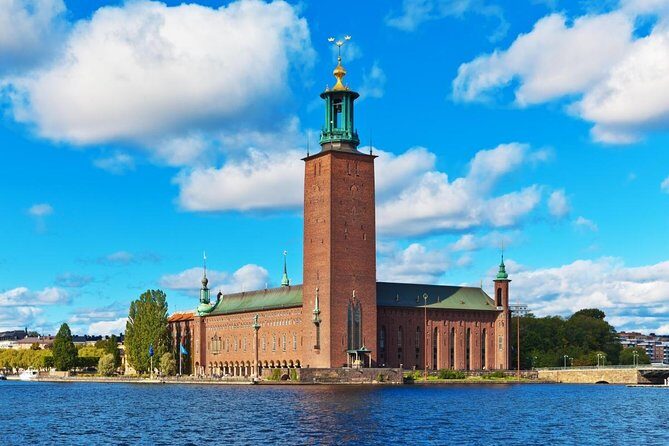
Right after that you reach Stockholm City Hall (Stadshuset), one of Sweden’s best-known buildings. It’s built in the national romantic style and topped with three golden crowns overlooking Lake Mälaren.
This is where you’ll feel the route pay off. Riding up to a landmark like this gives you context: you’re seeing how the city spreads across water and islands, and you get that skyline perspective without needing to guess where to stand.
Ticket note: City Hall entry is not included, so treat this as a exterior-and-area experience unless you plan to add entry separately.
Rålambshovsparken: why Stockholm keeps parks close to people
A quick ride brings you to Rålambshovsparken. This park exists because Stockholm planners pushed the idea that recreation and play should be near where people live, so access isn’t tied to social status.
In practice, this means you can understand Stockholm’s outdoor culture quickly. The tour stop is short, but the point lands: the city tries to keep green space within a walkable distance, so parks aren’t an optional extra—they’re part of daily life.
The Western Bridge: the marathon route that turns transit into spectacle
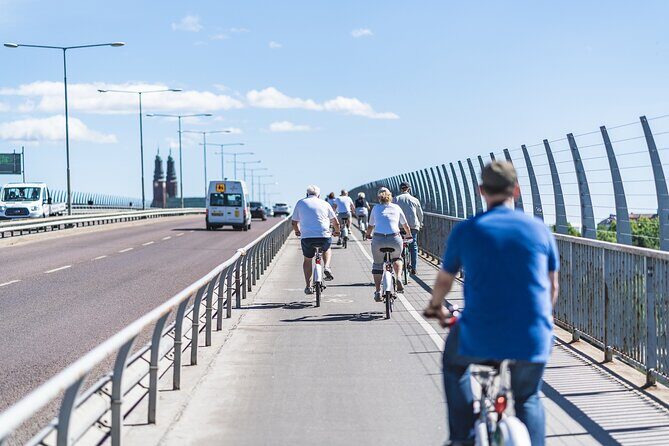
Next is The Western Bridge, inaugurated in the early 1900s and connecting Södermalm and Kungsholmen. The bridge is especially memorable because the Stockholm Marathon crosses it twice, and Stockholm’s “beautiful route” reputation starts right here.
Even if you’re not into marathons, bridges are where you get the best sense of how the islands connect. This stop is also a nice reset—ride, look, photo, then continue.
Reimersholme and alcohol history: a small island with a big story
You then pass Reimersholme, a small island with a few thousand residents. It has a long history related to both legal and illegal alcohol, and the story behind Absolut Vodka begins here.
This is a good example of why a guide helps. You can pass through areas like this by yourself and miss the human story. With a guide, you pick up the local trivia that makes the route feel lived-in.
Långholmen: green recreation and the prison museum option
Then it’s Långholmen, one of the greenest islands in central Stockholm. It’s a recreation area where you can swim, catch outdoor theatre, grab a meal, and (if you want) visit the prison museum.
In a 3-hour tour, you’re not likely to fully tour everything—but you can see the island’s mood. It feels like a breather from the city’s main traffic corridors while still being very close to major sights.
Södermalm: from working-class roots to trendy neighborhoods
Now you’re on Södermalm, the largest island in Stockholm’s core. Historically it was home to poorer and working-class residents; today it’s known for its trendy culture and lifestyle scene.
This matters for first-time visitors. It helps you understand Stockholm’s “islands as neighborhoods” logic. Each one has its own identity, and the tour makes that identity visible in a short amount of time.
Skinnarviksberget: the highest central viewpoint for water-and-city photos
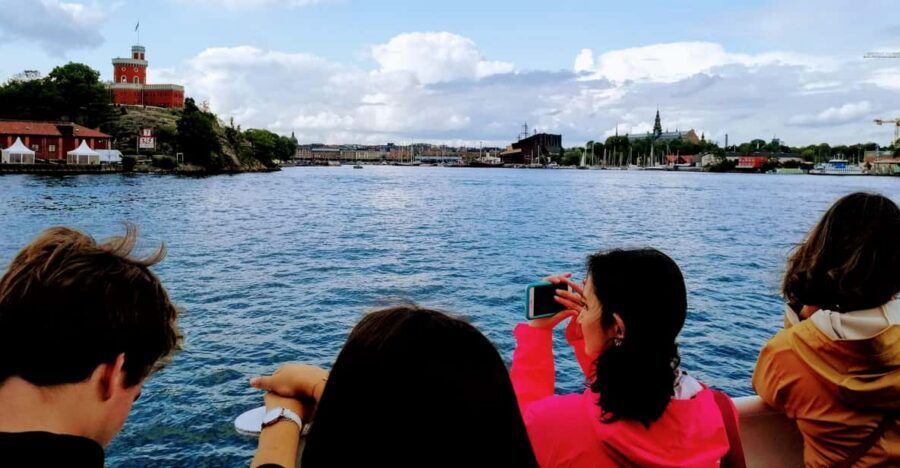
Next is Skinnarviksberget, the highest natural point in central Stockholm at 53 meters above sea level. It’s a favorite local spot for picnics and outdoor parties, and the views are the payoff: across the water you can see Kungsholmen, Gamla Stan, and Stockholm City Hall.
If you only remember one viewpoint from this tour, make it this one. It gives you a wide-angle understanding of Stockholm’s layout.
Mariatorget and ABBA-era pop culture landmarks
At Mariatorget, you’re near Hotel Rival, where ABBA was first seen together after their breakup in 1983. The area also connects to the premiere of Mamma Mia the Movie on July 4, 2008.
This is the kind of stop that works whether you’re a music fan or not. Even if you’re not chasing ABBA content, it signals how Stockholm weaves modern culture into older neighborhoods.
Slussen: the lock concept and water-level geography
Then you roll into Slussen. The name translates to the lock, and it’s tied to the difference in water levels between Lake Mälaren (about 70 cm higher) and the Baltic Sea.
This is a sneaky-smart stop. It explains a key “why” behind Stockholm’s geography and water design. Once you understand the water levels, the bridges, crossings, and waterfront city planning make more sense.
Gamla Stan energy: Stortorget and the Royal Palace without the chaos
Old Town can be crowded on your own schedule, especially when you try to line up streets, squares, and viewpoints. This tour gets you into the core fast and keeps it smooth.
Stortorget: Stockholm’s main Old Town square
You stop at Stortorget, the main square in Stockholm’s Old Town and a natural place to begin exploring. It’s historically tied to the first Town Hall, and it’s connected to merchants and public life in earlier centuries.
It’s also famous for the Bloodbath of 1520, so it has a heavier historical edge than a casual stroll might suggest.
Royal Palace: official residence with a unique working-monarchy feel
Finally, you reach the Royal Palace. The Royal Palace is one of Europe’s largest royal residences and serves as the King’s official residence. Importantly, it also functions as an everyday workplace for the King and Queen—this everyday element makes Stockholm’s royal setup stand out.
Ticket note again: Royal Palace entry is not included, so you’ll mostly get the exterior-area experience unless you add admission separately.
The guide: where the tour quality actually shows up
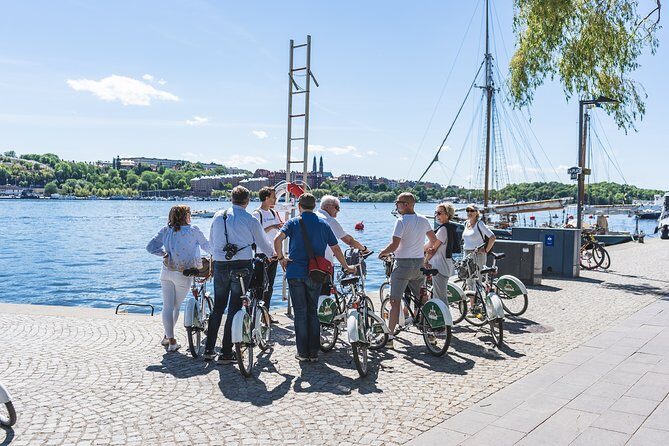
The strongest recurring theme in excellent feedback is the guide. Names like Katla, Alain, Katrina, and Lisa come up with praise for pacing, clarity, and making people feel comfortable on a bike.
What I’d pay attention to before you go:
- Do you want a relaxed, easy ride with lots of story stops? Guides in the feedback are praised for keeping the pace comfortable while still covering a lot.
- Do you want the route to help you get your bearings? The best guides use the bike time to explain geography and city logic, not just recite dates.
- Do you want real Swedish culture context? Expect talk about local spirit and heritage as you ride between neighborhoods.
Because it’s private, you can ask for what you need on the spot—more photos here, a quick explanation there, or swapping emphasis toward areas that match your interests.
Riding reality check: hills, cobblestones, and weather
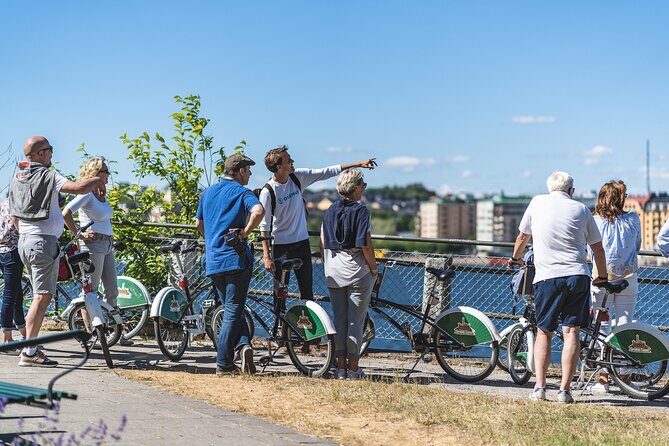
This tour is designed for moderate physical fitness. The route is primarily flat, with a few hills, but you should expect some cobblestones, especially around older streets and parts of Gamla Stan.
That doesn’t mean it’s hard. It does mean you should go in ready to handle your balance and slow down where the guide directs you. If you’ve ever struggled on uneven pavement, this is the part to think about.
Helmets are optional, and they’re provided with the bike rental. I’d still use one, even if the helmet policy is optional—your future self will thank you if the cobblestones get slick after rain.
Also: bring a bottle of water. Three hours in Swedish air can still dehydrate you, and you’ll want it when the ride keeps moving.
Fika and timing: where to slot a coffee break
Coffee and pastry breaks are not included. That’s not a problem—Stockholm is full of excellent fika options—but it means you should plan the gap.
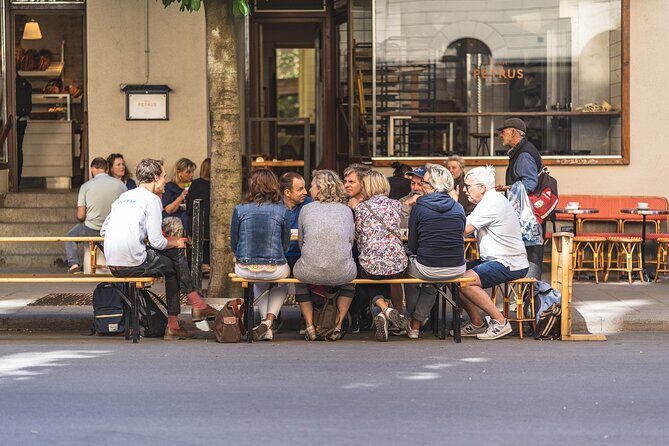
Best move: ask your guide where they’d stop for fika based on your interests and the day’s weather. You’ll be in the middle of neighborhoods where it’s easy to find something nearby, and your guide can help you choose a place that fits the vibe you want.
Great for first-time visitors, especially if you hate guesswork
If it’s your first trip to Stockholm or you only have a short window, this tour is built for getting oriented. You hit cultural landmarks, waterfront islands, and Old Town squares in a single afternoon-style session, so you can return later with more confidence.
There’s also a practical reason it works early in a trip: after the tour, you’ll know which areas you want to revisit on foot. And since the bike rental can be part of a longer window depending on the rental terms, you might find it easier to extend your exploring afterward than if you had returned the bike immediately.
Should you book this private bike tour?
Book it if you want:
- A time-efficient introduction to Stockholm without crowds and traffic hassles
- Private guide attention and a route that can flex to your interests
- A bike-based way to understand Stockholm’s island layout, bridges, and key neighborhoods
- A mix of cultural stops (theatre, City Hall, Old Town) plus viewpoints and parks
Skip it (or reconsider) if:
- You only want paid museum interiors and expect that to be included
- You strongly dislike cobblestones, uneven pavement, or cycling in variable weather
- Your budget is tight and you need the lowest-cost sightseeing option
If you’re open to riding for about three hours and you want a guided route that makes Stockholm feel logical quickly, this is a very solid use of your time.
FAQ
How long is the Stockholm’s Urban Treasures Private Bike Tour?
The tour lasts about 3 hours.
Where do we meet and where does the tour end?
You meet at Rent a Bike, Strandvägen 18, 114 56 Stockholm. The tour ends back at the same meeting point.
Is this tour private or shared with other groups?
It’s private, so only your group participates.
Is the tour offered in English?
Yes, it’s offered in English.
Does the price include bike rental and a helmet?
Bike rental is included. Helmet is optional, but you can receive one as part of the tour setup.
Are coffee and pastries included (fika)?
No, coffee and/or tea (fika) is not included.
Are admission tickets included for major stops like City Hall and the Royal Palace?
No. Stockholm City Hall and the Royal Palace have admission tickets not included. (Other stops listed are free.)
What should I know about weather and riding difficulty?
The tour operates in all weather conditions. It’s mainly flat with a few hills, and part includes cobblestones. A moderate physical fitness level is recommended.