REVIEW · GAMLA STAN & OLD TOWN TOURS
Jewish Gamla Stan and Jewish Museum Stockholm Private Tour
Book on GetYourGuide →Operated by Rosotravel Sweden · Bookable on GetYourGuide
History has footsteps in Old Town. This private tour threads Stockholm’s Jewish heritage through Gamla Stan’s cobblestones and into the Jewish Museum, which sits in the buildings of the city’s oldest surviving synagogue (3 & 4 H). I especially like how the guide connects street-level details to bigger stories, from 17th-century Jewish life to WWII rescue efforts tied to Raoul Wallenberg.
You also get a real human guide—licensed, fluent in your chosen language—and the pacing sounds like it stays thoughtful even when the weather turns. In past walks, guides like Cedric and Tal have been praised for taking time, answering questions, and adjusting when someone in the group needs a slower route.
One consideration: the Jewish Museum is not available every day. If you’re touring on a Monday, the museum stop may be off the table, which can make the tour feel less museum-heavy depending on the option you choose.
In This Review
- Key things you’ll like about this private Jewish Stockholm tour
- Walking Gamla Stan like a local, with Jewish history in the foreground
- Where the tour starts: Järntorgsbrunnen and getting your bearings fast
- 17th-century arrivals and baptism at Storkyrkan
- The Great Synagogue and Jewish heritage sights in Gamla Stan
- Raoul Wallenberg: the story behind the Holocaust monument at Berzelii Park
- Passing the Royal Palace and learning about Jewish Nobel laureates
- The Jewish Museum stop: what makes this museum visit different
- Private guide quality: pacing, questions, and why it matters on rainy days
- Duration and options: how to choose the right length (2, 3, or 4 hours)
- Price and value: what $205 per person is buying you
- Who should book this tour (and who might skip)
- Should you book the Jewish Gamla Stan and Jewish Museum private tour?
- FAQ
- What’s the meeting point for the tour?
- How long is the tour?
- Is the Jewish Museum included?
- Is it wheelchair accessible?
- Does the tour include private car transfers?
- Is synagogue admission included?
Key things you’ll like about this private Jewish Stockholm tour
- Gamla Stan Jewish traces on a tight walking route that’s easy to follow without feeling rushed
- Raoul Wallenberg at Berzelii Park, tied to Holocaust remembrance in a way that’s hard to forget
- Jewish Museum housed in Stockholm’s oldest extant synagogue (3 & 4 H)
- A licensed private guide who answers questions and works at your group’s pace
- Language options include English, Spanish, French, German, Italian, Russian, and Swedish
- Optional private car transfers for pickup/drop-off when you choose the longer option
Walking Gamla Stan like a local, with Jewish history in the foreground
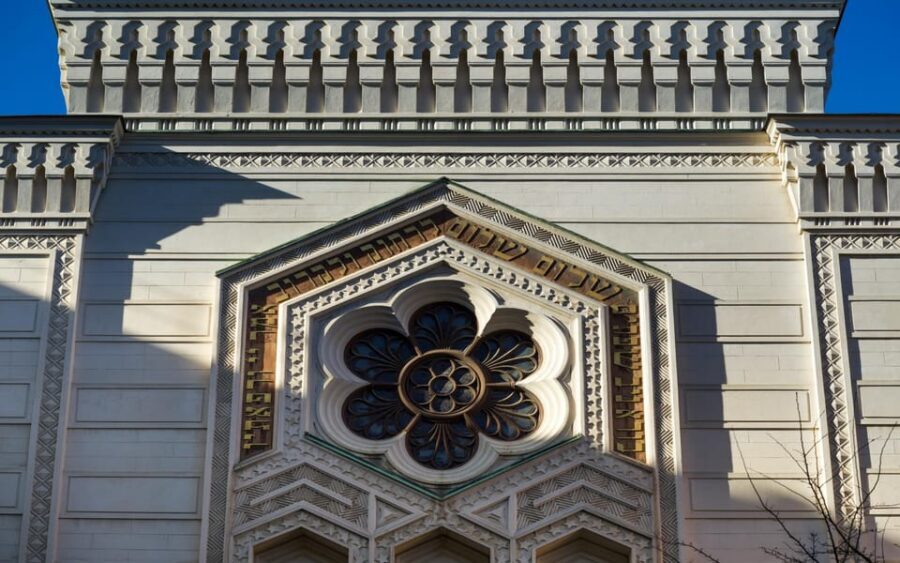
Gamla Stan can feel like just another Old Town—pretty streets, steep corners, photo-worthy facades. What changes on this tour is that you start noticing the “why” behind the buildings and spaces. You’re walking through the parts of Stockholm where Jewish presence is recorded, remembered, and explained through real landmarks.
A key strength here is that the guide doesn’t treat Jewish history as a single chapter. You’re guided through a timeline: early arrivals in the 1600s, community growth and institutions, the pressures of WWII, and what comes after. That structure matters. It turns the walk from a list of stops into a story you can actually hold onto.
If you want an Old Town experience that feels more than sightseeing—something that connects you to people and decisions—this is the format to pick. And because it’s a private group, you can ask questions without waiting for a bigger crowd to catch up.
Practical tip: this is a walking tour. Wear comfortable shoes and expect cobblestones. If rain shows up, it doesn’t automatically mean the day is ruined—guides have shown they’ll keep things moving at a sensible pace instead of sprinting from stop to stop.
Other Gamla Stan and Old Town tours in Stockholm

Where the tour starts: Järntorgsbrunnen and getting your bearings fast

You meet your guide at Järntorgsbrunnen, Västerlånggatan 83, 111 29 Stockholm. That’s a good anchor point. It puts you in the core of Gamla Stan without forcing you to start halfway across the city, and it makes it easier to plan the rest of your day.
From there, you’ll be moving through classic Old Town streets and then widening the story toward memorial locations around Berzelii Park. The walking route is designed to keep the tour cohesive, so you’re not bouncing randomly between neighborhoods. You get the sense that the guide built the flow to match the themes: community, institutions, catastrophe, and remembrance.
One thing I appreciate: the tour description makes it clear you’ll be visiting multiple Jewish heritage sites in Gamla Stan, not just one or two. That gives you a better “map in your head” by the end, so you can wander afterward and still recognize what you learned.
17th-century arrivals and baptism at Storkyrkan
A standout part of the story is how Jewish life is described in relation to early Swedish interactions with the Jewish community. You’ll see German Church and Storkyrkan (Cathedral), and the guide explains the role these places played for Jewish families after arrival in the 17th century—specifically noting baptisms for early Jewish families.
This is the kind of detail that can change your perspective. It’s not just about where synagogues are. It’s also about how minority communities were perceived, how institutions responded, and how individuals navigated a society that didn’t always fit neatly around them. Even if some of these facts feel complex or uncomfortable, a good guide helps you keep them in context.
If you’re the type of traveler who likes honest history—even when it’s complicated—this stop is worth your attention. It’s one of those moments where a city landmark becomes a lens.
The Great Synagogue and Jewish heritage sights in Gamla Stan
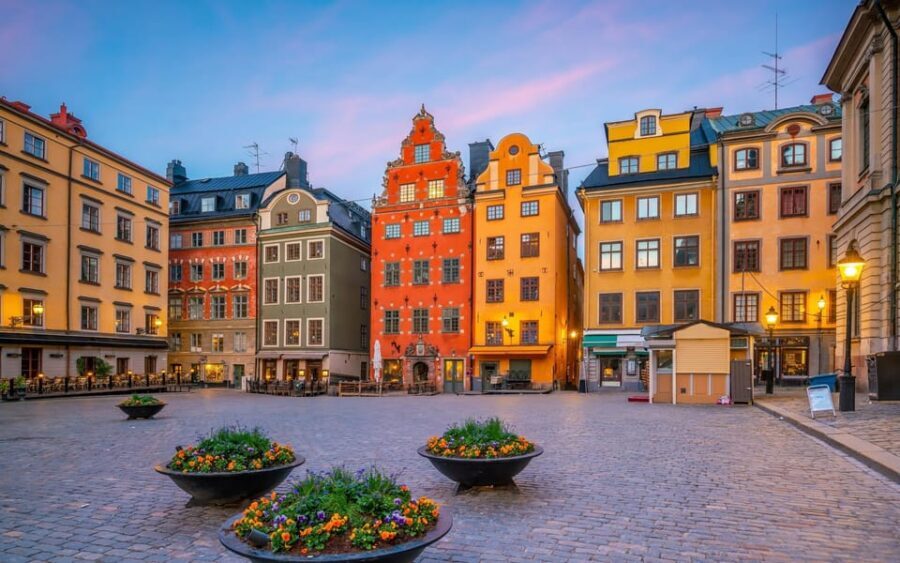
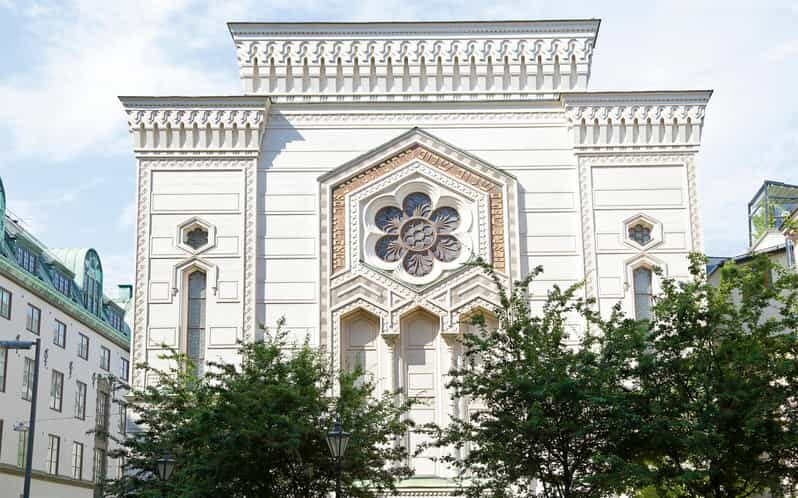
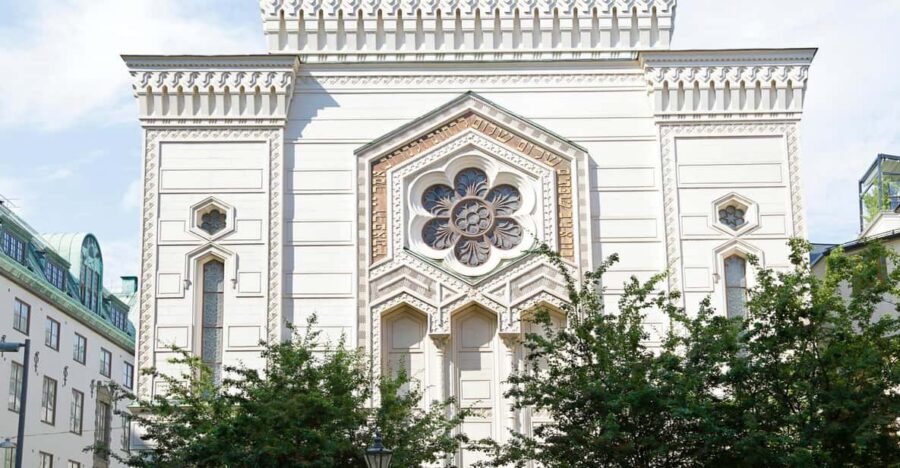
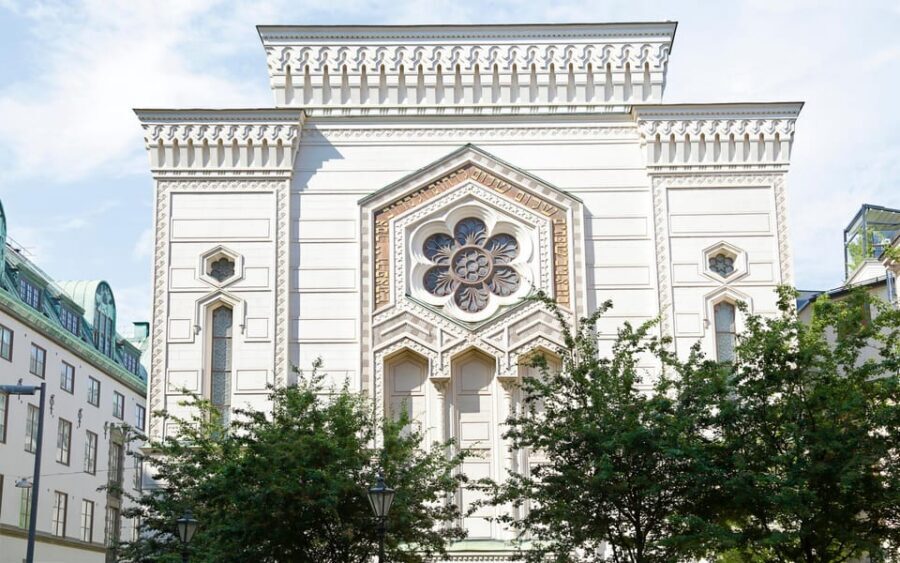
The tour includes seeing the Great Synagogue along with other Jewish heritage sites around Gamla Stan. While the exact order can vary with your option and group needs, the value is consistent: you get visual confirmation of how Jewish identity is anchored in places you can still find on foot today.
This matters because it prevents the tour from becoming purely theoretical. When you can point at a building and connect it to the story you just heard, the information sticks better. You also get the satisfaction of seeing beautiful places that aren’t just historical backdrops.
If you’re hoping for a tour that combines beauty with meaning, this is one of the best ways to do it in Stockholm. You get both the architecture and the human story behind it.
Raoul Wallenberg: the story behind the Holocaust monument at Berzelii Park
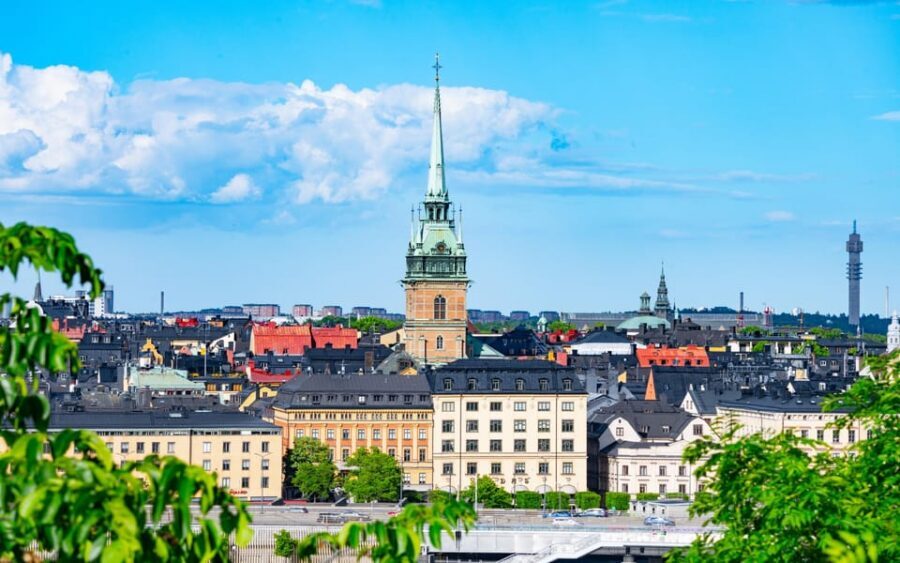
One of the most important parts of this experience is the connection to WWII rescue efforts. As you pass by key city sights, your guide points out locations tied to Holocaust remembrance, including Berzelii Park and the Holocaust monument dedicated to Raoul Wallenberg, described as someone who saved tens of thousands of Jewish people.
You’ll also learn about the Rememberene Path (as named on the tour materials), which ties into the theme of memory and acknowledgement in the public space of the city. Even without stepping into a museum room, this kind of location-based storytelling hits hard—because it’s not sealed behind ticket doors. It’s out in the open where people walk every day.
The guide also connects Wallenberg’s story to broader context around the Holocaust. That combination—memorial + explanation—tends to land better than either piece on its own.
Other private and hidden-gems tours in Stockholm






Passing the Royal Palace and learning about Jewish Nobel laureates
As you move through central Stockholm, you’ll pass the Royal Palace and then head toward the area near the Nobel Prize Museum. Outside that museum zone, your guide shares information about Jewish laureates who received the Nobel Prize over the years.
This section is a good break from the heavier WWII focus. It also broadens the lens beyond tragedy, showing how Jewish talent and achievement are woven into modern Swedish and global history. It’s not meant to replace the Holocaust story—it complements it.
If you like tours that keep multiple layers of history in play, this stop pattern is a win. It turns the walk into a broader “Stockholm worldview,” not just one theme.
The Jewish Museum stop: what makes this museum visit different
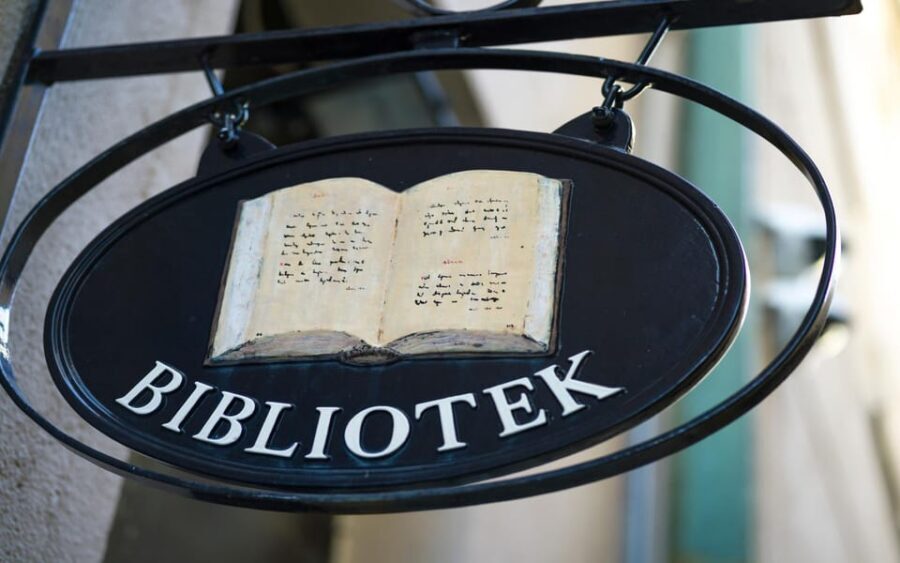
If you choose the 3-hour or 4-hour option, you include entrance tickets to the Jewish Museum, which is housed in the buildings of the first synagogue in Stockholm (3 & 4 H). This location detail is the big deal: the museum isn’t just displaying history. It’s placed inside a historic site linked to the early community.
Inside, you’ll learn more about the first Jews who came to Sweden and what it took for the community to build the first Jewish temple in the capital. You’ll also get context on Jewish culture and traditions, not only major events.
What I like about this setup is that it supports the street tour. You see the exterior signals in Gamla Stan, then you confirm the story in the museum’s interior exhibits. It helps you connect place to people.
Two notes to plan around:
- In the 2-hour option, entrance tickets to the Jewish Museum are not included, so you may see less of the museum-focused content.
- The Jewish Museum is closed on Mondays. If your trip lands on a Monday and you were counting on the museum stop, you may have to adjust expectations and what’s included in your selected option.
Also, admission to the synagogue itself is listed as not included. The museum and synagogue admission details can affect what you’re able to see inside historical spaces. Your guide can’t always change that, but it helps to know going in.
Private guide quality: pacing, questions, and why it matters on rainy days

This is a private tour, and the difference shows in the details. When the weather is wet, you still want a guide who won’t rush you through important points. In one reported walk, Cedric kept a calm pace even when it rained and made sure explanations weren’t cut short.
I also like that the format supports slower movement when needed. One account praised the guide for being attentive to a wife who had difficulty walking, using alternate paths and extending the tour time so everything could still be covered. That kind of flexibility is exactly what you want from a private guide.
Because you’re limited to a private group (with the guide noting group-size limits up to 1–25 guests per guide), you should be able to ask questions. If you’re the kind of traveler who likes to unpack details—dates, names, why something happened—this tour style is built for that.
Finally, language options are wide: French, German, Italian, Russian, Spanish, English, and Swedish. That matters because the difference between a good summary and a great explanation often comes down to language nuance.
Duration and options: how to choose the right length (2, 3, or 4 hours)

The tour experience is offered in different lengths, and the inclusions change. Here’s the practical way to think about it:
2-hour walking option
- Best if you want the core Gamla Stan traces and heritage sites fast
- Entrance tickets to the Jewish Museum are not included
- Private car pickup and drop-off are not included
3-hour option
- This is where the Jewish Museum becomes part of the plan (entrance tickets included)
- Best if you want both street landmarks and museum context
- Still a walking format without private car transfers
4-hour option
- Adds round-trip transfer by private car with pickup and drop-off at your accommodation
- Entrance tickets to the Jewish Museum are included
If you’re short on time or you want a lighter day, the 2-hour walk can work. If you want the museum experience, go with 3 hours or 4 hours. If you hate the logistics of meeting transit routes, or you’re traveling with mobility limitations, the 4-hour option’s private transfer is the cleanest solution.
Price and value: what $205 per person is buying you
At $205 per person, the price isn’t cheap on the surface. But you’re buying a private, licensed historical guide, a walking route built around Jewish heritage sites in Gamla Stan, and (depending on option) museum entrance and/or private vehicle transfers.
Here’s the value math I’d use:
- If you choose the 3- or 4-hour option, you get Jewish Museum entrance tickets included, so you’re not paying separately to do the main indoor component.
- The tour includes historical facts and anecdotes, plus a guide fluent in your selected language.
- If you choose the 4-hour option, you’re also paying for time-saving private car pickup and drop-off, which can matter a lot in a city where you want to protect your energy for the walking parts.
So the biggest reason this price can feel fair is that the tour is not only “seeing places.” It’s structured teaching in a private format, plus museum access when you pick the right option.
That said, if you’re on a tight budget, compare your priorities. If the museum is your top goal, don’t pick the 2-hour plan expecting a museum visit. Match the option to your day.
Who should book this tour (and who might skip)
This tour is a great fit if:
- You want a private guide and better-than-standard context around Jewish landmarks
- You care about WWII stories and Holocaust remembrance tied to real locations
- You prefer guided walking over self-guided reading when history is dense
You might skip it or switch options if:
- You’re traveling on a Monday and museum access is central to your plan
- You don’t want to walk in cobblestone streets (even short tours add up)
- You’re expecting synagogue interior access beyond what’s included (synagogue admission is listed as not included)
If you’re a “one museum day and done” traveler, consider the 3-hour or 4-hour option so you get the museum without regrets.
Should you book the Jewish Gamla Stan and Jewish Museum private tour?
I’d book this if you want Stockholm’s Jewish history explained with care, in the right places, and with a guide who won’t treat it like a quick slideshow. The combination of Gamla Stan landmarks, the Holocaust remembrance connections to Raoul Wallenberg, and the museum housed in the first synagogue buildings makes the experience more than sightseeing.
If your dates include a Monday, double-check your expectations based on the option you’re choosing, since museum access may be affected. And if you’re traveling with time pressure, pick the option that matches what you truly want—street traces only (2 hours) or street + museum (3–4 hours).
For many visitors, this is one of those Stockholm experiences where you leave with a clearer sense of the city as lived-in history, not just old stone.
FAQ
What’s the meeting point for the tour?
Meet your guide in front of Järntorgsbrunnen at Västerlånggatan 83, 111 29 Stockholm, Sweden.
How long is the tour?
The experience is offered in options that run about 2–3 hours, depending on what you select.
Is the Jewish Museum included?
Entrance tickets to the Jewish Museum are included for the 3- and 4-hour options, but not included in the 2-hour option.
Is it wheelchair accessible?
Yes, the tour is listed as wheelchair accessible.
Does the tour include private car transfers?
Private car transfers with pickup and drop-off at your accommodation are included only for the 4-hour option.
Is synagogue admission included?
Admission to the synagogue is not included.