REVIEW · SöDERMALM TOURS
Stockholm: Scandinavian Architecture & Design Ostermalm Tour
Book on GetYourGuide →Operated by XperienceSthlm · Bookable on GetYourGuide
Stockholm’s design tour starts at a mushroom-shaped canopy. This 3-hour Östermalm walk threads together 1800s-to-now architecture, Swedish style, and real design-house shopping stops. I especially like the mix of guided building stories and on-the-ground looks at how modern Swedish taste gets made.
I also love that it’s not just window-shopping. You’ll visit Östermalmshallen (the food market hall) and get guided time in two design households like Nordiska Galleriet and Svenskt Tenn. One possible drawback: the route is packed with short photo stops, so if you want lots of long sittings or slow strolling, you’ll feel a bit time-pressed.
In This Review
- Key highlights to look forward to
- Svampen meeting point and a route built for seeing details
- Stureplan and Danileuska Huset: your first architecture lens
- Östermalmshallen: food hall energy with a design brain
- The Östermalm stretch: where Swedish design trends take shape
- Strandvägen and a break for the views
- Royal Dramatic Theatre and Ingmar Bergman connections
- Kungsträdgården Park: breathing room between big buildings
- Royal Swedish Opera: architecture with a civic center vibe
- National Museum and the sculpture garden: finish with lasting visuals
- Price and value: what $66 buys you in real time
- Best for: who should book this style of Stockholm tour
- Practical tips so the day feels easy
- Should you book Stockholm: Scandinavian Architecture & Design Östermalm Tour?
- FAQ
- How long is the tour?
- How much does it cost?
- Where do I meet the guide?
- Is the tour wheelchair accessible?
- What language is the tour in?
- What is included in the tour?
- What should I bring or wear?
Key highlights to look forward to
- Svampen as a super clear starting point: meet under the mushroom-like raincover and grab your bearings fast.
- Stureplan and Danileuska Huset photo time: a classic district starting point before the tour leans into design.
- Östermalmshallen food market visit: guided time plus shopping and local bites.
- Design-house visits in the neighborhood that sets trends: stops connected to Swedish fashion and design.
- Landmarks with culture attached: Royal Dramatic Theatre linked to Ingmar Bergman and major opera sights.
- National Museum grounds at the end: quick photo-and-walk energy plus the sculpture garden included.
Svampen meeting point and a route built for seeing details
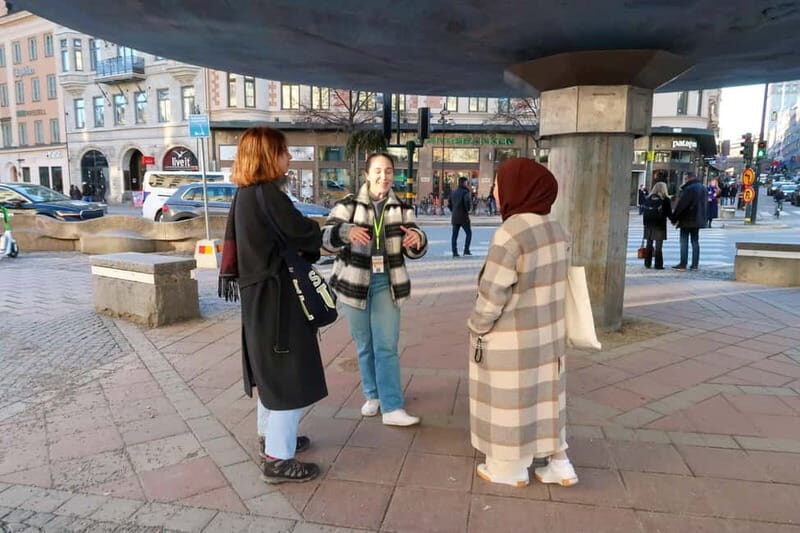
You start under the raincover at Svampen, the mushroom-looking landmark. It’s a handy meet-up because it’s easy to spot, and the tour staff will be wearing a neon name tag lanyard. Show up 5 to 10 minutes early so you’re not sprinting in Stockholm rain (yes, bring that umbrella).
This tour is designed for people who like architecture that you can actually read. The guide helps you see how Swedish design thought shows up in everyday places—facades, materials, street layout, and the way public buildings hold space in the city. Even if you’re not a hardcore architecture nerd, the pacing keeps it friendly.
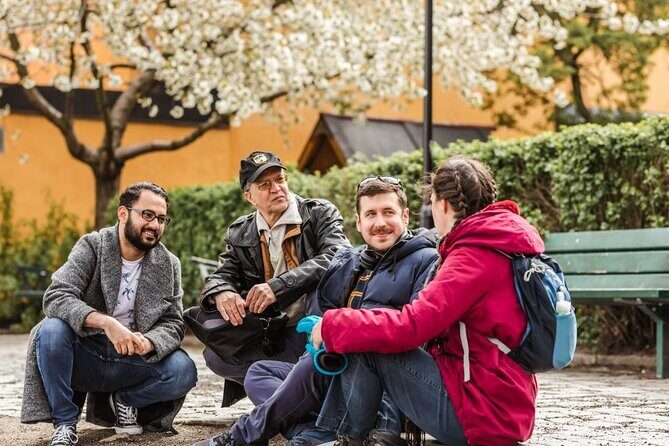
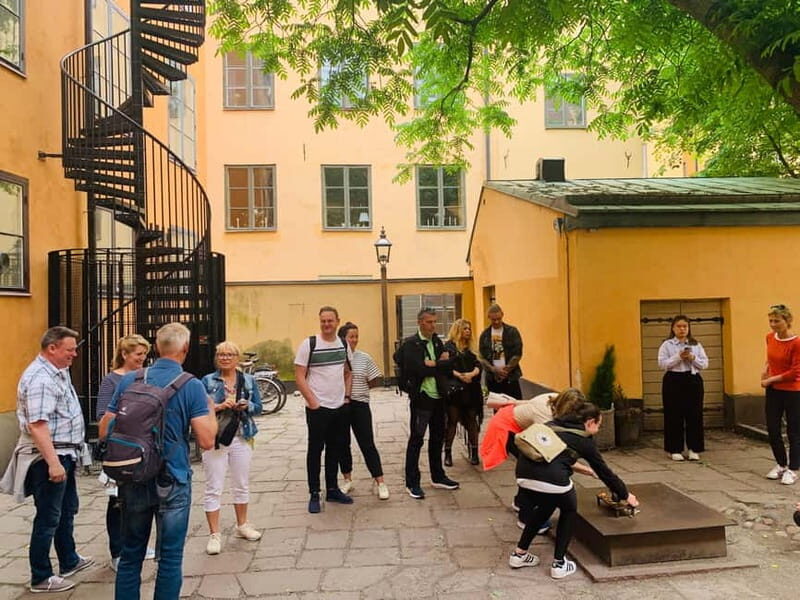
Since the group is limited to 10 participants, you’re not stuck with the “single-file tourist line” vibe. You can ask questions and steer the conversation toward what you care about—materials, style periods, or how Swedish design became a global brand.
Other Sodermalm and Ostermalm tours in Stockholm

Stureplan and Danileuska Huset: your first architecture lens
The tour begins with Stureplan, including a photo stop and guided time (about 30 minutes total here). Stureplan is one of those Stockholm nodes where the city feels intentional. You get a first look at how buildings create rhythm around a public space—where streets widen, where views open, and how facades signal status without shouting.
Then you’ll focus on Danileuska Huset. This is the kind of stop that helps you learn what to look for: not just the obvious “pretty building,” but the design choices that make it feel timeless—proportions, ornament style, and how it relates to its neighbors. If you’ve ever walked past something in a city and wondered why it looks the way it does, this is the early payoff.
Keep your camera ready but follow the rules: flash photography isn’t allowed, and tripods are not. If you want steady shots, rely on phone stabilization or brace your elbows on a railing.
Östermalmshallen: food hall energy with a design brain
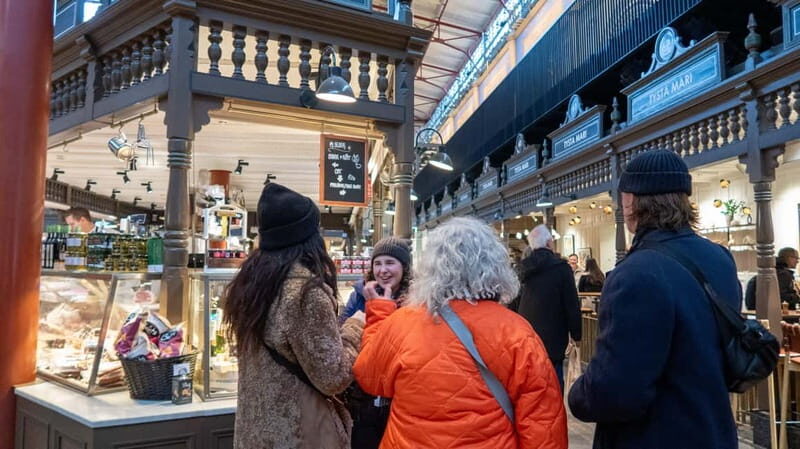
Next is Östermalmshallen for about 30 minutes, with photo stops, a guided tour, and time for shopping and local snacks. This stop matters for one simple reason: it shows design at the human scale. Public markets are where architecture becomes practical—light, layout, flow, and how people move through a space.
You’ll also get a taste of why Östermalm is tied to Swedish fashion and design culture. The same neighborhood attitude that produces design icons also feeds the daily ritual of choosing ingredients, trying small things, and taking your time.
If you like sampling, this is the moment. If you’re more of a window-only person, you can still enjoy the hall’s character—colors, signage, and the overall feel of a place that’s both traditional and constantly used.
The Östermalm stretch: where Swedish design trends take shape
One of the best parts of this tour is the time spent in the Östermalm district (about 30 minutes). This is where the route connects big-name architecture and design culture. You’ll pass or reference landmarks tied to the neighborhood’s identity, including Hallwyl Museum, Berns Hotel, St. Jacob’s Church, IKEA, and references to subway art.
A quick note on what makes this segment useful: it doesn’t treat design like museum glass. It treats it like something you can see in how buildings sit on the street, how a landmark’s presence changes the vibe of a block, and how institutions shape local taste.
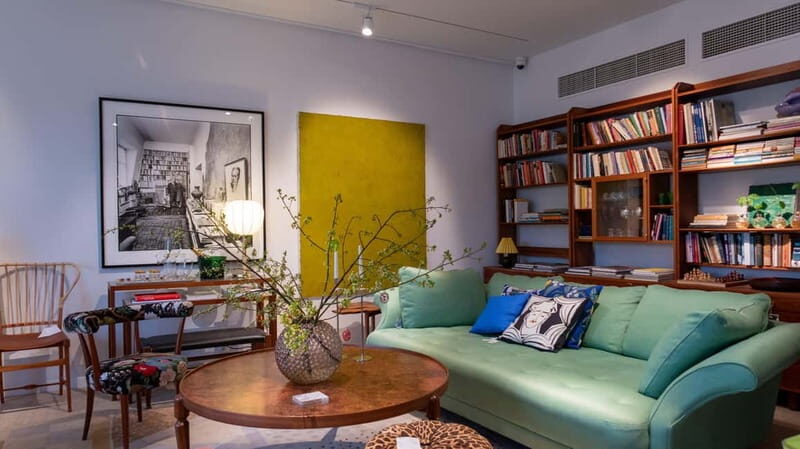
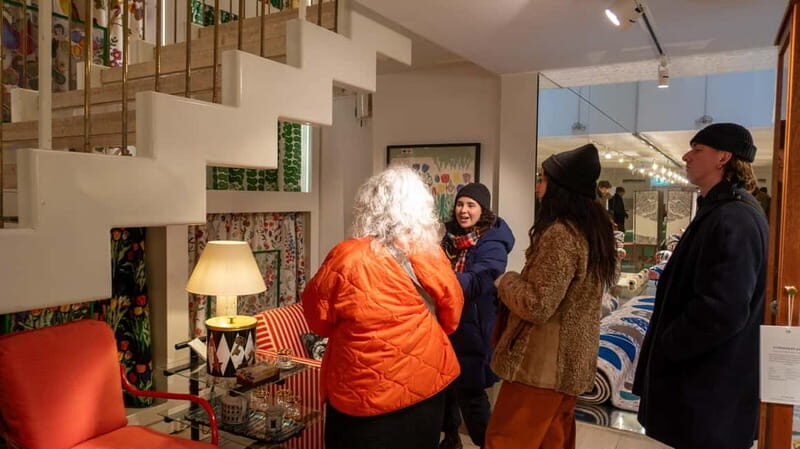
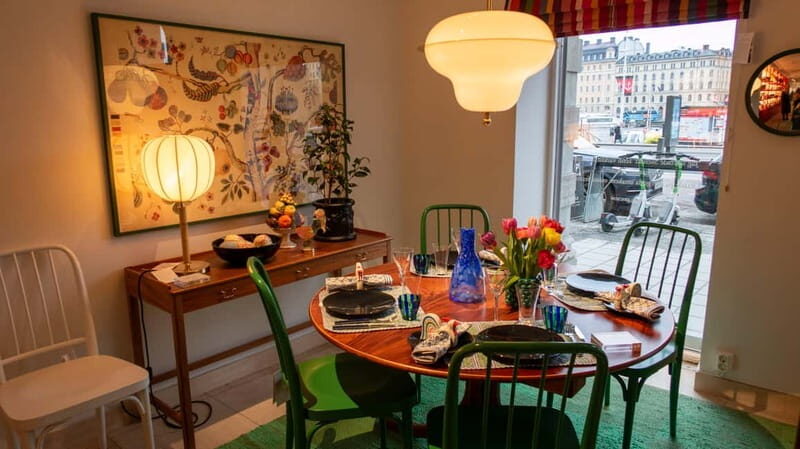
You’ll also get a chance to shop in the two design household-name stores included. Nordiska Galleriet and Svenskt Tenn are exactly the kind of places where you can connect design ideas to objects you can touch. Even if you don’t buy anything, you’ll start recognizing stylistic signatures—color choices, pattern language, and material preferences—that show up later in other Stockholm sights.
Strandvägen and a break for the views
After the district segment, there’s a short break on Strandvägen (about 15 minutes). This is your scenic pressure release. Strandvägen is the “stop-and-look” kind of street, where walking straight for a bit can feel like the city is lining up a photo for you.
This pause is also practical. After time near shops and denser streets, you’ll want a moment to rest your feet and reset your eyes for the next cluster of cultural buildings.
If you’re carrying a phone camera, this is where you’ll likely get the best results—buildings and water give you depth, and Stockholm’s light can do a lot even without perfect weather.






Royal Dramatic Theatre and Ingmar Bergman connections
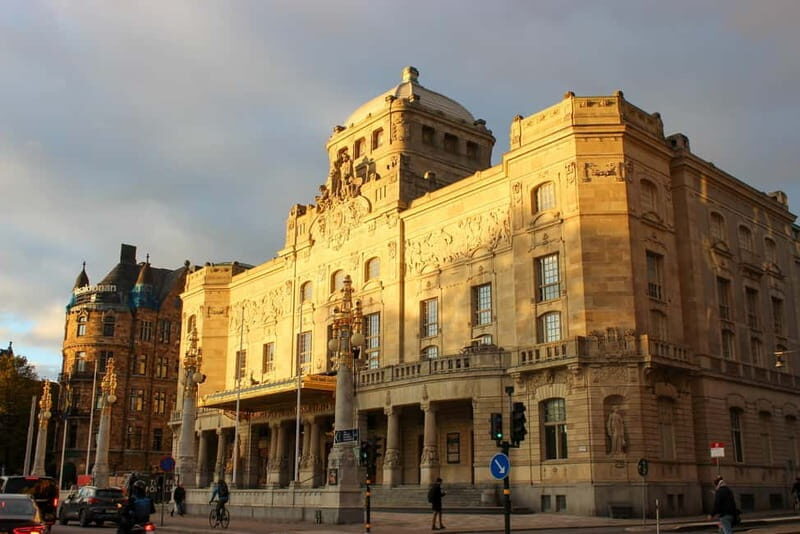
Next up: Royal Dramatic Theatre for around 15 minutes, with a photo stop and guided time. This is one of those stops where architecture and storytelling overlap. The highlight link here is Ingmar Bergman, which gives the building an extra layer beyond style.
Even if theatre isn’t your main interest, this is still valuable because it shows how a prominent cultural institution behaves in the city. The guide helps you spot what makes the building feel important—its presence, its civic role, and the way it frames public life around it.
Kungsträdgården Park: breathing room between big buildings
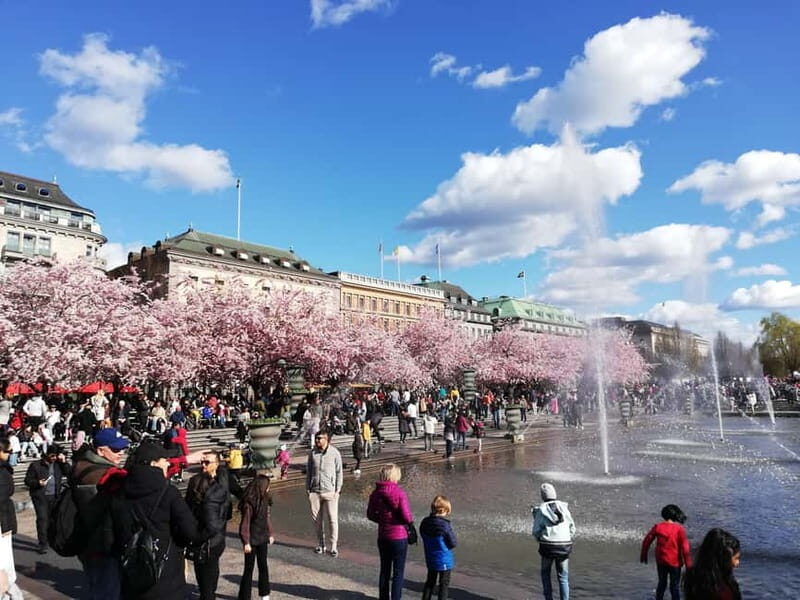
Then you’ll head to Kungsträdgården Park (about 10 minutes). This is short, but it’s not random. Parks in Stockholm are part of the design system—light breaks, street-to-water transitions, and a place where architecture looks different once people enter the scene.
You’ll get photo time and guided context, plus a bit of walking. It’s the kind of stop that helps you avoid “sight overload.” After too many facades, your brain needs a visual reset—and a park does that instantly.
Royal Swedish Opera: architecture with a civic center vibe
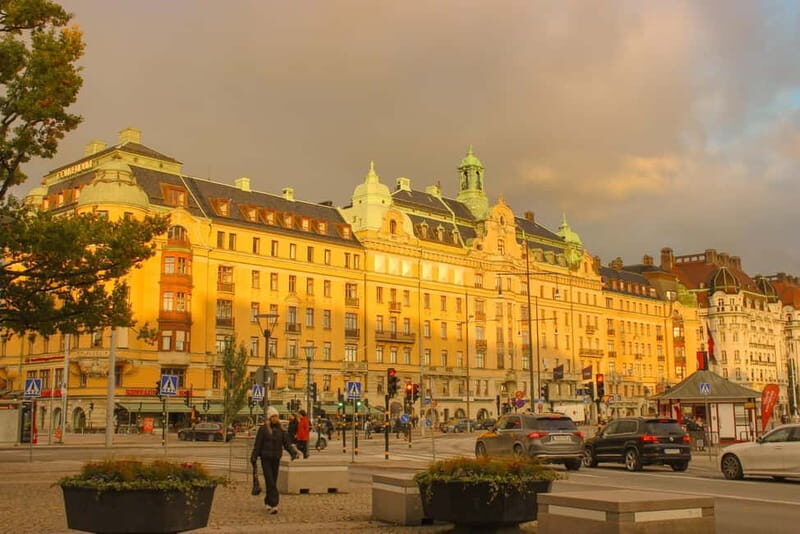
The route continues to the Royal Swedish Opera (about 15 minutes for sightseeing and walking). Here you get more of that grand public-building feeling, but the goal isn’t to stare up at it like a statue. The guide’s job is to connect the building to the city’s larger structure—how culture centers create anchor points for neighborhoods.
Expect this to feel a bit more formal than the market area earlier. That contrast is a good thing. Stockholm design doesn’t only show up in craft shops and cozy streets. It also shows up when institutions build on a large scale.
National Museum and the sculpture garden: finish with lasting visuals
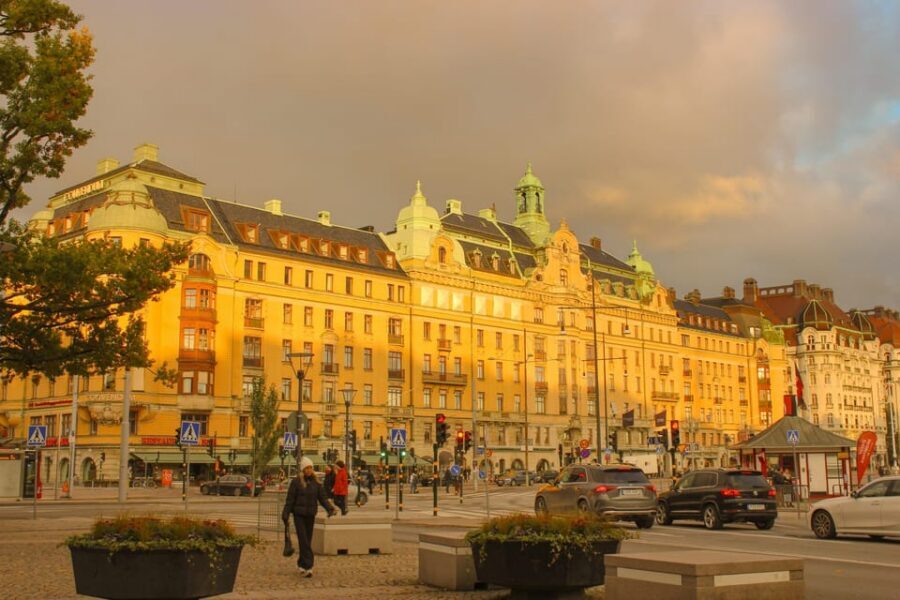
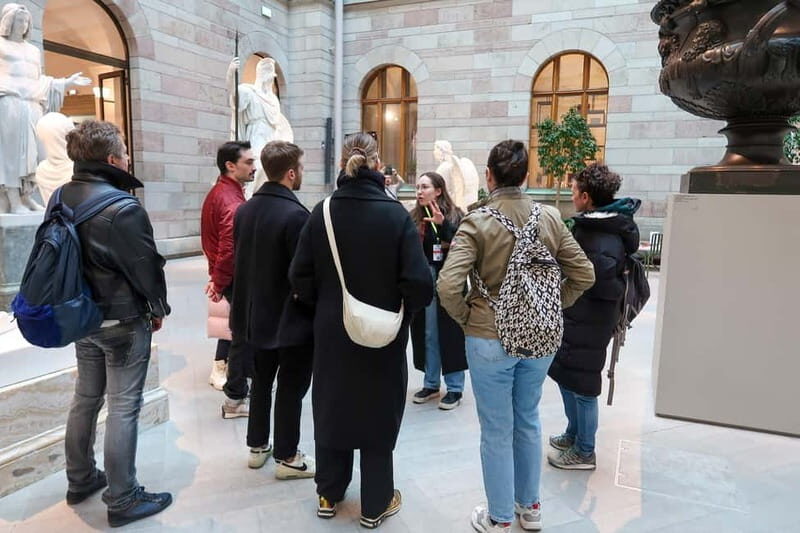
Your final cluster is the National Museum area (with a short photo stop and guided time plus a walk). There’s mention of sunset/scenic views on the way, and the National Museum’s sculpture garden is included.
This finish is smart. After three hours of architectural and design talk, you end with something that rewards time standing still. Even if you only have a few minutes, sculpture gardens are where you can slow down your looking. Lines, shadows, and how forms relate to open space are easier to understand without constant movement.
Also, you’ll likely have better photos here because the visual payoff is calmer and more open than street corners.
One small thing to double-check: the information notes can conflict on the exact ending location. The route details say you finish at the National Museum, while the meeting-point note says the activity ends back at the meeting point. When you confirm, verify the exact end point so you can plan your next move.
Price and value: what $66 buys you in real time
At $66 per person for 3 hours, the value is in the packaging. You’re getting:
- a local expert guide focused on art history, architecture, and Swedish design
- visits built into the route, including Östermalmshallen
- two design-house shops (time inside included)
- the National Museum sculpture garden included
- a skip-the-line setup using a separate entrance
If you tried to do this on your own, you’d likely spend time figuring out which buildings matter most and where the design stories connect. This tour reduces that guesswork and keeps the pacing realistic.
It’s also a good deal for the group size. With only up to 10 people, you’re less likely to get “guide voice over a wall of shoulders,” and more likely to get direct answers.
Best for: who should book this style of Stockholm tour
This one is a great fit if you:
- love design and architecture more than random sightseeing
- want to understand Swedish style without needing to study before you arrive
- like a mix of street walking plus a couple of meaningful indoor stops
- prefer small groups and Q&A-friendly pacing
It’s less ideal if you want a slow, cafe-heavy day or a tour that spends lots of time inside each major building. This route keeps moving, with short, focused windows at each highlight.
Practical tips so the day feels easy
Bring comfortable shoes. You’ll be walking. Stockholm looks pretty, but the pavement doesn’t care about your fashion choices.
Also bring a charged smartphone and a reusable water bottle. Weather can change fast, so pack what the tour suggests: umbrella, rain gear, and layers that won’t make you miserable.
Avoid sandals or flip-flops, and skip anything bulky. No luggage or large bags, and no tripods or video recording. If you love fragrances, save the perfume for later—strong scents aren’t allowed.
If you’re sensitive to noise or crowds, plan for city sounds. This is a city-streets tour, not a quiet museum hour.
Should you book Stockholm: Scandinavian Architecture & Design Östermalm Tour?
Yes—if your goal is to leave Östermalm with a clearer sense of how Swedish architecture and design thinking shows up in everyday Stockholm.
You’ll get a smart route with major cultural landmarks, a true neighborhood feel through Östermalmshallen, and a practical design-shop experience inside places like Nordiska Galleriet and Svenskt Tenn. The small group size helps a lot with questions, and the guide focus on art history and Swedish design makes the stops feel connected, not random.
If you prefer long sits and lots of time inside buildings, you might find the pace brisk. But for a first Stockholm design-and-architecture day, this is a solid, efficient plan.
FAQ
How long is the tour?
The tour lasts 3 hours.
How much does it cost?
The price is $66 per person.
Where do I meet the guide?
Meet under the raincover at Svampen. Arrive 5 to 10 minutes before the start time, and look for the guide with a neon name tag lanyard.
Is the tour wheelchair accessible?
Yes. The activity is listed as wheelchair accessible.
What language is the tour in?
The live tour guide speaks English.
What is included in the tour?
It includes a local expert guide, visits to 2 design shops, a visit to Östermalmshallen (food market hall), and a visit to the National Museum sculpture garden.
What should I bring or wear?
Wear comfortable shoes and bring weather-appropriate items like an umbrella and rain gear. The tour also suggests sunglasses, a sun hat, sunscreen, and a charged smartphone.