REVIEW · STOCKHOLM HIGHLIGHTS & MUST-SEES
Stockholm: Must-See Attractions Walking Tour with a Guide
Book on GetYourGuide →Operated by Guydeez Tours · Bookable on GetYourGuide
Three hours can change how you read Stockholm. You’ll walk past big-ticket icons like the Royal Palace and Stockholm City Hall, then end with the calmer, more scenic feel of Riddarholmen and the Royal Swedish Opera. It’s a smart way to connect the dots between monarchy, civic pride, and everyday street-life.
I also love the small moments in this route. Mårten Trotzigs Gränd (Stockholm’s narrowest street) turns a simple walk into something you can feel, and Stortorget gives you a perfect Old Town starting point to understand how the city grew.
One thing to consider: this is still a walking tour, and the “feel” depends on your guide. If your guide keeps things fast or light on stories, it can start to feel like a long stroll rather than a guided experience—so come ready with a couple of questions.
In This Review
- Key highlights worth penciling in
- Meeting at Max Burgers: a quick start in postcode 111 57
- Stortorget: where Stockholm’s Old Town story makes sense fast
- Royal Palace grounds: official residence with a lot of presence
- St George and the Dragon: a small statue with a big legend
- Stockholm City Hall and the three golden crowns
- Mårten Trotzigs Gränd: Stockholm’s narrowest street moment
- Riddarholmen: 17th-century palaces on the water
- Royal Swedish Opera: finish with culture, not just monuments
- Price and value for a 3-hour Stockholm walking tour
- How to get more from your guide (and avoid the flat-feeling tour)
- Who this tour fits best
- Should you book the Stockholm Old Town walking tour?
- FAQ
- Where do I meet the guide?
- How long is the tour?
- Which sights are included on the route?
- What languages are the tours offered in?
- Is the walking tour wheelchair accessible?
- Is there a private group option?
- What should I bring, and can I cancel?
Key highlights worth penciling in
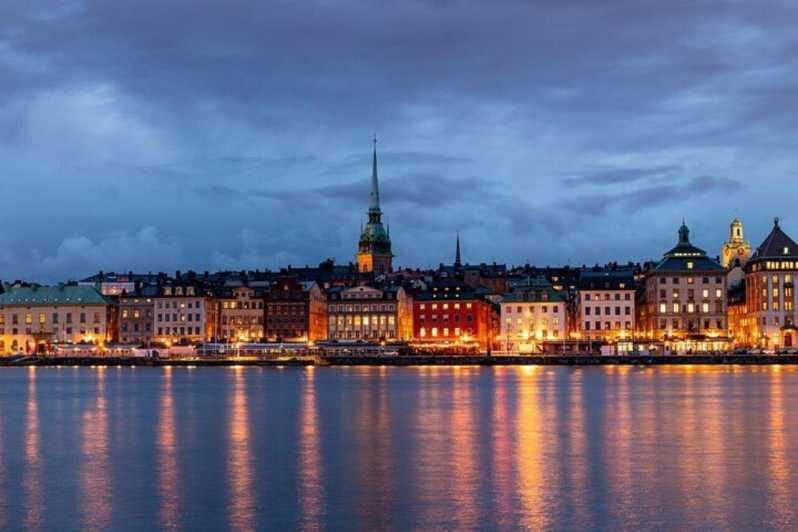
- Stortorget start in the heart of Old Town: colorful square energy and historical context to set the tone.
- Royal Palace grounds with real royal weight: see the official residence and learn why it matters.
- St George and the Dragon statue stop: a quick, memorable story-shaped photo break.
- Stockholm City Hall’s three golden crowns: civic symbolism you’ll spot immediately.
- Mårten Trotzigs Gränd, the narrowest street: a short stretch with big atmosphere.
- Riddarholmen’s 17th-century palaces + Opera finish: the route shifts from street texture to cultural landmarks.
Meeting at Max Burgers: a quick start in postcode 111 57
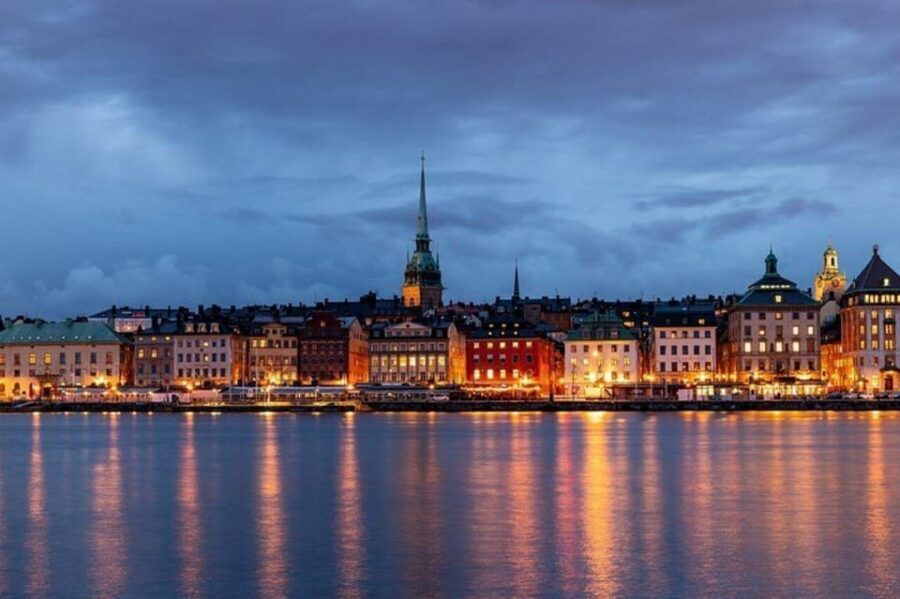
This tour meets you in front of Max Burgers. The meeting setup is around 111 57, which places you right where it makes sense to begin your Old Town exploration without wasting time crossing half the city. In 3 hours, that matters.
Wear comfortable shoes—not “I can do it,” but “I’ll be happy doing it.” The route mixes wide-open squares with tighter lanes and a few practical turns. You’re not just seeing famous buildings; you’re walking the city’s scale.
One underrated benefit of a guided format like this is that it helps you pace your attention. Without a guide, it’s easy to look up at facades and then forget what you just saw 10 minutes later. With a guide, you’re more likely to connect what you notice—materials, symbols, street layout—to the why behind it.
Other Stockholm highlights and must-see tours


Stortorget: where Stockholm’s Old Town story makes sense fast
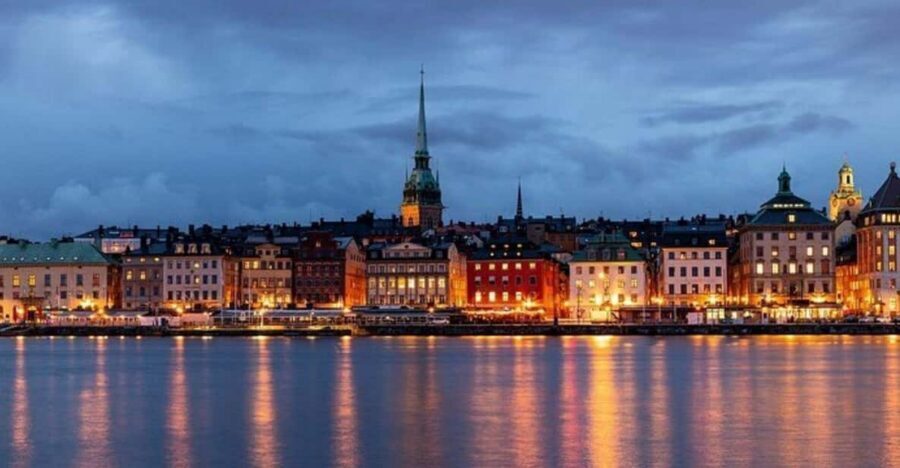
You start at Stortorget, the main square in Gamla Stan (Old Town). It’s the kind of place where the buildings pull you in before you even start learning names: colorful fronts, historic charm, and a layout that makes you feel the city’s “center of gravity” for centuries.
Here’s what a good guide does in a square like this: they help you read the environment. You’ll get the story behind what you’re seeing and why this square is treated like a hub rather than just a pretty postcard stop. The goal isn’t to memorize dates; it’s to understand how Stockholm’s identity formed around key public spaces.
And yes, you’ll want a few photos. Just don’t let pictures steal the whole moment. If you keep your eyes up for a couple of extra minutes, you’ll start spotting how the street grid funnels you naturally toward the next major landmark.
Royal Palace grounds: official residence with a lot of presence
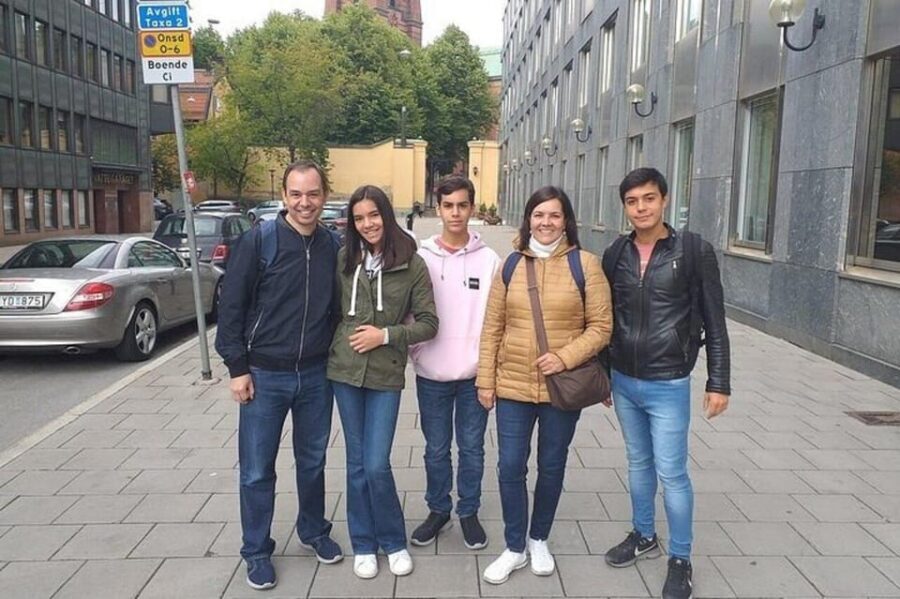
Next comes the Royal Palace, Stockholm. You’re visiting the official residence of the King of Sweden, so it has that very specific “power and tradition” feeling even if you’re only seeing it from the outside and across the grounds.
The guide-led angle here is helpful. You’re not just looking at a grand building; you’re learning why the palace is significant and what it represents in Swedish national identity. That kind of context changes the way you experience a place like this—suddenly the scale isn’t random, and the details don’t feel decorative for decoration’s sake.
This stop also gives you a chance to slow down. Take a minute to look at the overall setting rather than sprinting to the best photo spot. If you’re traveling on a tight schedule, this is exactly the kind of stop where a guide helps you get maximum meaning with minimal time.
St George and the Dragon: a small statue with a big legend
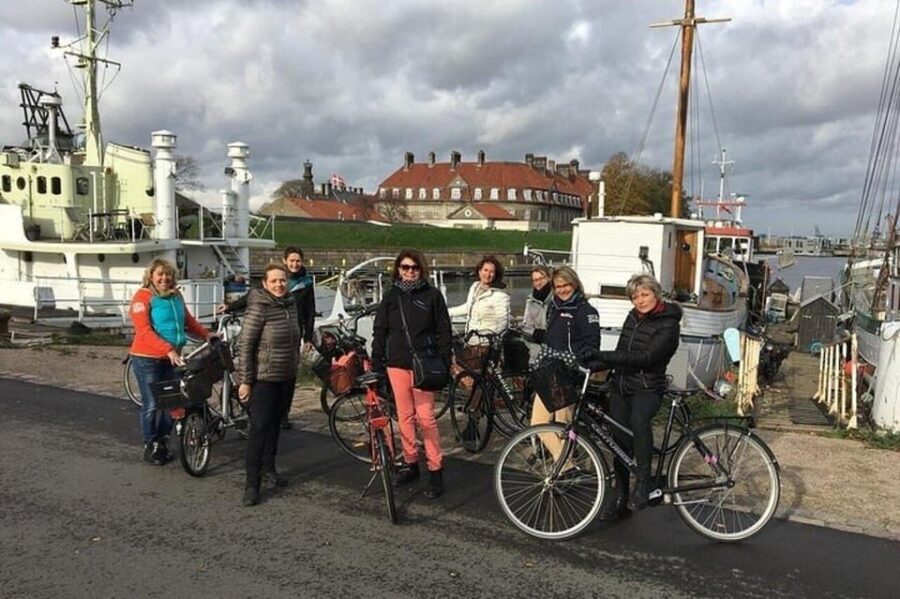
Between the palace area and the next landmark, you’ll make a stop at the St George and the Dragon statue. It commemorates the legendary battle between St. George and the dragon.
This is the type of stop I like on walking tours: it’s short, it’s specific, and it gives you a story you can carry forward. Even if you only remember one detail from the whole outing, it’s easier when it’s tied to a recognizable figure and a clear legend.
It’s also a useful rhythm-break. After major architecture, a human-scale monument feels like a breather. You can stretch your legs, grab one more photo, and reset before the tour heads to a civic landmark.
Stockholm City Hall and the three golden crowns
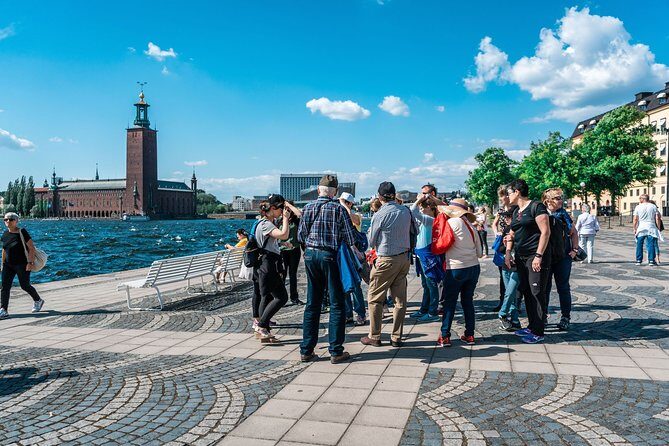
Then you reach Stockholm City Hall, topped with three golden crowns. This is one of those “you can’t miss it” visuals: the symbolism is obvious, but the meaning takes a guide to explain clearly.
The guide will talk about the building’s role in Swedish history. That matters because City Hall isn’t just a pretty facade—it’s part of the story of how Stockholm sees itself, how power shows up in public architecture, and how national identity gets displayed in civic spaces.
Practical note: this is also a good area to slow your pace slightly. You’ll likely want to step back for a wider view and then move closer for detail. The crowns look dramatic from a distance, but the architectural work shows up better up close.
If you’re a design-spotter, pay attention to how the building frames the surrounding space. Even without entering interiors, you can still understand how this landmark dominates its part of the city.
Other walking tours we've reviewed in Stockholm





Mårten Trotzigs Gränd: Stockholm’s narrowest street moment
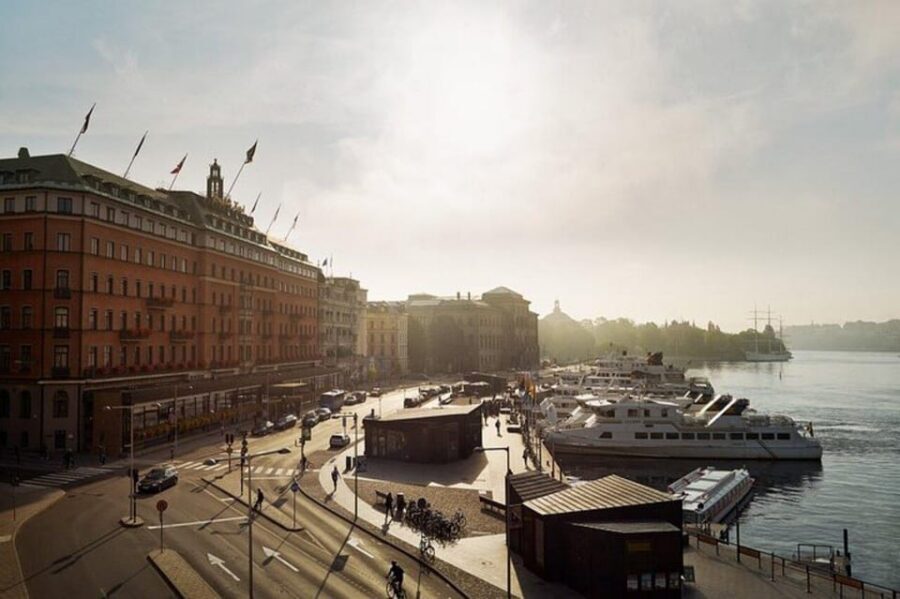
One of the most memorable stretches is Mårten Trotzigs Gränd, the narrowest street in Stockholm. It’s a short walk, but it changes how you experience the city immediately.
This is where Old Town becomes physical. Instead of seeing the city as a map, you feel it as a set of constraints—tight walls, a sense of compression, and a quick shift from open square energy to alley-level closeness. A guide’s narration here makes it more than just a fun fact. You learn how this kind of street fits into the city’s architecture and character.
I’d treat this as your “pause and notice” stop. Don’t just walk through for the photo. Look at the angles, the height-to-width feeling, and the way people naturally slow down in a space like this. It’s one of those travel moments that’s small but unforgettable because it’s so different from modern street design.
Riddarholmen: 17th-century palaces on the water

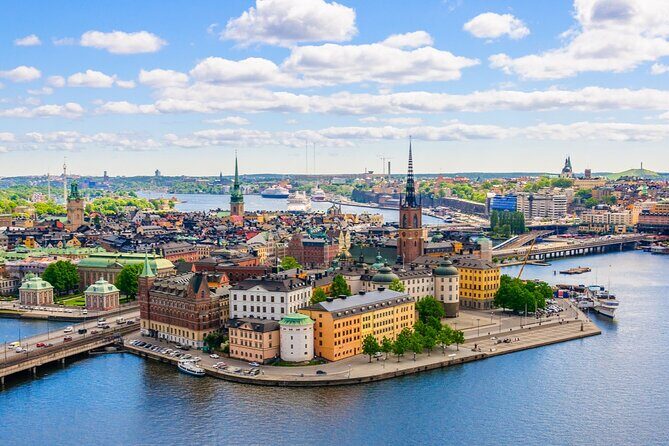
After Mårten Trotzigs Gränd, you’ll head to Riddarholmen, also known as the Knight’s Islet. The big draw here is the presence of historic palaces, including private palaces dating back to the 17th century.
Riddarholmen has a different mood than the palace-city-hall stretch. The guide helps you notice what makes the area feel distinct: the way the buildings relate to the water, the sense of a place that’s long been “important,” and the architectural continuity you don’t get from newer districts.
If you like travel that feels grounded in place, this stop delivers. You’re walking through a part of Stockholm where history isn’t just on plaques—it’s in the scale, the setting, and the survival of older forms.
Also, this is a great time to ask a question of your guide about what kind of people lived in buildings like these. Some guides share how social conditions shaped the city’s development, and that kind of context adds a surprising amount of depth without needing museum time.
Royal Swedish Opera: finish with culture, not just monuments
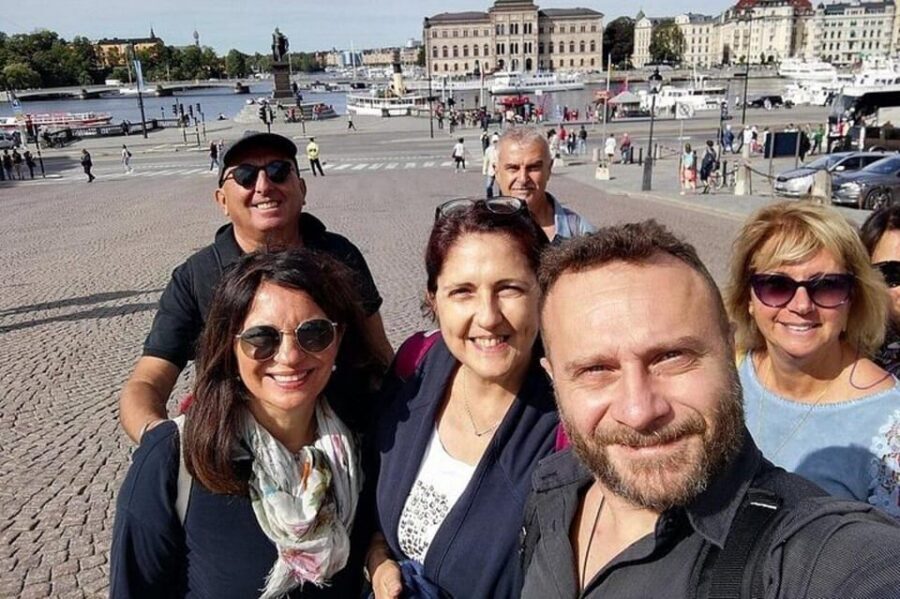
The walk ends at the Royal Swedish Opera. This final stop is a smart contrast: after palaces, crowns, and narrow streets, you land at a cultural institution with major significance in Stockholm’s artistic scene.
Even if you’re not an opera superfan, the building works as a finishing statement. It helps you understand that Stockholm’s identity isn’t only political or architectural—it’s also performance, public culture, and the way a city shows what it values.
If you have energy afterward, hang around a little. Take a few minutes to observe the area and let the tour’s information settle. When a walking tour ends at a cultural landmark, it’s easier to transition into the rest of your day: dinner plans, a calm waterfront walk, or just going back to look at the Old Town streets with fresh eyes.
Price and value for a 3-hour Stockholm walking tour
This tour costs $59 per person and runs 3 hours with a live guide. For Stockholm, that’s a reasonable way to buy time and context instead of paying for multiple separate activities just to get a basic orientation.
Here’s how I think about the value:
- You’re paying for a guide to connect icons you might otherwise treat like disconnected photos.
- You’re getting a compact route that includes the Royal Palace, City Hall, Mårten Trotzigs Gränd, Riddarholmen, and the Opera—a lot for one morning or afternoon.
- You’re also getting flexible guide language options (English, French, Spanish, Italian), which helps if you’re not traveling in English-only mode.
The main trade-off is simple: it’s still a walking tour. If you’re traveling with mobility limits or you’re not used to continuous strolling, you’ll want to plan your day with rest in mind. And since guide style matters, I’d choose this tour especially if you enjoy architecture, symbols, and learning the “why” behind what you’re seeing.
How to get more from your guide (and avoid the flat-feeling tour)
This is where you can tilt the experience in your favor. A guide can be excellent on the big monuments and still miss the smaller, more personal stories—or vice versa. So don’t wait passively.
Try these tactics:
- Ask about symbols you see right away, like the three golden crowns on City Hall. If your guide is good, you’ll get a clear explanation instead of a one-liner.
- Bring a question about daily life in old Stockholm. Some guides share context about Sweden’s social conditions, and that turns historic buildings into something more human.
- Use St George and the dragon as a memory hook. If you ask how legends like that show up in the city’s public spaces, you’ll keep the story thread going.
- If your pace feels brisk, say it early. You’ll get a better result if your guide knows your preference from the start.
Also, keep your expectations realistic. This kind of tour focuses on what you can see and understand while walking—not on private interiors or museum depth. When you know that up front, you’ll judge it fairly.
Who this tour fits best
I think this tour works especially well for:
- First-time visitors who want a guided Old Town route without the stress of planning every stop.
- Travelers who enjoy architecture, street texture, and city symbols more than ticketed attractions.
- People who like short, story-based stops (like the narrow alley and the St George statue) woven into major landmarks.
It might not be your best fit if you’re chasing deep museum-level details or you know you prefer self-guided wandering with no guide narration. In that case, you might want more time for independent exploration.
Should you book the Stockholm Old Town walking tour?
If you want a 3-hour, guide-led overview that hits the Royal Palace, Stockholm City Hall, Mårten Trotzigs Gränd, Riddarholmen, and ends at the Royal Swedish Opera, I’d say this is a solid buy. The route is efficient, the landmarks are genuinely iconic, and the guided context is what turns photos into understanding.
Just go in with the right mindset: wear good shoes, keep one or two questions ready, and don’t expect every guide to pace the same way. When the guide is on point, this walk turns into an easy way to start Stockholm with clarity.
FAQ
Where do I meet the guide?
You meet your guide in front of Max Burgers (starting point around 111 57).
How long is the tour?
The tour lasts 3 hours.
Which sights are included on the route?
You’ll visit Stortorget, the Royal Palace, the St George and the Dragon statue, Stockholm City Hall, Mårten Trotzigs Gränd, Riddarholmen (Knight’s Islet), and end at the Royal Swedish Opera.
What languages are the tours offered in?
The live guide speaks English, French, Spanish, and Italian.
Is the walking tour wheelchair accessible?
Yes, the tour is wheelchair accessible.
Is there a private group option?
Yes, private group tours are available depending on the option selected.
What should I bring, and can I cancel?
Bring comfortable shoes for walking. You can cancel up to 24 hours in advance for a full refund, and you can reserve and pay later to keep plans flexible.