REVIEW · HISTORICAL TOURS
From Stockholm: Viking Culture and Heritage Small Group Tour
Book on GetYourGuide →Operated by Sweden History Tours · Bookable on GetYourGuide
Vikings, but make it real-life Sweden. This 3-hour small-group trip takes you from central Stockholm into Uppland to see runestones, burial sites, and the physical setting behind Viking power. I like how the tour focuses on places you can stand in and look at, not museum-style storytelling, and I also love the guide style here: clear, factual, and tied to what you’re seeing in the landscape. One thing to consider is that it’s outdoors and off the city grid, so cold weather and proper shoes matter.
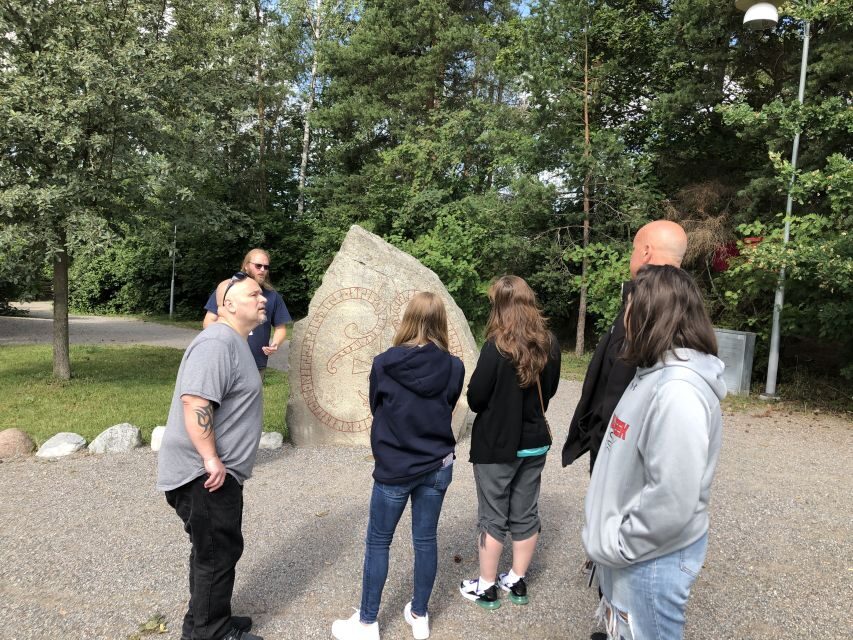
You’ll visit the famous Broby bro burial ground (Jarlabanke Runestones) and hear what Viking burials meant, including the mix of pagan and Christian traditions. Then you move to the Jarlabanke Bridge area and causeway, where raised runestones show how people marked routes and authority in their daily world. The only drawback I’d flag is food isn’t included, so plan a meal stop after, especially if you’re doing this mid-day.
Because the group is capped at 16 people, the pace feels like it’s built for questions. And if your guide is Erik, you’ll get the kind of extra context that makes the stories stick, including practical tips for good Swedish food once you’re back in town. Still, the whole experience is just 3 hours, so don’t expect a long, slow tour of every single site you pass.
In This Review
- Key moments that make this tour worth your time
- From city noise to Viking ground: what this tour really delivers
- Hotel pickup in Stockholm: fast start, easy logistics
- Broby bro burial ground and the Jarlabanke Runestones
- Estrid, pagan to Christian traditions, and what runestones were doing
- Jarlabanke Bridge and the causeway approach: raised stones and real infrastructure
- Arkils tingstad: the remains of a Viking Age parliament
- What the countryside adds (and how to handle it)
- Pace and timing: a smart 3-hour format
- Price and value: why $138 can make sense here
- What to wear and bring when it’s cold out
- Who this Viking Culture and Heritage tour is best for
- Should you book this tour?
- FAQ
- How long is the Viking Culture and Heritage small group tour from Stockholm?
- What sites will we see during the tour?
- Is hotel pickup included?
- How big is the group?
- Is food included in the tour price?
- Do I need to speak Swedish or can I join in English?
- FAQ
- Can I cancel for a full refund?
- Is there a guide on the tour?
- Is the tour only for travelers who are staying near central Stockholm?
- Are gratuities included?
- What is the main theme of the tour?
Key moments that make this tour worth your time
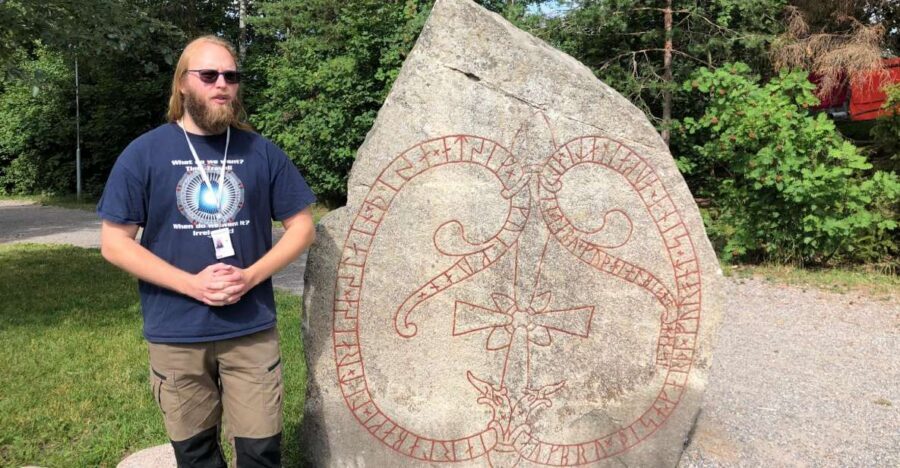
- Broby bro and the Jarlabanke Runestones: Viking burial rites plus major names and symbols carved in stone.
- Estrid in the story: a Viking woman highlighted alongside the political power of the era.
- A reconstructed bridge and the causeway approach: you see how people built connections and marked control.
- Raised runestones by the road: not just to look at, but to understand why they were placed there.
- Arkils tingstad Viking parliament remains: a rare look at how society organized itself, not just battles and raids.
- Small-group size: keeps the tour interactive without feeling rushed by a crowd.
From city noise to Viking ground: what this tour really delivers
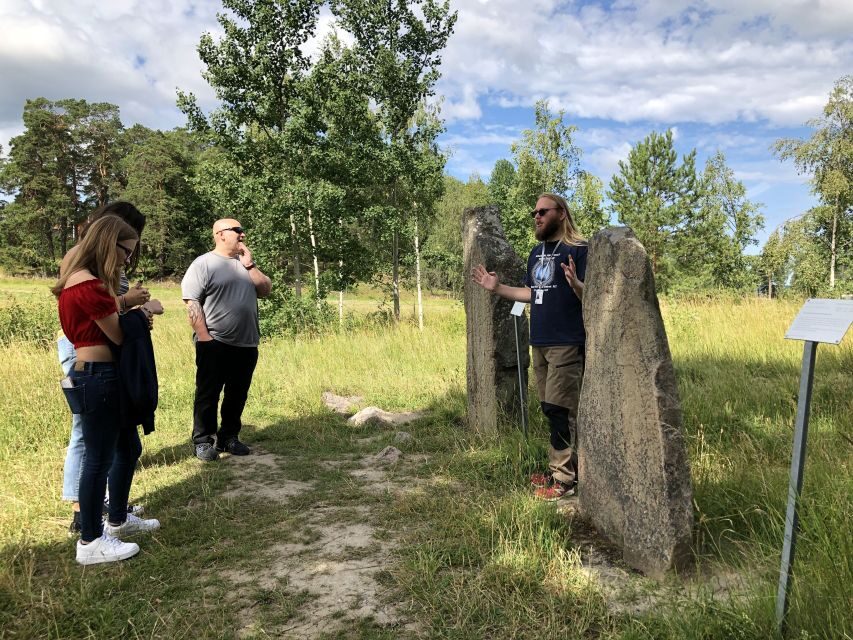
This tour’s best trick is the timing and the setting. You start in central Stockholm, then you get out fast enough that the countryside starts to feel like a separate world. After that, the history doesn’t sit behind glass. You’re looking at burial sites, runestone fields, and old meeting-place remains in real weather and real light.
What I like most is the way the stops connect. The Broby bro burial ground leads naturally to the bridge and causeway area, which then leads to Arkils tingstad. That chain helps you understand Vikings as full-on community builders: people who organized society, marked territory, created infrastructure, and turned beliefs into public statements.
The guide experience is also built for clarity. English explanations are grounded in what you can see right there, and that matters because Viking history can get abstract fast. You’ll come away with concrete images: a burial place tied to big names, runestones set into a wider landscape, and the idea of governance that goes beyond kings and warfare.
Other Viking history tours from Stockholm


Hotel pickup in Stockholm: fast start, easy logistics
Pickup is included if your hotel or accommodation is within 5 kilometers of Stockholm Central Station. That makes meeting the group less of a scavenger hunt and more of a simple morning plan. From there, you head out toward Uppland, where the tour’s key sites sit.
Why this matters: most Viking-themed tours in Scandinavia move you by bus for a while. Here, the tour length is only 3 hours, so those transfer minutes matter. You’re not spending the entire tour on the road. The schedule is tight enough that you’ll feel like you got out to the sites, not just through them.
Broby bro burial ground and the Jarlabanke Runestones
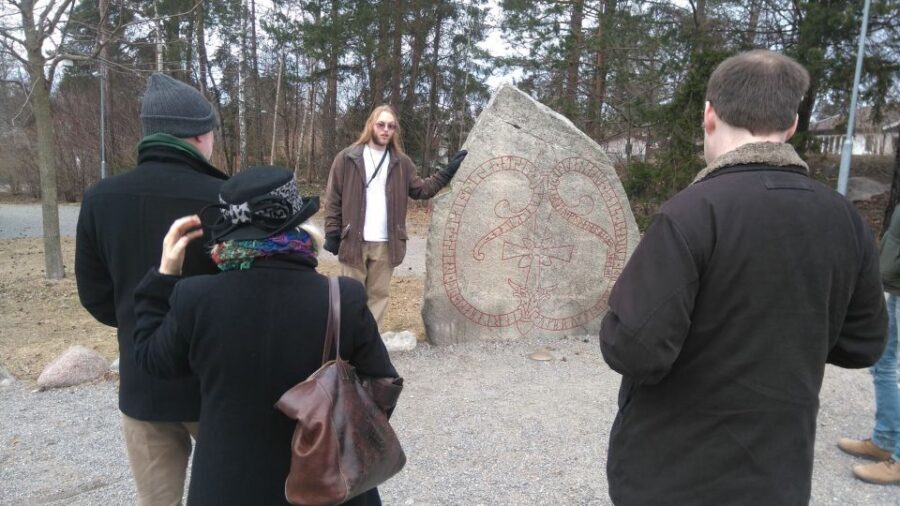
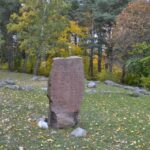
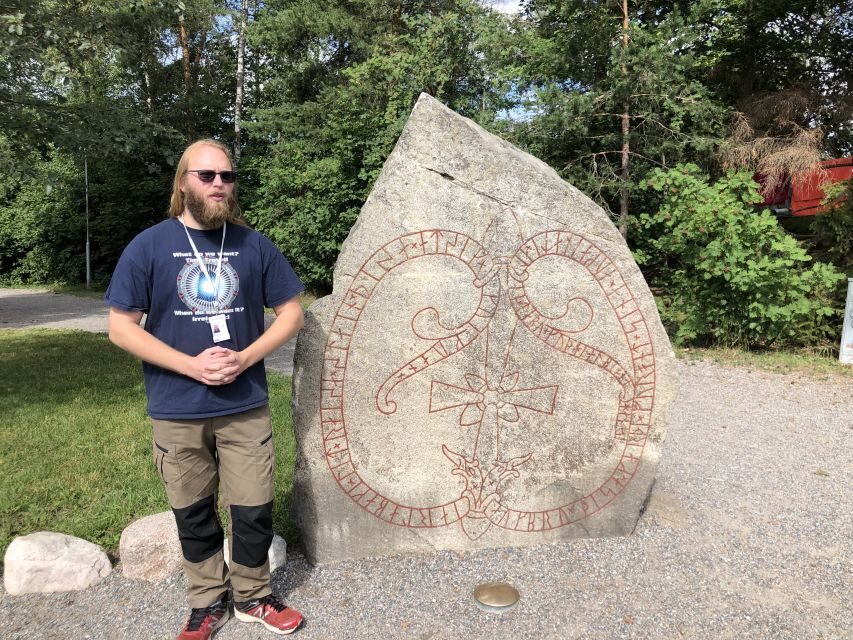
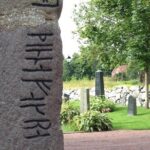
Your first major stop is Broby bro, connected with the Jarlabanke Runestones. This is the kind of place where you quickly realize runes were not just decoration. They were communication—about identity, family, status, and belief.
At Broby bro, you’ll learn about Viking burial rites and hear stories tied to the site. The tour also covers the transition period where pagan and Christian traditions overlap in real life. That’s one of the most useful parts of this stop. You don’t just hear that religion changed. You see how old practices and new influences could coexist.
The guide also highlights Estrid, described as a mighty Viking woman. That’s an important detail because Viking history is often told like it’s only about men. Having Estrid centered in the conversation helps you understand Viking society as layered and more human than the stereotypes.
Estrid, pagan to Christian traditions, and what runestones were doing
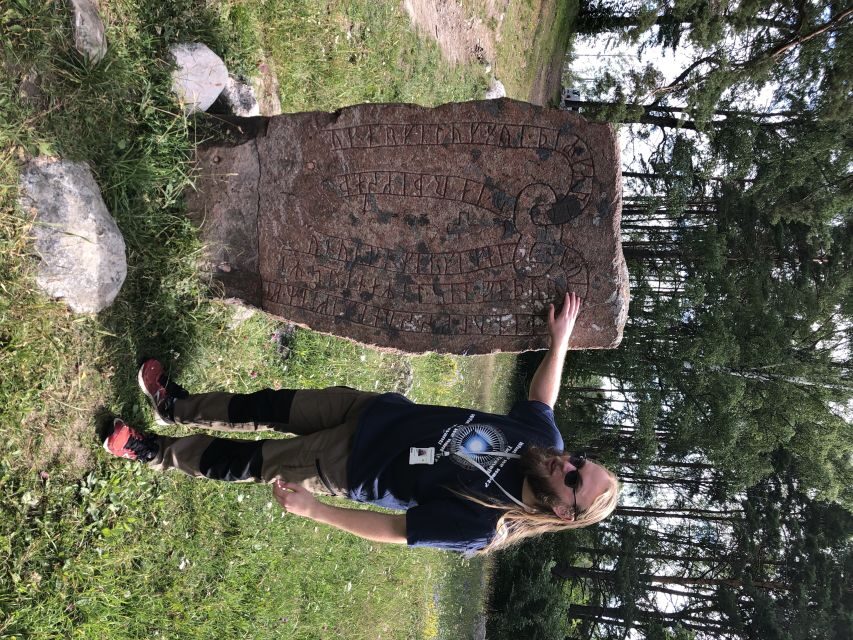
After you take in Broby bro, the story deepens in a practical way. You learn how runestones functioned in Viking life—who had them raised, what kind of messages were carved, and how those carvings acted like public records. Even if you don’t read runes, you’ll get what the stones were meant to say.
The pagan-to-Christian angle is particularly grounded here. Instead of treating it like a clean timeline, you’ll hear about traditions that were present at the same time. That helps you understand why certain Viking-era sites feel like a snapshot of change rather than a single uniform belief system.
If you like history that avoids pop-culture shortcuts, this is the right tone. The focus stays on people, rituals, and what the marks in stone can tell you about everyday power and community.
Jarlabanke Bridge and the causeway approach: raised stones and real infrastructure
Next you move to the Jarlabanke Bridge area at the entrance to a causeway. This is one of the tour highlights because it blends physical place with interpretation. You’re not only seeing a stone marker; you’re walking through the idea of a route—how people moved, crossed land, and connected communities.
You’ll also see a reconstructed Viking bridge and other sites in the Runic Kingdom area. A reconstructed structure can sometimes feel like a theme-park prop, but here it works as a teaching tool. It gives you a shape for the stories you’re hearing: bridges and causeways weren’t optional extras. They were part of control, trade, and access.
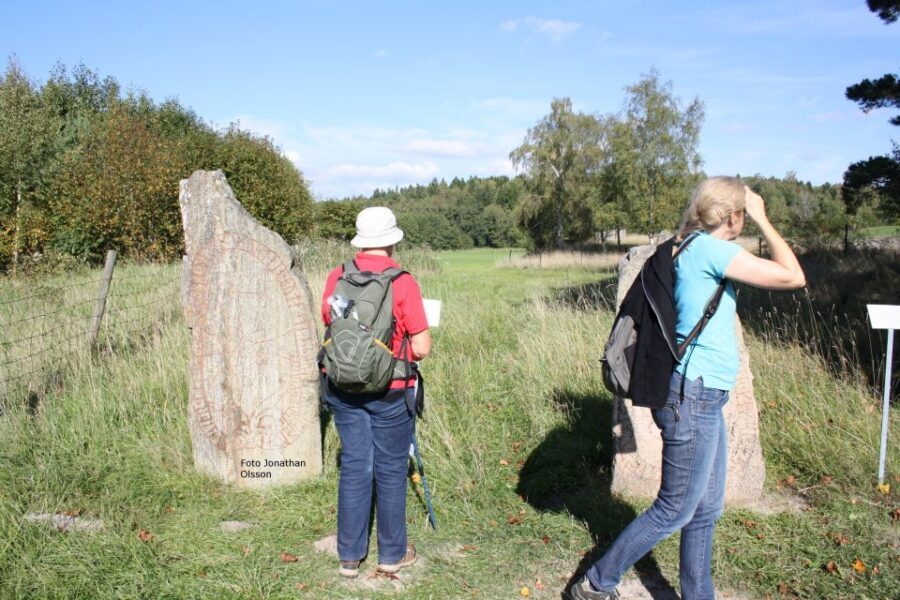
You’ll marvel at raised runestones typical of the Vikings and learn how the Vikings built roads and bridges. That’s a standout because it shifts your mental image of Vikings. Yes, there are graves and clans, but there’s also engineering and planning.
Then you’ll hear the story of Jarlabanke and his clan. The key benefit is that it ties leadership to landscape. Instead of treating names like abstract legends, you connect them to specific locations and the way people marked influence in public spaces.
Other historical tours in Stockholm



Arkils tingstad: the remains of a Viking Age parliament
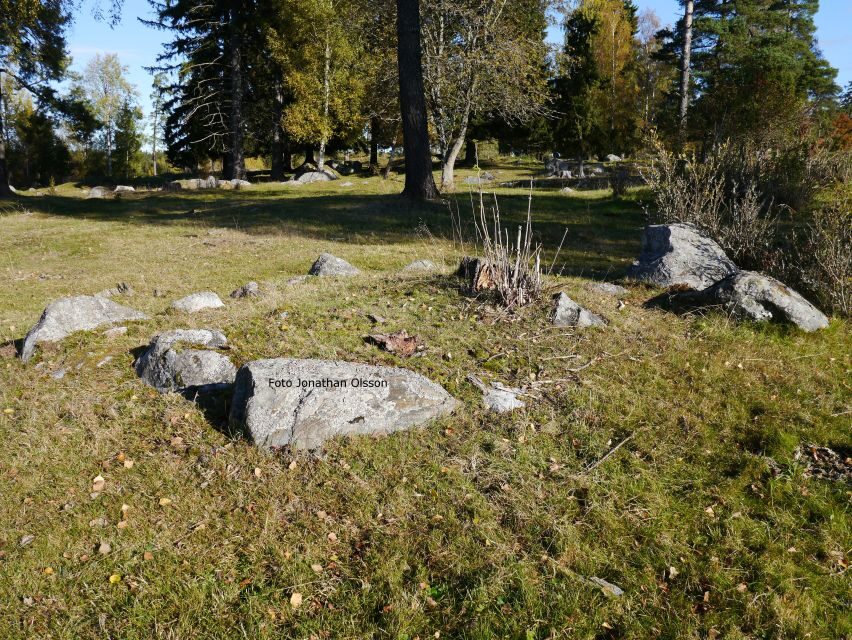
The final big stop is Arkils tingstad, where you visit the remains of a Viking parliament. This is where the tour earns its keep if you’re tired of Viking history being reduced to raids and helmets.
At Arkils tingstad, you’ll learn how Viking society was organized. Think governance as a structure with rules, community involvement, and places where decisions could happen. You’re not just listening to battles; you’re learning about how groups coordinated and managed conflict and agreement.
Even though the site is described in terms of remains, the learning goal is clear: you’re meant to understand the social engine of the Viking world. That changes how you interpret everything you saw earlier. Burial sites and runestones stop feeling like isolated monuments and start feeling like parts of a system that included leadership and collective decision-making.
What the countryside adds (and how to handle it)
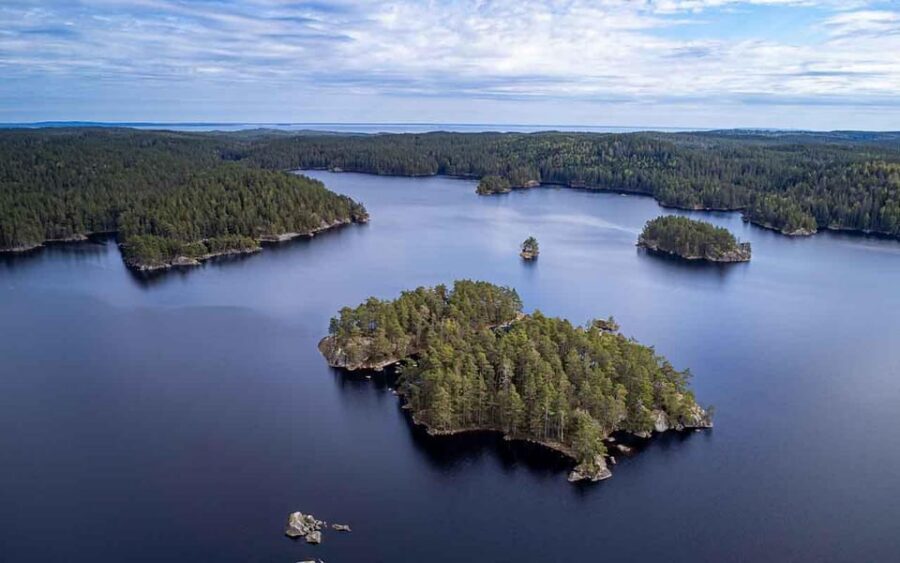
One of the tour’s selling points is the countryside around Stockholm. It’s not just scenic padding. It’s part of how Viking sites make sense. In the city, stones would feel random and distant. In the countryside, they feel like waypoints—places set in a practical geography.
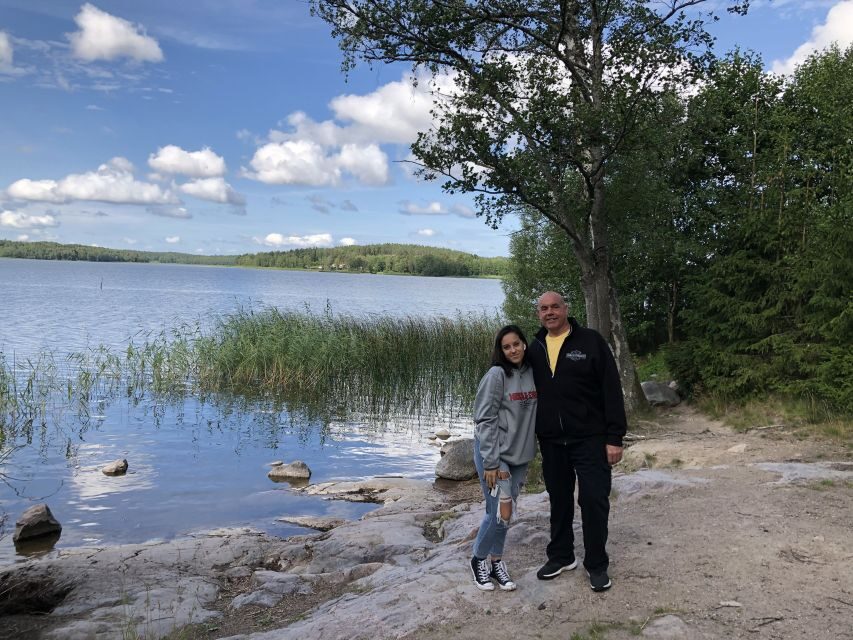
In winter, conditions can add a real sense of what daily life might have been like in harsh weather. In at least one experience described, the tour ran in snow and around -10°C, passing through a forest full of Viking ruins and leading to a frozen lake. You might not get the exact same scenes every time, but the lesson is consistent: bring gear for cold, uneven ground, and outdoor time.
Pace and timing: a smart 3-hour format
The tour lasts 3 hours. That’s long enough to hit the core sites and get coherent stories, but short enough that it doesn’t feel like a full day commitment.
For you, that means two things:
- You can schedule it even if you’re only in Stockholm briefly.
- You’ll still have time afterward to plan a meal and possibly another short activity in the city.
Because the group is kept small (no more than 16), the pace stays human. You’re not stuck listening from the back with no chance to ask questions. And the guide can adapt to your curiosity without slowing the tour into a crawl.
Price and value: why $138 can make sense here
The price is $138 per person for a 3-hour tour. On paper, that’s not cheap, especially compared with free walking in central Stockholm. But you’re paying for three things that add real value: transport to the countryside, a live English guide, and access to multiple specialized historical sites in a tight schedule.
Hotel pickup and drop-off (within the 5 kilometers of Stockholm Central Station radius) is another value point. It removes planning work from your day. And “small group” isn’t just marketing here—it supports better interaction and a smoother pace at outdoor stops.
Also, this tour avoids the usual trap of Viking storytelling that’s mostly entertainment. The focus is historical and site-based, which is why it tends to work well for people who want facts and context rather than a film-like vibe.
If you want Viking history but you don’t want a full-day drive and you do want guided explanation at actual sites, this price can feel fair for what you get.
What to wear and bring when it’s cold out
This is an outdoors tour, so pack like the weather matters because it does. One experience described extreme winter conditions, with snow and temperatures around -10°C, and the biggest takeaway was simple: bring warm layers and footwear that can handle snow and cold ground.
I’d plan on:
- Warm gloves and a hat or hood
- Layers you can adjust as the vehicle ride vs. walking changes
- Shoes with grip for uneven outdoor surfaces
And since food isn’t included, you should plan water and snacks if you tend to get hungry, or decide where you’ll eat in Stockholm after the tour.
Who this Viking Culture and Heritage tour is best for
This tour is a great fit if you want Viking history that feels grounded in geography and community life. It’s especially good for you if:
- You like explanations tied directly to specific sites (runestones, burial grounds, meeting-place remains).
- You want less of the TV-and-movie vibe and more of how society actually worked.
- You enjoy a short, focused excursion that doesn’t swallow your entire day.
It’s also a solid choice for first-time visitors to Stockholm who want a “beyond the city” experience without planning a complicated day trip. The small-group size helps if you like talking to your guide and staying involved rather than just following a crowd.
Should you book this tour?
Book it if you want a tight, guided Viking tour that connects burial rites, runestones, infrastructure like bridges and causeways, and Viking society organization at Arkils tingstad. The $138 price feels most worth it when you value transport, expert interpretation, and a small group that keeps the experience personal.
Skip it or reconsider if you’re expecting a long day, indoor museums, or food included. Also think twice if cold weather makes you miserable and you won’t dress for it. Otherwise, this is a smart way to leave Stockholm for a few hours and come back with a clearer picture of Vikings as builders of community—not just characters from stories.
FAQ
How long is the Viking Culture and Heritage small group tour from Stockholm?
The tour lasts 3 hours.
What sites will we see during the tour?
You’ll stop at Broby bro (Jarlabanke Runestones), visit the Jarlabanke Bridge area and causeway with runestones, and visit Arkils tingstad, the remains of a Viking parliament.
Is hotel pickup included?
Yes. Pickup and drop-off are included if your accommodation is within 5 kilometers of Stockholm Central Station.
How big is the group?
The group is kept small, with no more than 16 people.
Is food included in the tour price?
No. Food is not included.
Do I need to speak Swedish or can I join in English?
The live tour guide speaks English.
FAQ
Can I cancel for a full refund?
Yes. You can cancel up to 24 hours in advance for a full refund.
Is there a guide on the tour?
Yes. The tour includes a driver and guide, with a live English-speaking guide.
Is the tour only for travelers who are staying near central Stockholm?
Pickup is included only for hotels and accommodation within 5 kilometers of Stockholm Central Station.
Are gratuities included?
No. Gratuities are not included.
What is the main theme of the tour?
The tour focuses on Viking culture and heritage, including runestones, Viking burial rites, bridge/causeway sites, and Viking society organization.