REVIEW · GAMLA STAN & OLD TOWN TOURS
Stockholm Old Town and the Vasa Museum, a Small Group Walking Tour.
Book on Viator →Operated by Stockholm DriveAndGuide · Bookable on Viator
Start in Old Town, end under a ship. This 3-hour small-group tour strings together the stories behind Gamla Stan’s sights and finishes with an included, guided Vasa Museum visit.
Two big wins are the entry to Vasa Museum included (so you avoid long lines), and the guide’s access—there’s room for real questions, not just a headset shuffle.
Only heads-up: it’s a walking tour on cobblestones, and your legs do about 1.5 miles in Old Town plus another short stretch after the ferry. If you want zero stairs and zero uneven surfaces, plan something else.
In This Review
- Five things that make this tour work so well
- Old Town orientation with skip-the-line Vasa Museum
- The game plan: 10 people, about 3 hours, and manageable walking
- Price and value: about $126 for a guided overview plus Vasa entry
- Riddarholmen and lake views: learning Stockholm’s origins from the water
- Riddarhuset to the Royal Palace: power, religion, and guard moments
- Stortorget and Carl XIV Johan: why Nobel Square fits Old Town
- Ferry to Djurgården: the scenic break that keeps the day from burning out
- Inside the Vasa Museum: the guided story that makes the ship hit harder
- What you can do after the tour on Djurgården
- Who this tour is best for (and who should skip it)
- Should you book this Stockholm Old Town and Vasa Museum tour?
- FAQ
- How long is the Stockholm Old Town and Vasa Museum tour?
- Is entry to the Vasa Museum included?
- Do we take a ferry during the tour?
- How much walking is involved?
- What language is the tour offered in?
- What group size should I expect?
- Where is the meeting point?
- Is there free cancellation, and how far in advance can I cancel?
Five things that make this tour work so well

- Small group (max 10): you can ask questions and get your bearings faster.
- Vasa Museum included: no ticket scramble on arrival.
- Ferry to Djurgården: a nice change from street-walking and a scenic break.
- History by locations: the route is built around people, power, and turning points.
- Easy-to-follow pace: you’ll walk slowly with photo stops, not a march.
Old Town orientation with skip-the-line Vasa Museum
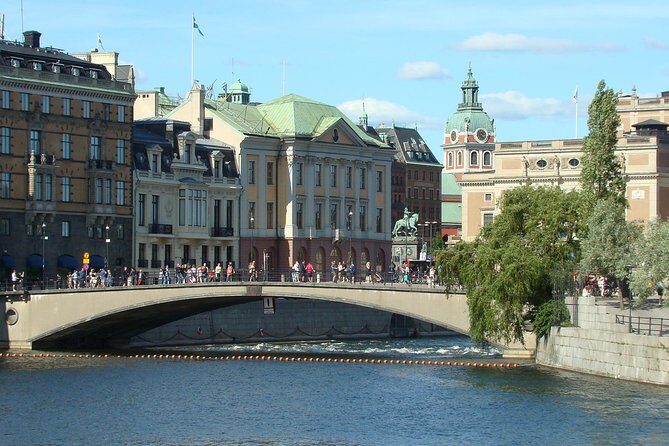
If it’s your first time in Stockholm, you’ll love how this tour gives you a spine for the city. You’re not just ticking off pretty buildings. You’re learning who held power, what changed (religion included), and why certain places matter—while you’re standing right in front of them.
The structure is simple: Old Town first, then a ferry ride, then the Vasa Museum. That flow is great because your brain soaks up the city’s stories while you’re walking through them, and then the ship becomes the dramatic finale. It’s also a smart value move that you get Vasa Museum entry included. When you’re on a tight travel schedule, saving time waiting in lines can be the difference between a “nice visit” and a “we rushed it.”
Other Gamla Stan and Old Town tours in Stockholm

The game plan: 10 people, about 3 hours, and manageable walking
This runs about 3 hours and keeps the group to 10 travelers max. That small size matters more in Stockholm than you might expect. Gamla Stan is compact, full of angled streets, and busy with tour groups. A small group means your guide can slow down when people need it and make photo stops without the whole line getting stretched out.
The walking is listed as about 1.5 miles (2.4 km) through Old Town, then about 0.5 miles after the ferry to reach the museum. Add photo breaks and time at each stop, and it still stays doable for “moderate physical fitness,” especially if you wear comfortable shoes. The cobblestones are the real test—not distance.
If you’re traveling with someone who hates uneven paving stones, you’ll want to go in knowing this is still a walking day. But if you’re okay with slow strolling and standing still for viewpoints, this tour fits well.
Price and value: about $126 for a guided overview plus Vasa entry

At around $125.77 per person, you’re paying for three things: (1) guided context that turns sights into stories, (2) a ferry segment that breaks up the walking, and (3) included Vasa Museum admission. The last part is key. The Vasa Museum is popular, so skipping the ticket-line moment saves energy for actually enjoying the museum.
Also, you’re not paying for just “standing by a landmark.” The tour is built around multiple stops that connect themes—early settlement, royal power, religious change, and national identity—so you leave with a clearer sense of how Stockholm became Sweden’s capital.
If you were planning to do Vasa anyway, this isn’t just an extra add-on cost. It bundles a guided introduction that helps you understand what you’re seeing inside.
Riddarholmen and lake views: learning Stockholm’s origins from the water
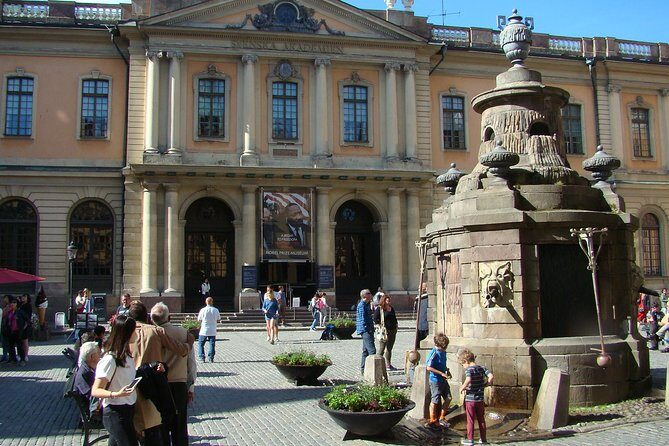
You start at the Gamla Stan Metro area, underground, in front of the Pressbyrån kiosk. That’s a small detail, but it matters: being inside the metro area keeps you from scrambling in the first minutes and helps you get moving on time.
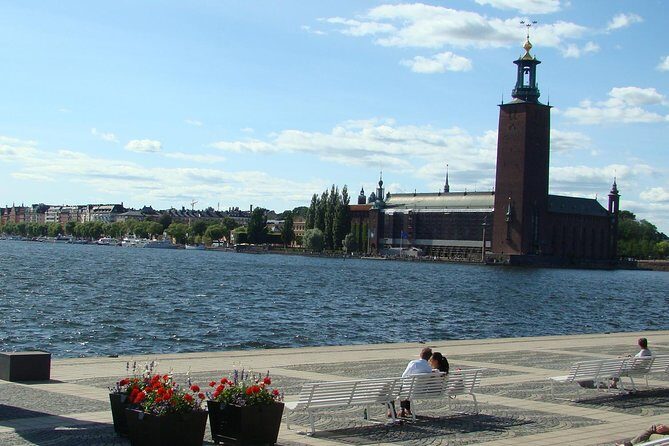
Stop one brings you to Riddarholmen, where the guide frames Stockholm’s story from far earlier than most first-timers expect. You’ll hear about how the region developed from ancient times through the early settlements on the islands. Then it gets visual. You get a viewpoint over lake Mälaren with Stockholm City Hall in sight. Even if you’ve seen photos before, this is the moment where the city “clicks” as water-and-islands geography, not just streets.
Next you head to Riddarholmen Church area and the statue tied to Birger Jarl—the presumed founder of Stockholm. The tour anchors that to the written record year, 1252, which is when Stockholm first appears in surviving text. That kind of specific anchor point is why the walk feels more grounded. You’re not only listening to legends; you’re learning what’s documented.
Riddarhuset to the Royal Palace: power, religion, and guard moments
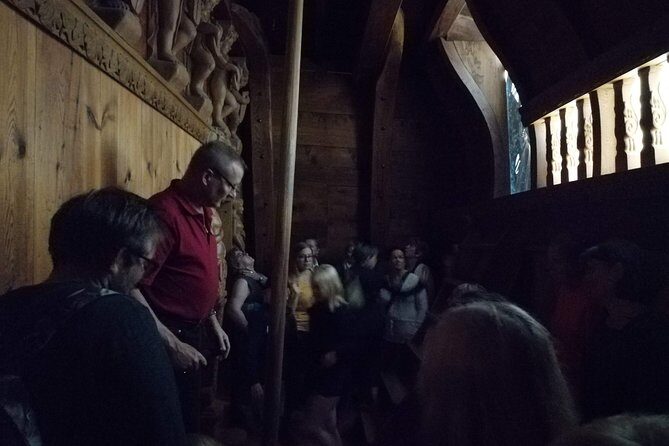
From Riddarhuset (the House of Nobility), you’ll stand near the statue of Gustav Vasa, often described as the father of Sweden. The guide links him to major turning points: the year 1523, the uprising against outside control, and the shock of the Bloodbath of Stockholm. You’ll also hear about the religious shift Sweden made from Catholicism to Lutheran Protestantism.
This stop is more than a photo opportunity. It helps you understand why you’ll see so many royal and national symbols across Old Town. Stockholm is full of monuments that look decorative until you know what conflict or change they’re tied to.
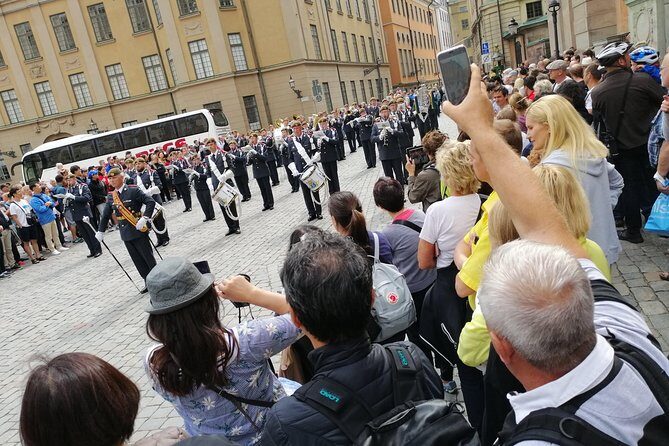
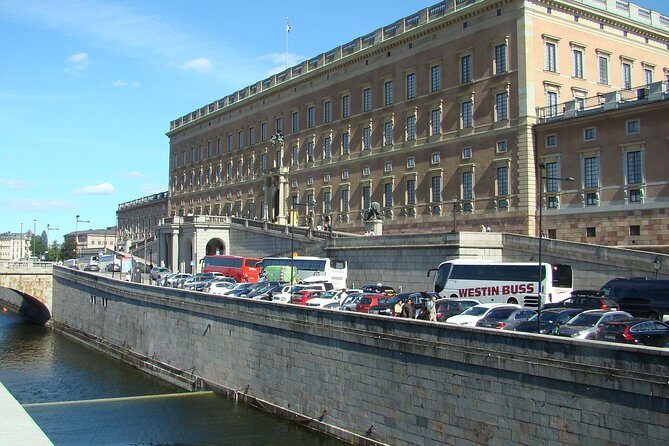
Then comes the Royal Palace. You enter the outer courtyard and see guards dressed in uniforms that nod to earlier eras. If you’ve ever wondered why the palace feels theatrical from the outside—this is your answer. You’ll also go up toward Slottsbacken, where you get a beautiful view over the inner harbor. This is the part of the tour that feels like a reset. After all the history stops, you get sky, water, and the visual layout of the city.
And yes, you’ll make time for smaller moments too. There’s a quick stop for Jarnpojken, often described as Sweden’s smallest and nicest statue. Even if you don’t care about tiny art objects, these micro-stops keep the walk from turning into one long lecture.
Other Vasa Museum tours weve reviewed in Stockholm






Stortorget and Carl XIV Johan: why Nobel Square fits Old Town
Your walk continues to Stortorget, where the Nobel Prize Museum is located. It’s an interesting pairing: a square tied to power and old Stockholm, now linked to modern recognition for science and arts. The guide connects this with how Swedish academies select Nobel winners in multiple fields.
From there, you move along through Old Town and reach a stretch where Swedish national identity gets the spotlight. You’ll hear about Carl XIV Johan, the first king of the Bernadotte line, and how Sweden used diplomacy rather than chasing wars. The tour notes a period of building and development—infrastructure and education—and then zooms ahead to the idea of peace celebrated in 2014. The point isn’t just dates. It’s the arc from conflict to a welfare-state foundation supported by industrial changes, natural resources, inventions, and later development by entrepreneurs.
If you’ve ever left a historical site feeling like the facts didn’t stick, this is one of the tour’s strengths. It ties people to outcomes you can recognize as modern Sweden’s shape.
Ferry to Djurgården: the scenic break that keeps the day from burning out
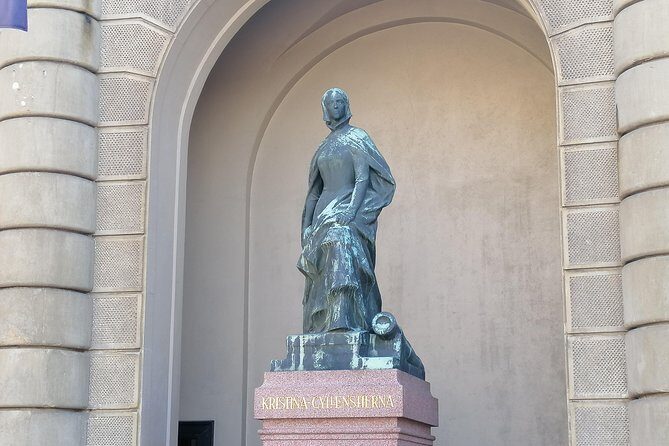
The tour shifts at Skeppsbron 26, where you take the ferry Djurgårdsfärjan to Djurgården. This is one of the smartest design choices in the whole day. You get a breather for your feet and a different angle on the city—without adding complicated transit.
It’s also a time buffer. When a walking tour is heavy on cobblestones, that ferry moment keeps you from feeling like the whole day is only about endurance. You get rest, you rehydrate, and you arrive ready to focus in the museum.
After you land, there’s a short walk—about 0.5 miles—to reach the Vasa Museum. This is long enough to keep momentum but short enough that you don’t feel punished.
Inside the Vasa Museum: the guided story that makes the ship hit harder
The best part: Vasa Museum entry is included, and your guide gives you an orientation before you wander deeper. The guided portion covers the ship’s dramatic story—how the Vasa capsized on its maiden voyage (soon after setting sail), and how it was salvaged more than 300 years later.
That guided start helps in two ways.
First, it gives you a framework. Without it, you’d still see an incredible ship. But with it, you start noticing details that connect to why the ship ended the way it did and why the recovery became such a landmark event.
Second, the guide helps you pace your attention. The museum has a lot going on, and it’s easy to miss the “why this mattered” moments if you just wander.
When the guided portion ends, you’re welcome to stay and explore at your own pace. Many people plan about 1.5 to 2 hours in the museum, which is a good range if you want to actually read displays and not just take quick glances.
What you can do after the tour on Djurgården
Since your tour ends at the Vasa Museum on Djurgården, you’re in a great spot for an afternoon loop. The tour info points out other popular island options—ABBA Museum, Viking Museum, the amusement park Gröna Lund, and Skansen—all on Djurgården.
You don’t need to do everything. The smartest move is to match your mood: if you’re museum’d out, take a slower wander on the island area. If you’re energized, add one more attraction. Either way, starting your day on Old Town and finishing on Djurgården gives you two very different sides of Stockholm without changing cities or juggling transport.
Who this tour is best for (and who should skip it)
This is ideal if you want:
- A first-day overview that helps you understand what you’re seeing across Gamla Stan
- A guided introduction to the Vasa Museum so the ship’s story lands
- A small group experience with real access to the guide
- A day that mixes walking with a scenic break via ferry
It’s less ideal if you:
- Have trouble with uneven cobblestones
- Want a mostly “sit-down” tour with minimal walking
- Need long museum time (the guided portion is shorter, and you’ll need to plan your own extra time)
If you’re comfortable with a couple of miles of gentle walking across historic streets, this one is a strong, efficient use of your time.
Should you book this Stockholm Old Town and Vasa Museum tour?
I’d book it if you’re trying to get two big hits—Gamla Stan orientation and a high-impact Vasa Museum visit—without spending your limited hours fighting ticket lines or getting lost in the city’s layers. The included Vasa entry is a clear value driver, and the small-group size is what makes the history feel personal instead of rushed.
If you hate walking on cobblestones, or you want the ship museum to eat up half the day, you might pick a different format. But for most first-time visitors, this tour is a smart first move: you leave with stories in your head and a clear sense of where to go next.
FAQ
How long is the Stockholm Old Town and Vasa Museum tour?
The tour runs about 3 hours.
Is entry to the Vasa Museum included?
Yes. Vasa Museum admission is included, and the guide provides a short orientation at the start.
Do we take a ferry during the tour?
Yes. You’ll take the ferry Djurgårdsfärjan from Skeppsbron to Djurgården.
How much walking is involved?
In total, it’s about 1.5 miles (2.4 km) in Old Town plus about 0.5 miles after the boat ride to reach the museum. The pace is slow with photo stops.
What language is the tour offered in?
The tour is offered in English.
What group size should I expect?
It’s a small group with a maximum of 10 travelers.
Where is the meeting point?
You meet at Munkbrogatan 8. The guide meets you downstairs in the Gamla Stan metro station (underground) in front of the Pressbyrån kiosk.
Is there free cancellation, and how far in advance can I cancel?
Yes. You can cancel for a full refund up to 24 hours before the experience starts.