REVIEW · CHRISTMAS & SEASONAL TOURS
Stockholm: Evening Wildlife Safari with Midsummer Meal
Book on GetYourGuide →Operated by Stockholm Adventures · Bookable on GetYourGuide
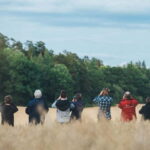
Moose in the twilight is the main draw. This Stockholm evening wildlife safari takes you out of the city and into rural Sweden as it gets dark, with a good shot at moose, roe deer, wild boar, and hare. You also add something extra here: a traditional midsummer meal outdoors, not a rushed snack between stops.
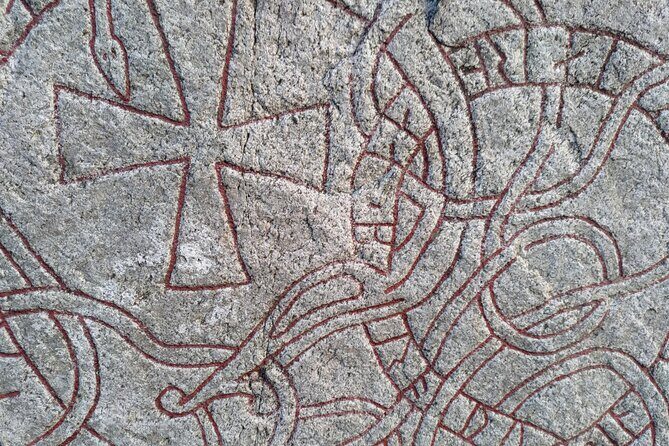
I like the way it mixes wildlife watching with Swedish countryside history. You’re not only scanning meadows and woodlands; you also pass Viking runestones and 17th-century manor houses and cottages while you travel.
One heads-up: wildlife viewing is never guaranteed. Even with a great guide and binoculars, you might end up with plenty of deer (or just a single moose sighting, if you’re lucky).
In This Review
- Key Points You’ll Care About
- Why This Safari Works So Close to Stockholm
- Meeting at Kungsbrostrand 21 and the 4-Hour Rhythm
- The Midsummer Camp Meal: Real Swedish Food in the Woods
- Moose, Roe Deer, Wild Boar, and Hare: What You’re Actually Searching For
- The Viking Runestones and 17th-Century Cottages Part
- Who Will Love This Tour (and Who Should Skip It)
- Price and Logistics: Does $177 Feel Fair?
- Practical Tips That Actually Help
- Final Call: Should You Book This Stockholm Evening Safari?
- FAQ
- Where is the meeting point?
- When do tours depart?
- How long is the tour?
- How big is the group?
- What wildlife are you looking for?
- What’s included in the tour?
- Is there a food or cancellation safety net?
Key Points You’ll Care About
- 20 minutes from central Stockholm, yet feels wild once you leave the city lights behind
- Small group (max 8) for easier chatting, better spotting, and fewer crowds
- Binoculars included, plus a guide who helps you read the habitat
- Midsummer meal at an outdoor camp, with time to slow down before the search
- Viking runestones and 17th-century cottages along the route, so it’s more than a drive
- Evening timing depends on sunset, so departure windows shift through the season
Why This Safari Works So Close to Stockholm
Stockholm is built for museums and waterways. This tour is built for something else: the moment the forest turns into a hunting map. As the sun drops, animals become more active, and your guide knows how to work that timing.
The big win is the location. You start in the city, then you’re out in rural areas fast—reported as about 20 minutes from Stockholm city center. That matters because you get more of your 4 hours in the right environment, instead of burning time on a long transfer.
I also like the mix of expectations. You’re not promised guaranteed moose. You’re promised a guided evening wildlife search, a short hike, and a meal that fits the midsummer theme. That gives the trip value even on the “no big animal” nights, because the outdoor camp and countryside stops are still the point.
Other wildlife and moose safari tours in Stockholm

Meeting at Kungsbrostrand 21 and the 4-Hour Rhythm
The meeting point is Kungsbrostrand 21, at the ICEguide / Stockholm Adventure shop. Plan to arrive 15 minutes early. Arriving late can mean you miss the tour—this is a small-vehicle setup and they can’t wait around.
From there, you’ll board a small, comfortable minivan. It’s a practical detail, but it changes the whole feel of the outing. A van ride is intimate compared with bigger buses, so you’ll actually hear the guide and talk with your group before the search starts.
Departure times run between 3:30 PM and 8:30 PM, depending on sunset. That’s smart planning: evening wildlife works best when light and temperature shift. In plain terms, the schedule isn’t fixed to the clock. It’s fixed to nature.
Duration is 4 hours, and the structure is straightforward:
- Drive out and settle in with your guide and group
- Short forest time
- Mid-summer meal at an outdoor camp
- Wildlife searching through meadows and woodlands after sunset
- Return to the city once the light is gone
There’s also an important operational note: the tour runs if there are at least two participants. If not, you’ll be offered an alternative or a full refund.
The Midsummer Camp Meal: Real Swedish Food in the Woods
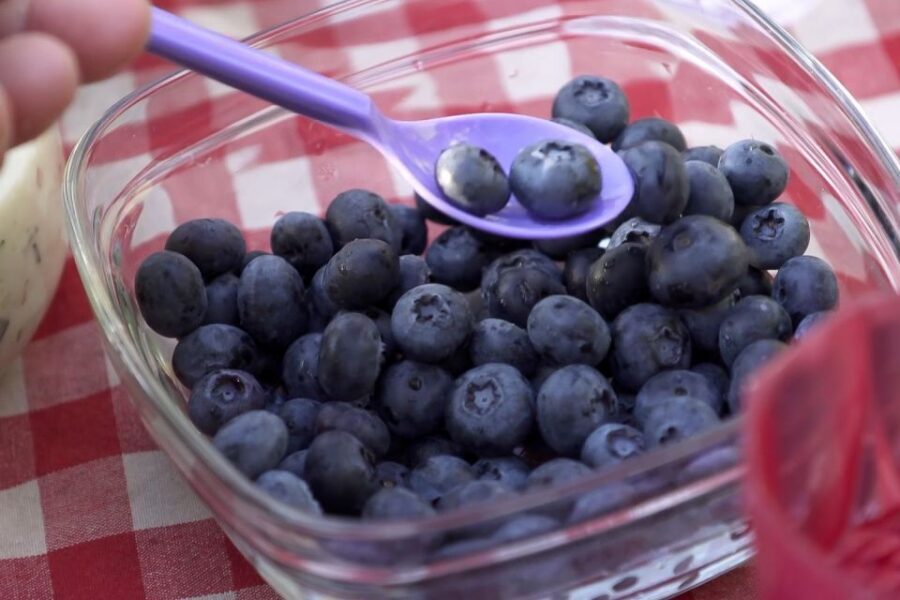
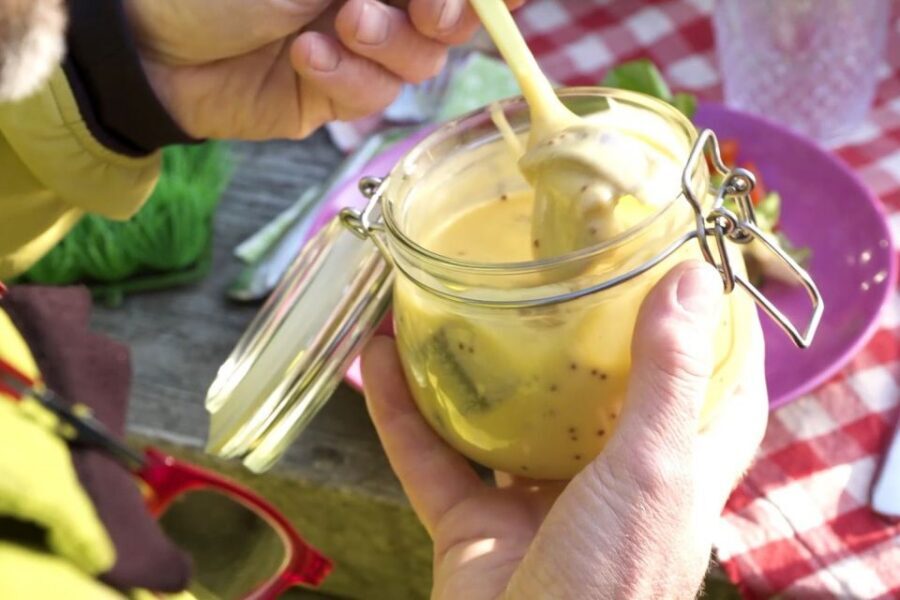
This is one of the reasons I’d pick this over a basic “watch animals from the road” option. You get a traditional Swedish midsummer meal at an outdoor camp, and the timing is built in before the darker wildlife part.
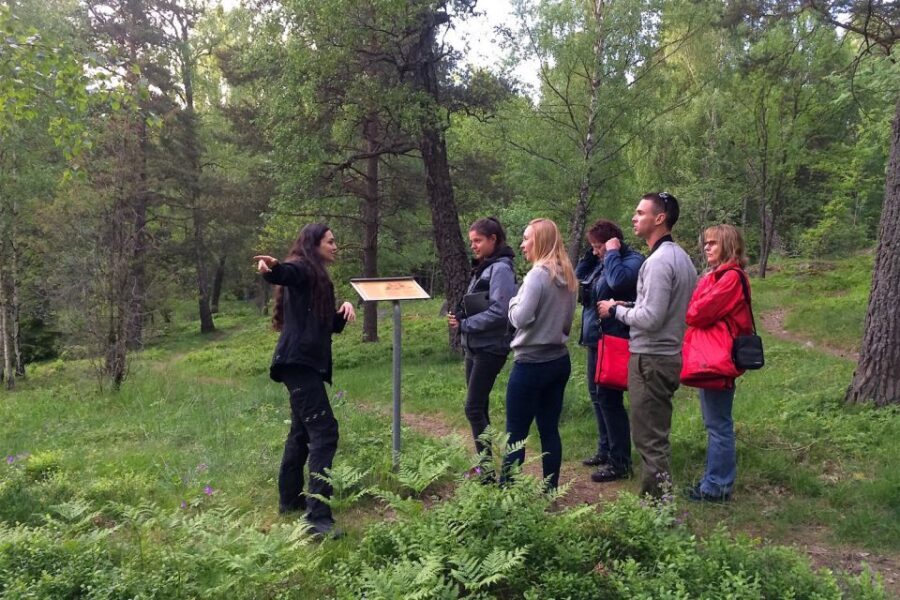
At the camp, your guide uses the meal time to explain the habitat around you and how the animals use it. That’s not just talk for entertainment—it helps you start spotting with your brain turned on. Once you understand what the guide is scanning for, your eyes get better fast.
I’ve seen midsummer described as a cozy, shared break from travel pace. The meal includes time to sit, eat, and talk with people from different places. It’s also a nice reset after driving—this part makes the whole evening feel like an experience, not a checklist.
And yes, even if you only see one moose (or none), the camp meal keeps the evening from feeling like a bet you lost.
Moose, Roe Deer, Wild Boar, and Hare: What You’re Actually Searching For
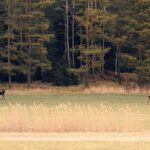
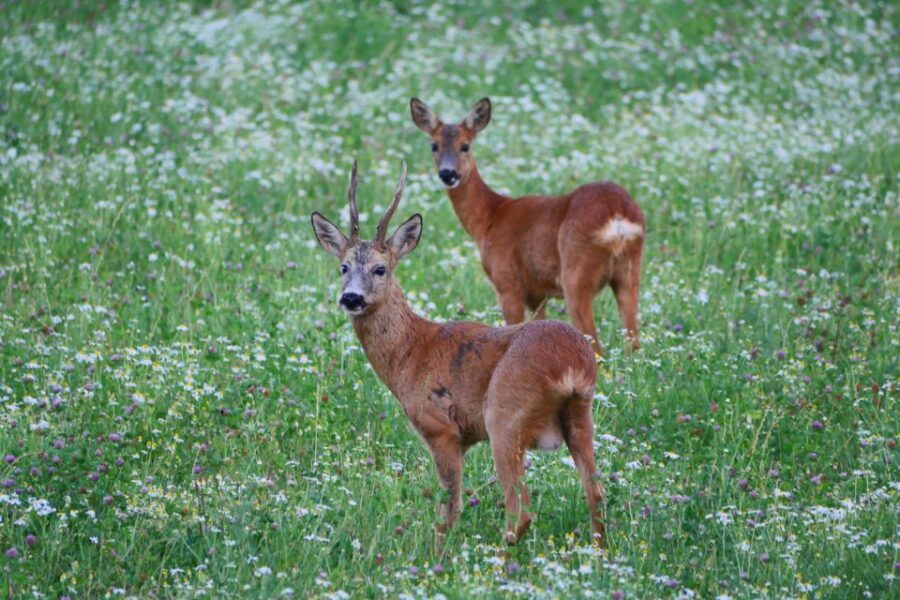
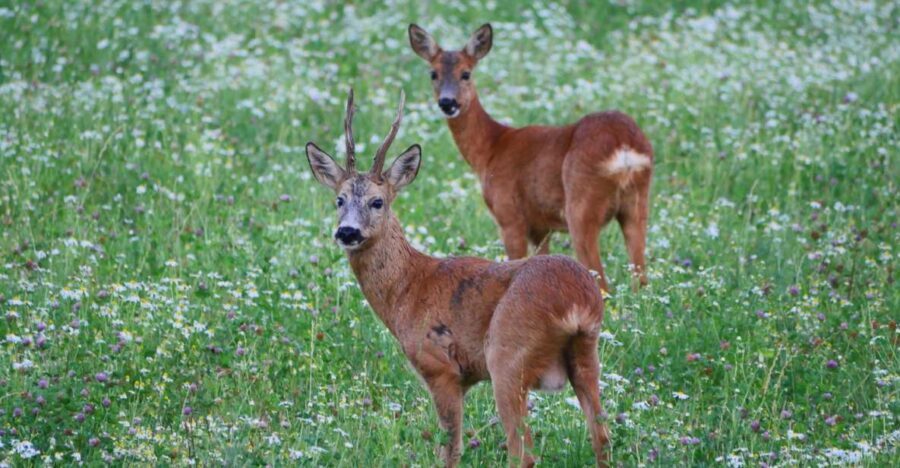
The target list is clear: moose, wild boar, roe deer, and hare. You’ll be looking in meadows and woodlands outside Stockholm, guided along the way.
Your guide isn’t just driving and hoping. They’re actively helping you read the landscape through signs you might otherwise miss—track-like hints, animal movement patterns, and where animals tend to feed or pause.
Binoculars are included, which is a big deal in this kind of tour. If you’re the kind of person who likes wildlife photography, it also means you can actually see what’s happening without guessing at distance.
Now, the reality check: wildlife is unpredictable. Even strong guides can’t command moose to show up on schedule. Some outings are all about deer and small movement, and then a moose appears like it’s late to the party. Other outings focus more on the broader ecosystem (birds, deer activity, and forest edges).
If you treat it like a guided search—rather than a guaranteed sighting—you’ll enjoy it more.
The Viking Runestones and 17th-Century Cottages Part
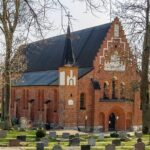
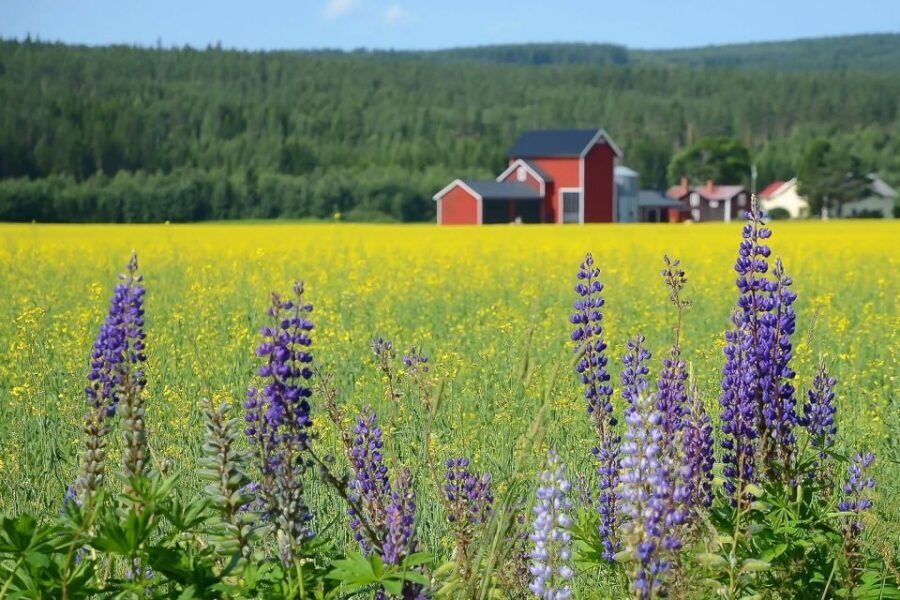
A lot of animal tours ignore everything else. This one doesn’t. As you move through rural areas, you pass sites that connect the present forest to older Sweden—like Viking runestones and 17th-century manor houses and cottages.
Why this matters: it makes the drive feel purposeful. You’re not just transferring between spotting points; you’re seeing rural architecture and historic markers that help you understand why these areas have stayed “animal-friendly.” Older estates and village patterns often mean long-lived wood edges, fields, and travel routes—exactly the kind of habitat animals use.
It also adds a different kind of satisfaction. Even if you’re watching for moose, you’ll still get that “Sweden outside the city” feeling every time you catch the view of a red cottage or a stone marker along the road.
Other Christmas and seasonal tours in Stockholm

Who Will Love This Tour (and Who Should Skip It)
This tour fits best if you want an evening with three ingredients:
- Wildlife searching with a guide
- A traditional Swedish outdoor meal
- Some historic countryside scenery
You’ll likely enjoy it if you’re traveling with friends or as a couple and want something more personal than a big group excursion. The small group limit of 8 participants matters because it makes spotting easier. Fewer people means fewer heads blocking views, and it’s easier to ask questions when the guide stops.
It’s also a good match for history-friendly travelers. The runestones and manor/cottage stops give the evening a second theme besides animals.
Skip it if you’re traveling with children under 10. The activity isn’t designed for that age group, and it includes a forest component plus evening timing.
Price and Logistics: Does $177 Feel Fair?
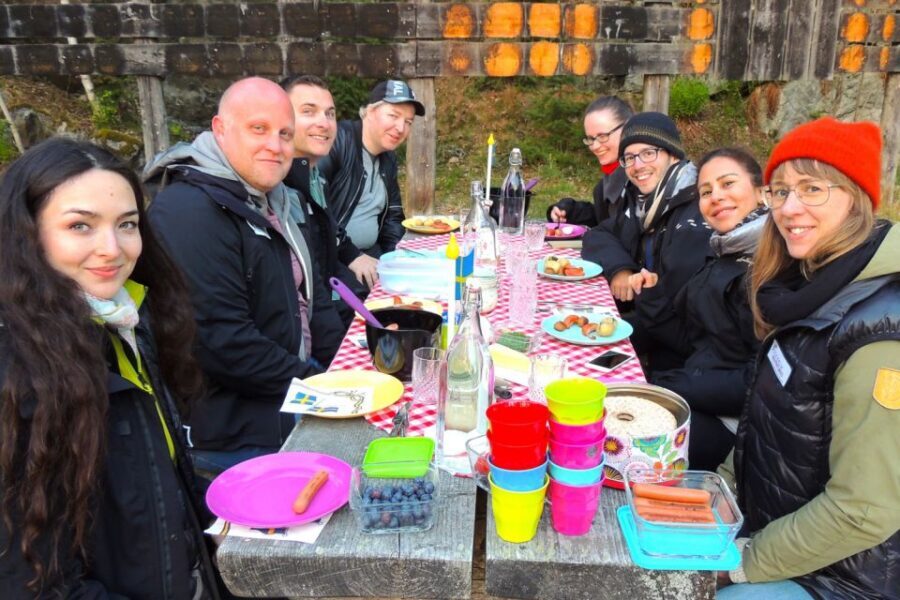
The price is $177 per person for 4 hours with round-trip transportation from Stockholm, a live English-speaking guide, binoculars, a traditional midsummer meal, and guided wildlife searching.
Is that expensive? Compared with a plain museum ticket, yes. Compared with what’s included, it’s not outrageous. You’re paying for:
- Door-to-door transport by minivan
- A guide’s work in the field
- Binoculars included
- The meal and camp time
- The scheduling around sunset
When you look at it that way, the value is in the whole package. You’re not paying just for “a chance to see a moose.” You’re paying for a guided evening plus food plus countryside history.
Also, because the tour is limited to small groups, the experience is closer to a private outing than something packed and rushed.
Practical Tips That Actually Help
Here’s what you can control.
- Wear comfortable shoes. There’s a short forest hike, and your footing matters on uneven ground.
- Arrive 15 minutes early at Kungsbrostrand 21. This is van-based, and missing the window is the main way things go wrong.
- Keep expectations flexible on wildlife. Even a great guide can’t guarantee a moose sighting.
- Use the binoculars right away. You’ll spot better if you start scanning with the guide’s instructions from the first stops.
One more tip: pick the departure time that works for you, even if sunset shifts. The tour runs between 3:30 PM and 8:30 PM, and the whole point is timing the search with evening conditions.
Final Call: Should You Book This Stockholm Evening Safari?
If you want a Stockholm outing that feels like you left the city behind—fast—this is a strong option. I especially like the combo of midsummer meal + guided wildlife search, plus the historic countryside stops. It’s not only about checking animals off a list.
Book it if:
- You care about wildlife and want a guide to help you spot and understand what you’re seeing
- You want real Swedish food in an outdoor setting
- You’d enjoy runestones and rural cottages as part of the evening
Think twice if:
- You’re traveling with a young child (under 10)
- You need guaranteed moose sightings (no evening safari can promise that)
- You dislike evening outdoor time, since a portion of the trip happens as it gets dark
If you match the vibe, you’ll walk away with more than photos. You’ll have an evening story: a meal in the woods, a guide pointing out habitat, and that moment when the forest finally gives you something worth watching.
FAQ
Where is the meeting point?
You meet at Kungsbrostrand 21, at the ICEguide / Stockholm Adventure shop.
When do tours depart?
Departures run between 3:30 PM and 8:30 PM, depending on the timing of sunset.
How long is the tour?
The experience lasts 4 hours.
How big is the group?
The group is small, limited to up to 8 participants.
What wildlife are you looking for?
The safari searches for moose, wild boar, roe deer, and hare.
What’s included in the tour?
You get a guided wildlife tour, a traditional Swedish midsummer meal, round-trip transportation from Stockholm, and binoculars.
Is there a food or cancellation safety net?
Yes. There’s a traditional Swedish meal included. If the tour doesn’t reach the minimum number of participants (fewer than two), you’ll be offered an alternative or a full refund. You can also cancel up to 24 hours in advance for a full refund.