REVIEW · DINING EXPERIENCES
Evening Wildlife Safari with Campfire Dinner from Stockholm
Book on Viator →Operated by True Nature Sweden · Bookable on Viator
Tyresta feels worlds away from Stockholm. This small-group evening safari (max 8) lets you actually track animals and ask questions, and the campfire dinner is part of the fun, not an afterthought. The main catch is simple: wildlife sightings are always luck-of-the-draw, and some nights you’ll see less.
I like how the tour builds in time for both daylight forest walking and the later dusk search, so you’re not rushed through the best part of the evening. It runs about 5 hours (often starting around 18:00), with earlier timing in winter so you still get dark enough for animals to move.
And the guides seem to make a real difference. I’ve seen names like Daniel, Oscar, Lucas, Marietta, Marcus, Jacob, Andrew, and Marlon pop up in bookings, and the common thread is friendly teaching plus a pace that fits the group.
In This Review
- Key takeaways before you go
- Timing That Matters: 18:00 to 22:00 and the dusk factor
- Start Point in Stockholm and the Ride to Tyresta
- Forest Scouting First: walking, lake views, and animal spotting practice
- Campfire Dinner Over a Wooden Fire: what it adds to the night
- The Evening Safari Search: how it feels and what to expect
- What You Might See in Tyresta: animals and realistic expectations
- Guides and Group Size: why small matters on a wildlife night
- Price and Value: is $166.76 a fair deal?
- Who should book this (and who should skip it)
- Practical tips that make the evening better
- Quick reality check: weather and the outdoors
- Should you book the Evening Wildlife Safari with Campfire Dinner from Stockholm?
- FAQ
- How long is the Evening Wildlife Safari with Campfire Dinner?
- Where do I meet in Stockholm?
- What’s included in the tour price?
- Is dinner cooked on a campfire?
- Is wildlife guaranteed?
- What language is the tour offered in?
- What happens if the weather is poor?
Key takeaways before you go
- Max 8 people means you get hands-on attention, not a long line behind someone faster.
- Tyresta National Park is the setting: forest trails, a lake area, and real outdoor Swedish nature time.
- Dinner cooked over a bonfire turns the evening into a proper campfire outing, not just a snack stop.
- Binoculars included so you can actually scan for movement and signs.
- A second wildlife search later in the evening gives you that dusk action window.
- Some hikes can be uneven on snow or ice, so consider your walking comfort before you book.
Timing That Matters: 18:00 to 22:00 and the dusk factor
This tour is built for evening wildlife behavior, not for a daytime stroll. You typically meet around 18:00 and go until roughly 22:00, with earlier start times in winter so the schedule still catches the evening activity.
That timing is important because many animals you’re hoping for are most visible as light fades. One review described snowy forest walking and a frozen-lake crossing, and another mentioned a calmer pace around dusk, when the search shifts from the lake edge and forest path to animals that show up when it’s darker.
If you hate late evenings, plan ahead. You’ll be outside for hours, and the last part of the hunt happens after it gets dim.
Other wildlife and moose safari tours in Stockholm

Start Point in Stockholm and the Ride to Tyresta
You meet at Tideliusgatan 62, 118 69 Stockholm. From there, the trip includes round-trip transit using an air-conditioned vehicle, so you’re not stuck arranging a car or figuring out rural transport on a clock.
The drive is also part of the game plan. The tour begins by traveling through areas where you can check for animal presence before you start walking. In practice, that means less “guessing” and more “where should we look first?”
You’ll end in a different location than the pickup, but the return is still handled as part of the tour. It’s one of the reasons the experience feels smooth, even though it’s in the real outdoors.
Forest Scouting First: walking, lake views, and animal spotting practice
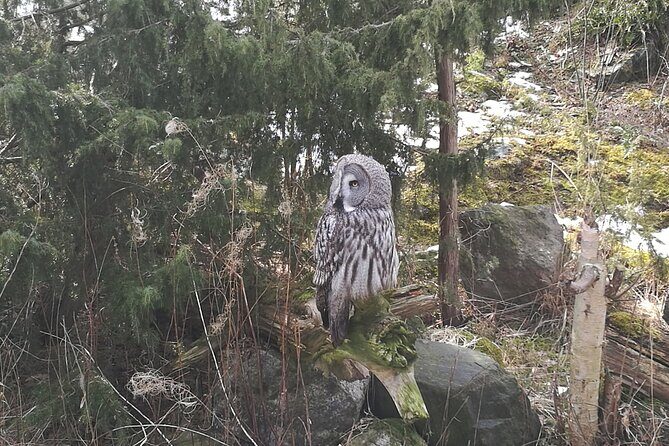
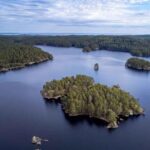
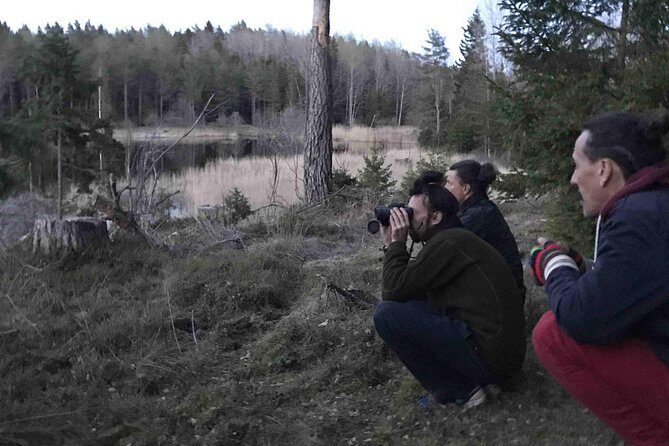
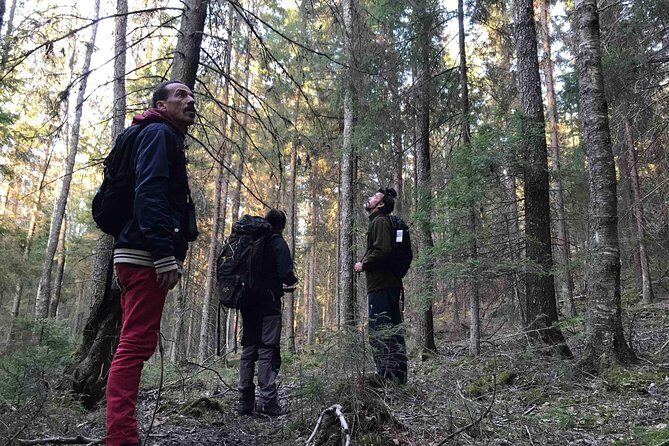
Once you reach Tyresta National Park, the experience shifts to on-foot searching. You’ll walk through forest areas around a lake, and you’ll have time to talk with your guide about Swedish wildlife: how animals behave, what they eat, and where to spot them.
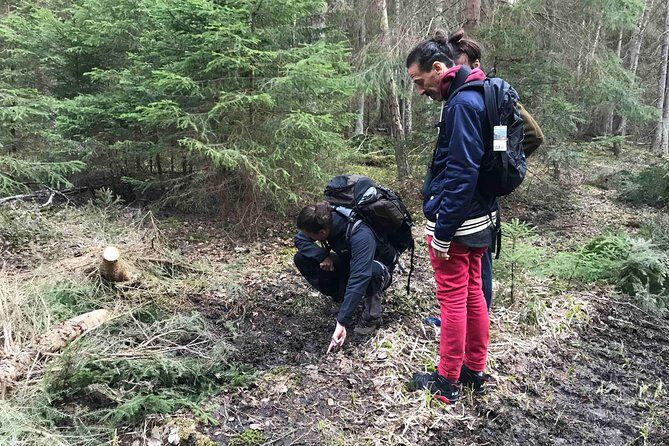
This first walking phase is where the tour becomes more than a “bus to see stuff.” It’s about learning how to read the environment—tracks, signs, and small tells you wouldn’t notice on your own. Multiple reviews mention guides pointing out plants and animal tracks, and one even highlighted learning about local flora while the group watched for movement.
You may notice the terrain is seasonal. In winter conditions, reviewers talked about snow/ice underfoot and frozen surfaces. One person described a route that included crossing a frozen lake. If your footing isn’t great, bring real traction and take it slow on the way out.
Campfire Dinner Over a Wooden Fire: what it adds to the night
The dinner is not a bland stop. It’s cooked over a bonfire (sometimes described as wooden fire) as part of the outing, which means you get warmth, a pause for conversation, and a real sense of “we’re in the wilderness now.”
From a practical point of view, this breaks the evening into two energy levels:
- Before dinner: scanning, walking, and learning
- After dinner: dusk wildlife searching
A few reviews called the meal simple but good, while others described it as delicious. One standout detail: there’s support for dietary needs on short notice, so it’s worth telling the provider when you book.
Another perk is that the campfire moment can be interactive. One review mentioned a guide teaching how to make fire using flint, which sounds like the kind of hands-on thing kids tend to remember forever.
The Evening Safari Search: how it feels and what to expect
After dinner, the tour continues with more wildlife searching as it gets darker. The format shifts from walking to more searching by vehicle and stopping when something looks promising, which helps you cover ground without tiring everyone out.
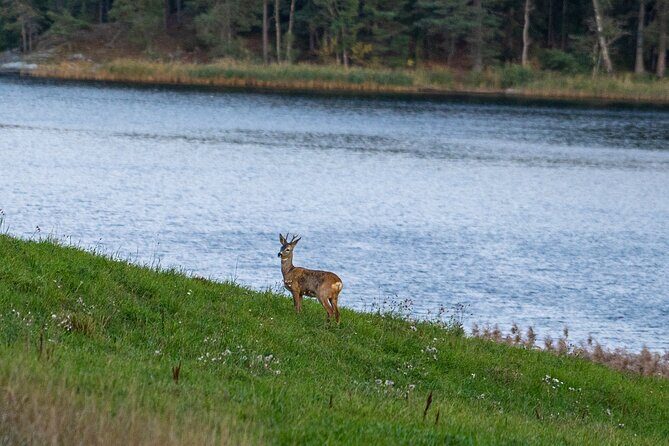
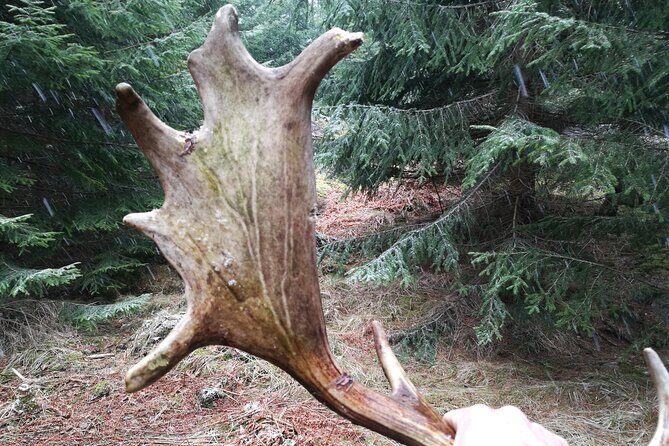
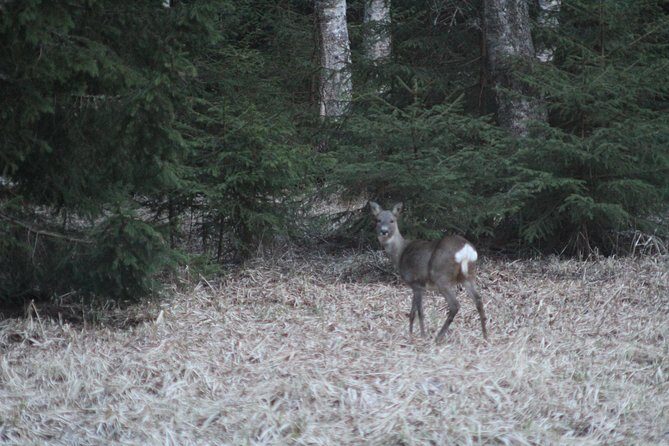
A few reviews included strong wildlife results—multiple moose sightings in some groups, plus deer, wild boar, fox, hare, and even an owl or badger. Another review had fewer sightings and mainly saw birds and deer. That range is normal in Sweden’s forests, and it’s the key thing to keep realistic.
Also, the vibe here is low-stress. One review specifically noted that the transportation helps avoid startling animals, because the animals are used to vehicles but not human crowds. That’s exactly what you want on a wildlife night: fewer sudden interruptions, more careful scanning.
A few more Stockholm tours and experiences worth a look

What You Might See in Tyresta: animals and realistic expectations
Wildlife viewing is the headline, but your best mindset is: look for signs, not just headlines. The tour is structured around tracking and learning, and even if you don’t hit a moose every time, you’re still getting training in how to spot Swedish wildlife.
Here are animals that came up repeatedly in bookings you can use as a mental checklist:
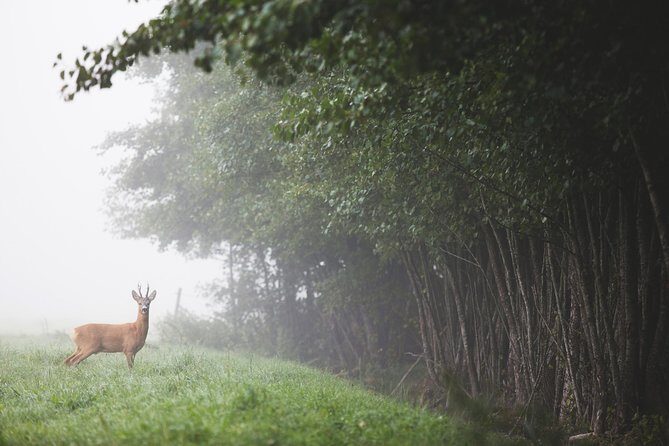
- Moose (including multiple sightings in some groups)
- Deer (often in numbers, sometimes with fawns)
- Wild boar
- Fox
- Hare
- Beaver signs or beaver-related “ruins”
- Birds such as crane or owl (depending on season and luck)
- Occasional surprises like badger or reindeer at a lake area in at least one experience
If you’re hoping for one specific animal, temper that with reality. One person rated it 4 out of 5 mainly because wildlife sightings were limited that evening. The good news is that even that review still praised the hike, the guide, and the dinner—so the experience isn’t only about ticking species off a list.
Guides and Group Size: why small matters on a wildlife night
This is capped at eight travelers, and it shows. With a small group, you can actually pause, listen, and rearrange for a better look without the whole line of people getting tangled.
The guide role is also bigger than you might expect. Many reviews highlighted guides who remembered names and kept the group engaged with both humor and practical outdoor teaching. Kids seemed especially happy—one family described the guide making the night fun for children age 8 and 10, and another mentioned a child favorite moment when learning about fire.
There’s also evidence of pacing flexibility. One review said the hike was customized to the group’s ability, and another mentioned that the hike could be difficult for some mobility levels. My advice: choose this if you’re comfortable with outdoor walking on uneven ground, especially in winter.
If you have mobility limitations, I’d treat the route as variable. You might be fine, but you should assume some parts could be tougher than a city park path.
Price and Value: is $166.76 a fair deal?
At $166.76 per person for about 5 hours, it’s not a budget activity. But it is built like a full, guided evening in a nature reserve: personal guide, binoculars, dinner cooked over a bonfire, and round-trip transit from central Stockholm.
Here’s how I judge value for tours like this:
- You’re paying for the guide’s ability to manage timing (dusk matters), find good scanning spots, and explain wildlife behavior.
- You’re paying for the included dinner experience, which adds real comfort and a “camp” feeling.
- You’re not paying extra for transport to the start of the trail area, which can be a pain in Stockholm’s region.
Where the price feels less perfect is when you get fewer animals than you hoped for. One review said it wasn’t worth the price for their group due to limited wildlife. That’s the risk side of wildlife outings anywhere.
So the deal makes the most sense if you go with the mindset that the learning, hiking, and dinner are part of the product—not just a bonus if wildlife shows up.
Who should book this (and who should skip it)
I think this works best for:
- People who want nature outside the city without planning transport
- Visitors who enjoy guided wildlife spotting, including learning about tracks and behavior
- Families with kids who are comfortable outdoors for several hours (a few reviews included children around 8+)
- Anyone who likes the rhythm of a night hike, then a warm campfire meal
I’d be more cautious if:
- You have trouble with uneven or icy ground, since winter routes can include snow and frozen surfaces
- You need a guaranteed wildlife-heavy night, because wildlife sighting volume varies
- You want a quick, easy stroll only. This includes a hike and walking time, then more searching later
Practical tips that make the evening better
Even without overpacking, a few things can help you enjoy this more:
- Dress for cold and dark. The tour runs until about 22:00, and winter versions can include snow and frozen lake sections.
- Bring a warm layer you can keep on during stops. The pauses matter when the guide is scanning.
- Wear shoes with solid grip. Several reports mention snowy/icy conditions, and footing becomes part of the experience.
- Be ready to ask questions. The guide discussion about animals and habits is a meaningful part of the tour, not filler.
- If you have dietary needs, mention them when booking. One review said they accommodated needs on short notice.
One small “pro tip”: listen closely at the moments when the guide slows down. That’s often when the best chance comes from noticing something subtle.
Quick reality check: weather and the outdoors
This kind of safari depends on the conditions. The experience requires good weather, and if it’s canceled due to poor weather, you’ll be offered a different date or a full refund.
That matters because strong winds, heavy rain, or unsafe ice can change the feel of the walk and the time outdoors. If you’re traveling in a tight schedule, build a little flexibility into your Stockholm plan.
Should you book the Evening Wildlife Safari with Campfire Dinner from Stockholm?
Book it if you want a genuinely outdoorsy Stockholm evening: small group, a real walk in Tyresta National Park, and a dinner that actually happens around fire. The included transit and binoculars lower the friction, and the guide-led focus on wildlife behavior makes it more than a casual sightseeing trip.
Skip it if you mainly want guaranteed animal sightings and you’d be disappointed by a slower night. Wildlife varies, and one weaker evening still might include a great dinner and a good hike, but it won’t always deliver the full parade of moose and boar.
If you’re the kind of traveler who enjoys learning while you look, and you’re comfortable walking on uneven ground, this is one of the better ways to spend time beyond Stockholm’s main sights.
FAQ
How long is the Evening Wildlife Safari with Campfire Dinner?
It lasts about 5 hours.
Where do I meet in Stockholm?
The meeting point is Tideliusgatan 62, 118 69 Stockholm, Sweden.
What’s included in the tour price?
The tour includes a personal guide, round-trip transit from Stockholm, binoculars, and dinner prepared over a bonfire.
Is dinner cooked on a campfire?
Yes. Dinner is prepared over a bonfire/wooden fire as part of the outing.
Is wildlife guaranteed?
No. Wildlife sightings depend on conditions and animal activity, so you should expect a mix and understand that some evenings may have fewer animals.
What language is the tour offered in?
The tour is offered in English.
What happens if the weather is poor?
The experience requires good weather. If it’s canceled due to poor weather, you’ll be offered a different date or a full refund.