REVIEW · STOCKHOLM
Scandinavian Art, Architecture and Design Tour in Stockholm
Book on Viator →Operated by XperienceSthlm · Bookable on Viator
Swedish design starts on the sidewalk. This 3-hour walk in Stockholm connects architecture and interiors to the city’s real neighborhoods, with focused stops and quick explanations that make the look-and-feel click. I especially liked how the route threads posh Östermalm streets with design-shop time, not just photo stops.
Two things I kept enjoying: first, the way the guide tied famous designers and upholstery traditions to specific street scenes you can actually see. Second, the balance between guided commentary and free browsing, so you can slow down and look without feeling rushed—this matters when you love furniture, textiles, and house details.
One possible drawback: this tour depends on good weather. If the skies don’t cooperate, expect a reschedule or a full refund, so have a flexible day.
In This Review
- Key Highlights You’ll Actually Feel on the Walk
- Getting Your Bearings: Östermalm’s Design Streets and VIP-Era Details
- Östermalms Saluhall: A 19th-Century Food Hall Where Design Is Part of the Meal
- The Upholstery and VIP Homes Stop: Swedish Home Style You Can Shop For
- Royal Dramatic Theater: Art Nouveau Energy With a Stage-Ready Backstory
- Kungsträdgården: Stockholm’s Parks, Architectural Phases, and Falu Red
- Royal Swedish Opera and the Phantom Story: A Late-19th-Century Landmark With Swedo-Drama
- Skeppsholmen and the Nationalmuseum Finish: Views, Museums, and a Strong Ending
- Price and Value: Why $61.62 Can Make Sense for a 3-Hour Design Hit
- Who This Tour Fits Best (and When to Skip)
- Should You Book This Scandinavian Art, Architecture and Design Tour?
- FAQ
- How long is the Stockholm Scandinavian Art, Architecture and Design tour?
- What is the price per person?
- What language is the tour offered in?
- How big is the group?
- Where does the tour start and end?
- Are any admissions included?
- Is the tour dependent on weather?
- Are service animals allowed?
- Is cancellation free?
Key Highlights You’ll Actually Feel on the Walk
- Östermalm design streets through Stureplan, Linnégatan, Nybrogatan, and Strandvägen
- Östermalms Saluhall—a 19th-century food hall where you can experience Swedish specialties
- A design-shop stop focused on Stockholm’s upholstery-style homes
- Royal Dramatic Theater—an Art Nouveau landmark tied to major Swedish film stars
- Kungsträdgården and the origin story behind Stockholm’s iconic falu red paint
- Skeppsholmen finish with views toward Old Town and a museum cluster
Getting Your Bearings: Östermalm’s Design Streets and VIP-Era Details
Östermalm is where Stockholm turns practical taste into status. The tour starts around Stureplan, then moves through streets like Linnégatan, Nybrogatan, and Strandvägen. You’re not just walking past pretty buildings. You’re learning how this area became a place where designers, upholsterers, and antique-house owners built reputations.
What I like about this part is the way the stories stay tied to what you’re standing in front of. Instead of vague art-world talk, you’ll hear about legacy—names linked to Swedish design and the historical context behind them. That’s what turns a street stroll into an easy mental map. After this, you’ll recognize design cues faster when you see them later: the way facades feel “collected,” the sense of craft that shows up in home interiors, and how architecture can signal a lifestyle.
You also get that small-group advantage here. With a maximum group size of 10, the pace tends to stay friendly. If you want to ask a question about a building detail—molding, windows, proportions—you’re more likely to get an answer that stays on-topic, not a generic lecture.
If you’re visiting Stockholm for the first time, this opening stretch is a great warm-up. It gives you the why behind the look. If you’re already deep into design history, you might find the framing broad—but it’s still useful, because it points you to what to watch for.
If you're still narrowing it down, here are other tours in Stockholm we've reviewed.



Östermalms Saluhall: A 19th-Century Food Hall Where Design Is Part of the Meal
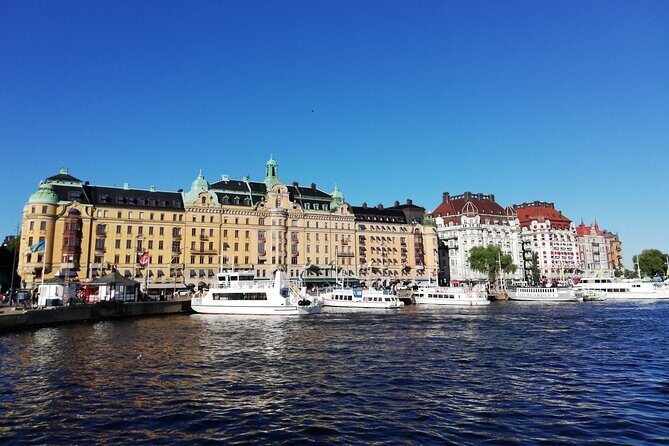
Next up is Östermalms Saluhall, one of Stockholm’s best-known food halls. This stop is short—about 30 minutes—but it’s included, and it works like a design break in the middle of a design tour.
The standout here is the setting. Saluhall isn’t only about tasting Swedish food. It’s an architectural landmark from the 19th century in the city center, meaning you experience design in a working, public space. That’s a different angle than galleries or palaces. You’re seeing how a city organizes everyday life—queues, stalls, light, and movement—in a building that was built to last.
What you’ll do in this stop is simple: you’ll move through the hall so you can experience Swedish delicacies. Even if you don’t go all-in on sampling, you’ll leave with a better sense of Stockholm’s food culture as part of the same design mindset—clear, considered, and built for real use.
One practical tip: keep your pace steady. This is a place where people linger, and it’s easy to spend too long at one stall if you don’t watch the time. Treat it like a curated sampler: walk, look, choose a few bites that sound good, then keep moving with the group.
The Upholstery and VIP Homes Stop: Swedish Home Style You Can Shop For
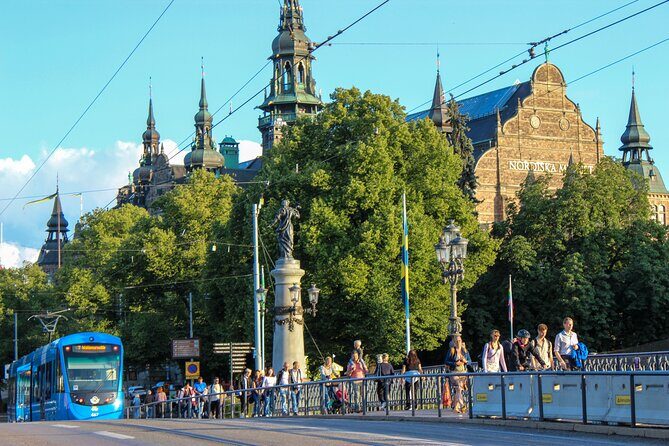
After the saluhall, you’ll hit a stop focused on the part of Swedish design tied to comfort and interiors—especially upholstery-style homes. The tour frames it around where Swedish design meets the expectations of Stockholm’s most VIP residents.
I can’t claim a specific shop name from the details provided, but the theme is clear: you’ll learn about one of Stockholm’s famous upholstery household names and what made that style stick. This is the kind of stop that changes how you interpret what you saw earlier. Instead of only thinking about facades and city planning, you start thinking about seating, fabrics, and the everyday objects that carry design identity.
This is also where the tour’s pacing really shines. The experience is designed to give you guided context, and then time to look around on your own. In one review, the standout was how the guide gave space to explore design shops independently—browse furniture, home accessories, and textiles at your own speed. That freedom is a big value add, because Stockholm stores can be slow-browsing-friendly, and you don’t want to feel like you’re being herded.
If you love interiors, take advantage of that free time. Stand back and look at how pieces are arranged. Then move closer and check fabric, stitching, and finishes. Those are the kinds of details that get glossed over when you rush. On this tour, you’re given permission to slow down.
Royal Dramatic Theater: Art Nouveau Energy With a Stage-Ready Backstory
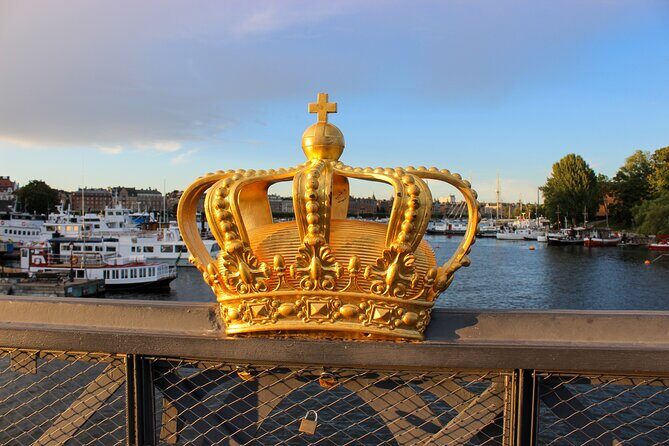
The tour then heads to the Royal Dramatic Theater (Kungliga Dramatiska Teatern), a landmark tied to the Art Nouveau period and dating back to the 18th century (as described on the tour). Even if you’re not a theater person, this stop is worth it because it shows how style and storytelling share the same bones.
The time here is brief—around 15 minutes—and the admission is free, so think of it as a “spotlight stop.” But it’s not shallow. You’ll hear how major Swedish stars, including Greta Garbo and Ingrid Bergman (from Casablanca), had their start here. That kind of detail makes the building feel alive, not just historic.
Why this works for a design-focused tour: theaters are architecture built for performance. They need acoustics, sightlines, and a sense of drama. So even without a deep technical explanation, you’ll start noticing the building as a machine for emotion—how it frames space and how its style supports atmosphere.
If you can, stand so you see both the exterior impression and the sense of form the building projects. With a quick stop, your goal is to anchor one or two images in your mind, so the stories you hear actually stick.
Kungsträdgården: Stockholm’s Parks, Architectural Phases, and Falu Red
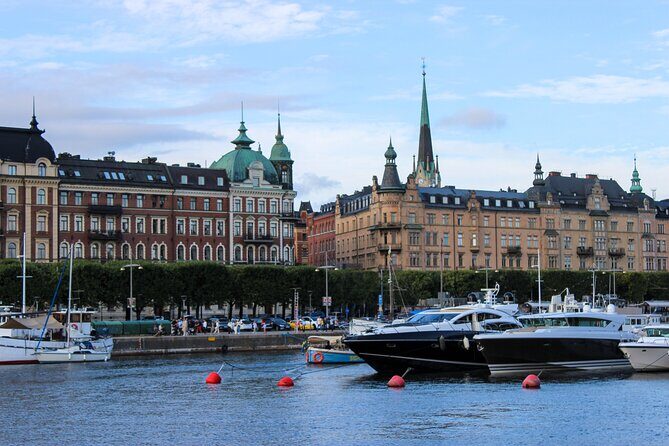
Next is Kungsträdgården, and this stop is where the tour reminds you that Swedish design isn’t only inside buildings. It’s also in how cities care for green space.
You’ll explore why parks matter in Stockholm’s urban landscape and how different architectural phases shaped the city, from Gothic to Baroque to more modern influences. This is the section where the guide connects time periods. You start to see architecture as something that layers—each era leaving marks on the next.
Kungsträdgården also traces back to the 15th-century origins and goes through repeated reinventions. That matters because it keeps the “history” from feeling like a museum label. It becomes a living process: the city changes, and public space changes with it.
Then you get one of the most Stockholm-coded topics in the tour: the origin of the iconic falu red paint. Even if you’ve seen falu red on houses before, a design tour perspective helps you understand it as a cultural signal, not just a color.
The drawback here is also practical: since this is a park and much of it is outdoors, you’ll feel the weather more than at indoor stops. If the day is windy or cold, plan layers. If it’s sunny, this can be the most pleasant part of the entire walk.



Royal Swedish Opera and the Phantom Story: A Late-19th-Century Landmark With Swedo-Drama
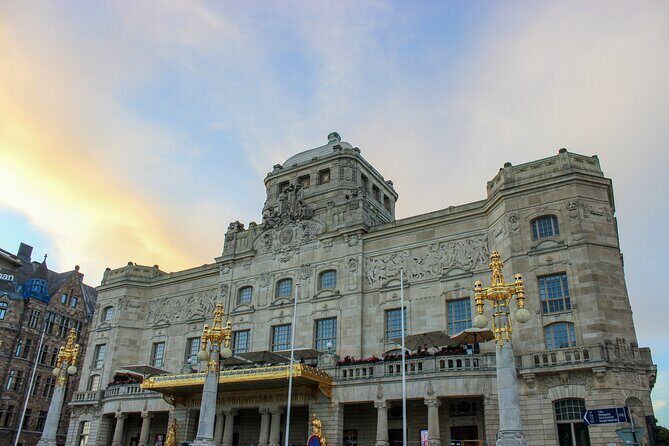
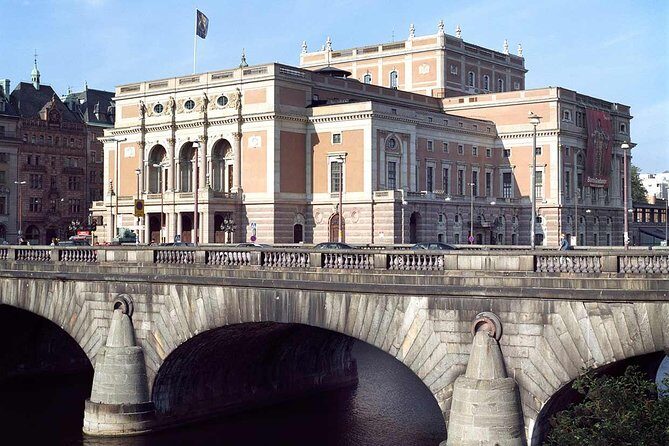
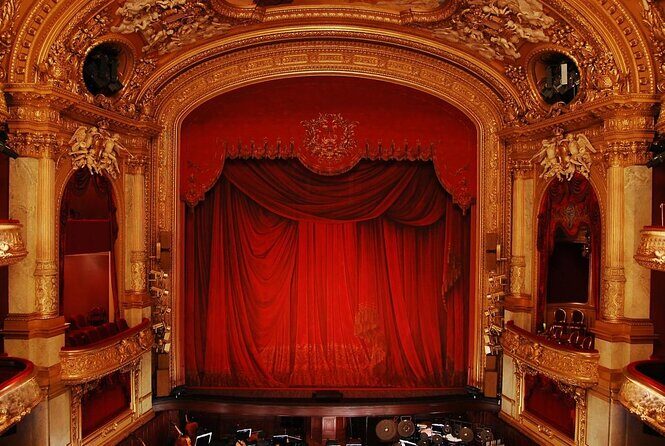
After the park stop, you’ll pass the Royal Swedish Opera, a masterpiece dating to the late 19th century. Here, the tour leans into story. You’ll hear about the true Phantom of the Opera, Stockholm style.
I’ll keep this grounded: you’re not getting a full production. You’re getting the guided legend and the building context that makes the myth feel tied to the place. That approach fits the theme of the tour—design as narrative. In Stockholm, even big institutions like opera houses are part of how people imagine identity.
If you’re the kind of traveler who likes atmosphere—who enjoys hearing why a building matters to a city’s imagination—this stop will land well. If you prefer purely visual details, you can still appreciate the exterior and the scale, but you might want the guide to point out specific design features as you walk by.
Skeppsholmen and the Nationalmuseum Finish: Views, Museums, and a Strong Ending
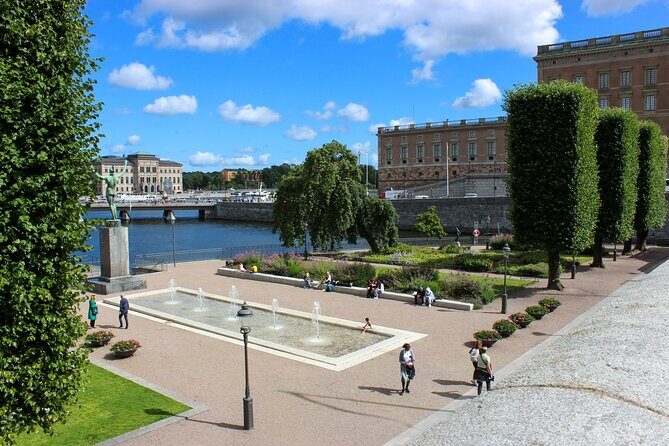
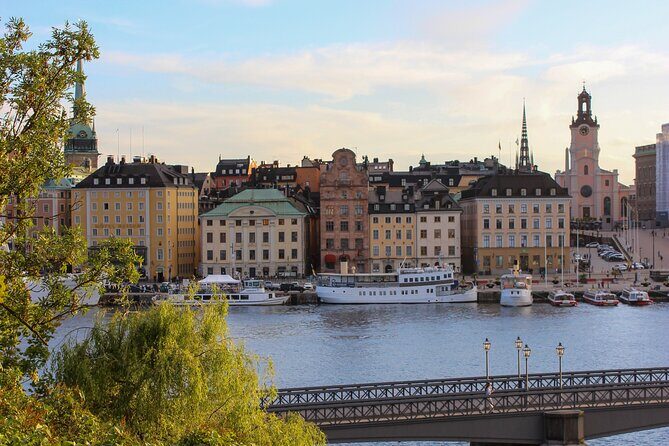
The final point is Skeppsholmen, one of the prettiest islands in Stockholm’s city center. You’ll get a gorgeous view toward Old Town, and then a cultural wrap-up with museums connected to Swedish art and architecture.
This stop is designed to connect the dots. Earlier you’ve seen streets, food hall architecture, and performance venues. Now you land at a museum-focused finish, where you can step back and think about the big picture: design, art, and built form all operating in the same urban environment.
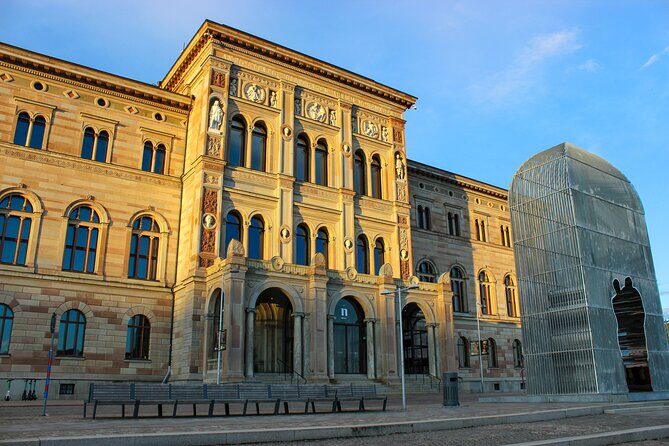
Skeppsholmen is home to major institutions including the National Museum (Nationalmuseum), Moderna Museet, and ArkDes. Even if you don’t go inside all of them on the same day, you’ll understand why this island is an important cultural node.
The tour ends in front of the Nationalmuseum at Södra Blasieholmshamnen 2. It’s a sensible finish point because it’s easy to keep your day going afterward—either with more museum time or a scenic walk back toward central areas.
Price and Value: Why $61.62 Can Make Sense for a 3-Hour Design Hit
At $61.62 per person, you’re paying for a guided, three-hour design-and-architecture route that’s built around highlights rather than endless browsing. What makes the value feel real is that not every stop is paywalled. Some sections are free entry, and Östermalms Saluhall is included, so you’re not spending the whole time scanning tickets.
It’s also a small-group experience (max 10). That matters in Stockholm, where walking tours can become crowded fast. A smaller group gives the guide space to explain things clearly and gives you a better shot at asking questions without feeling like you’re interrupting.
If you already planned to visit Saluhall anyway, this tour often feels like a smart way to “bundle” architecture context with food culture. If you were only planning to window-shop for design stores, the guided framing helps you shop smarter—what to look for, what styles mean, and where Stockholm’s design identity shows up.
Who This Tour Fits Best (and When to Skip)
This tour is a strong fit for you if:
- You like architecture and interiors and want them connected, not separate topics.
- You enjoy a mix of exterior city scenes and at least one meaningful indoor stop.
- You want a fun, easy start to a Stockholm trip that still feels specific.
It’s especially good if you care about textiles and upholstery. The route starts in the streets where design reputations grew, then moves into a shop focused on upholstery household style. That’s a clear through-line.
When to skip it: if you only want the most famous mega-monuments and you hate walking, you might not love the pacing. This experience is structured like a design survey, not a sprint through the top 10 tourist landmarks.
Also, if weather is unpredictable for your dates, keep an eye on it. Since the tour requires good weather, you want to avoid booking a day you absolutely can’t change.
Should You Book This Scandinavian Art, Architecture and Design Tour?
I’d book this if you want Stockholm that feels hands-on: streets that explain design, a food hall that shows how architecture serves daily life, and museum-adjacent finishing views. The strongest selling point is the guide approach—story-driven, but practical—and the time you get to explore design shops on your own pace. In particular, one guide name you may see mentioned is Olesia, and the feedback attached to her style was that the tour felt memorable, intimate when the group was small, and well balanced between talking and browsing.
Book it if you like design history that connects to real places you can see within a few blocks. Skip it if you want only major indoor attractions or you can’t handle outdoor walking in changing weather.
FAQ
How long is the Stockholm Scandinavian Art, Architecture and Design tour?
It lasts about 3 hours, and the travel time is included in that duration.
What is the price per person?
The listed price is $61.62 per person.
What language is the tour offered in?
The tour is offered in English.
How big is the group?
There is a maximum of 10 travelers.
Where does the tour start and end?
The meeting point is Svampen Stureplan, Östermalm, 114 35 Stockholm, Sweden. The tour ends in front of the Nationalmuseum at Södra Blasieholmshamnen 2, 111 48 Stockholm, Sweden.
Are any admissions included?
Östermalms Saluhall has admission included. Other stops on the route are described as free entry.
Is the tour dependent on weather?
Yes. The experience requires good weather. If it’s canceled due to poor weather, you’ll be offered a different date or a full refund.
Are service animals allowed?
Yes, service animals are allowed.
Is cancellation free?
Yes. You can cancel up to 24 hours in advance for a full refund.