REVIEW · WALKING TOURS
Stockholm Walking Tour with Audioguide on Your Smartphone
Book on Viator →Operated by TouringBee · Bookable on Viator
A smartphone audioguide can guide your feet. This easy self-guided walk strings together Stockholm’s headline sights and small, funny details—often with quick stops and clear audio narration. I like that it’s professional-history style audio plus an offline map, so you’re not stuck hunting for stories. One catch: you’ll want to manage your phone battery and download the content ahead of time.
You start at Klara Mälarstrand and end back there, looping through Old Town streets, royal landmarks, and riverside views. The narration runs through everything from Stockholm City Hall’s halls to Nobel Prize Museum stories, and it also flags little stop-worthy moments like the Iron Boy statue. It’s also priced low enough that you can use it as a “first Stockholm day” tool without feeling like you booked an expensive tour.
The main consideration is practical: you need your own headphones and you’ll rely on your phone’s GPS/app map. If the map feels confusing in winding Old Town streets, zoom in and use location services if available. And yes—audio plus GPS can drain battery fast, so bring a small power bank if you can.
In This Review
- Key things I’d plan for
- A Smartphone Audioguide Tour of Stockholm’s Big Sights and Small Oddities
- Price That Feels Like a Museum-Add-On, Not a Full Tour
- How the App Route Works (and Why Battery Matters)
- First Stop: Stockholm City Hall for Bricks, Mosaics, and Nobel Moments
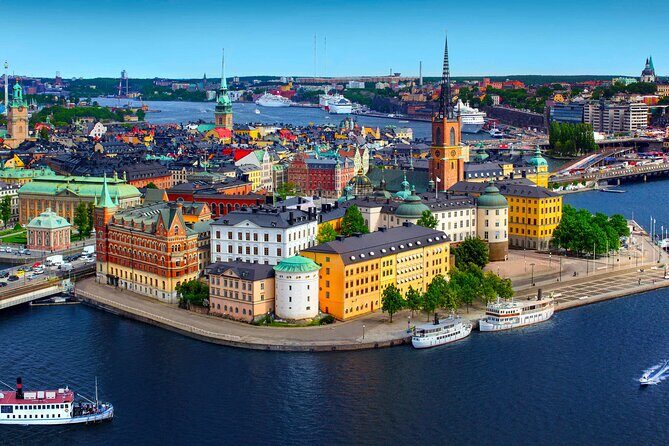
- Riddarholmen Island: Norstedt, Birger Jarl’s Tower, Wrangel Palace, and Royal Tombs
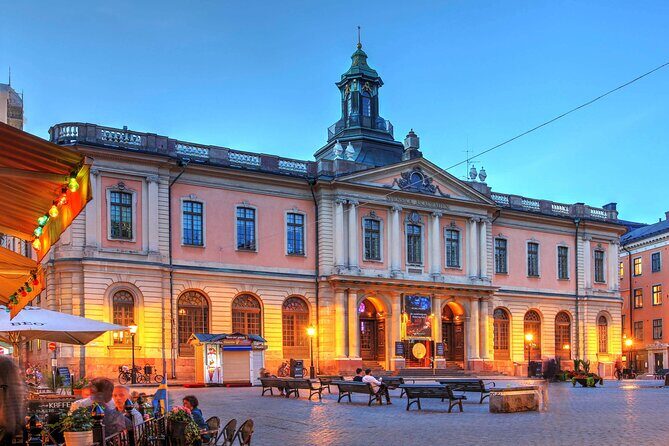
- Gamla Stan Side Quests: Västerlånggatan, Stortorget, Iron Boy, and Nobel Museum
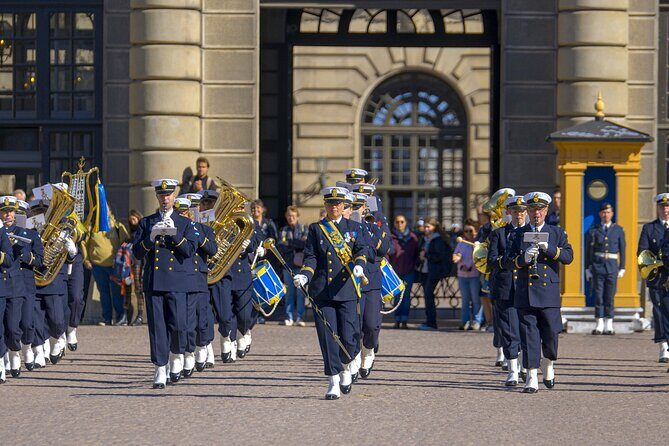
- Royal Power Walk: Royal Palace, Parliament (Riksdag), and the Royal Opera
- From Kungsträdgården to Sergel’s Square: Parks, Museums, and City Life
- Who This Audio Tour Fits Best (and Who Should Skip)
- My Practical Plan for Getting the Most Out of 2 Hours
- Should You Book This Audio Tour?
- FAQ
- Do I need a human guide for this Stockholm walking tour?
- How long is the tour?
- Is the tour available in English?
- What do I get with the audioguide package?
- Do I need to bring my own headphones?
- Can I use the tour without internet?
- Where does the tour start and end?
- Are entrance fees included for places on the route?
Key things I’d plan for
- Offline-first comfort: Audio and an offline route map are part of the package, so you can keep going even when signal is spotty.
- Historian narration, not random facts: You get 25 audio recordings narrated by a professional historian.
- A lot of sights for the money: For about $6.73, you’re buying guided storytelling at a walking pace.
- It’s self-guided by design: There’s no human guide, so you control the stops and timing.
- Bring headphones and expect phone use: You’ll need your own headphones, and GPS/audio will use battery.
- Plan for extra walking time: The listed duration is approximate; allow time if you want photos and pauses.
A Smartphone Audioguide Tour of Stockholm’s Big Sights and Small Oddities
This experience is basically a guided walk where your phone acts like the tour guide in your pocket. You pay once, download the audioguide app, and then follow the route using the map while audio plays at the right spots. It’s a great match for Stockholm because so many of the key sights cluster around rivers, bridges, and Old Town streets.
What I like most is that the route covers both obvious highlights and the kind of details you’d miss without a cue. You’ll hear why Stockholm City Hall matters, why the Nobel Prize Museum exists where it does, and why a tiny statue like Iron Boy gets locals talking. And because it’s a self-guided tour, you can slow down for photos or speed up when you’re just passing through.
The route also makes good use of the city’s layout: Old Town and royal areas are walkable, and the narration helps you connect what you’re seeing to what it represents. You’re not just looking at bricks and towers—you’re learning what they were built for.
Other walking tours we've reviewed in Stockholm
Price That Feels Like a Museum-Add-On, Not a Full Tour
At about $6.73 per person for a ~2-hour audioguide, the value is the storytelling and the convenience. You’re not paying for transport, and you’re not paying for a human guide—so most of what you buy is the audio content plus the route support.
Many stops along the way are free to enter (at least for the viewing/outside experience), and the tour notes several “ticket free” stops like Norstedt Publishers, Birger Jarl’s Tower area sights, Riddarholmen, and squares such as Stortorget and Sergel’s Square. That matters because you can keep your total day cost down by planning your own museum/entry decisions separately.
Where you might spend extra is entrances you choose to do on your own. The tour explicitly does not include entrance fees/tickets, so if you decide to go inside major venues like the Royal Palace areas or City Hall interior experiences, budget for that separately.
How the App Route Works (and Why Battery Matters)
This is not a headset-and-go “mystery walk” where someone meets you and leads you from stop to stop. You activate your purchase in the app, download the tour content, and then follow the map.
Two practical tips make a big difference:
- Use a stable offline setup. The audioguide is designed for offline use when the content is downloaded in advance.
- Bring your own headphones. They’re not included.
Battery is the other big reality. The tour uses your phone for audio playback and mapping, and GPS can drain power fast—especially on a longer walking day. If you’re the type who takes photos too, bring a portable charger. It will save you from the annoying moment where your phone dies right as you’re reaching the best view.
Navigation can be smooth, but Old Town streets can be a little tricky on small screens. If the map isn’t giving you the street clarity you want, zoom in and make sure you’ve activated location services (the app supports GPS navigation if you turn it on). That small step can prevent a lot of head-scratching.
First Stop: Stockholm City Hall for Bricks, Mosaics, and Nobel Moments
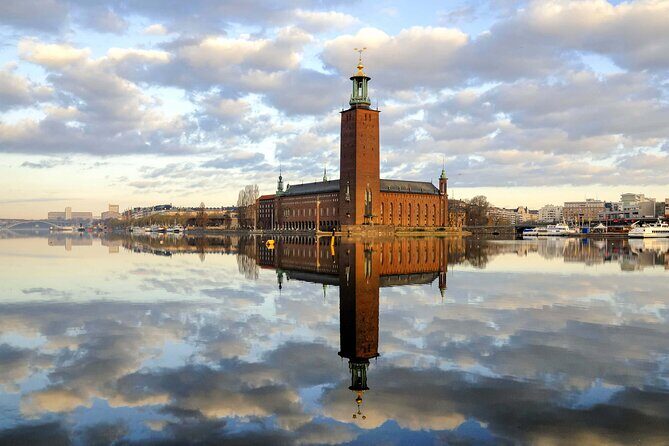
Stockholm City Hall is the showpiece start for this walk, and it’s a strong choice. Completed in 1923, it’s built with that unmistakable Swedish mix of solidity and drama: a brick façade, a prominent tower, and big-city views over the archipelago.
The audio guide’s angle here is what makes it more than a photo-op. You’ll learn about the Golden Hall with its 18 million mosaic pieces, and you’ll hear how the Blue Hall connects to the annual Nobel Prize Banquet. Even if you don’t plan a full interior visit, knowing what these rooms are for changes how you read the building’s design.
Pros:
- It anchors the whole experience with a major landmark people recognize.
- The Nobel connection ties neatly into later stops at the Nobel Prize Museum area.
Consideration:
- If you want to do more than just the exterior, you’ll need to plan extra time for entrances/tickets on your own, since the tour itself doesn’t include admission.
Riddarholmen Island: Norstedt, Birger Jarl’s Tower, Wrangel Palace, and Royal Tombs
The walk shifts toward Riddarholmen, and this is where Stockholm starts to feel medieval. The route focuses on a cluster of sites on the island, which keeps your walking efficient while giving you a real sense of how old the city’s core is.
Norstedt Publishers (Norstedt Förlag)
Norstedt Publishers, established in 1823, is framed here as Stockholm’s literary heart. You’ll hear how the oldest publishing house in Sweden helped shape Swedish literature. It’s a great stop because it’s not just “a building”—it connects place to culture in a way that’s easy to remember.
Birger Jarl’s Tower
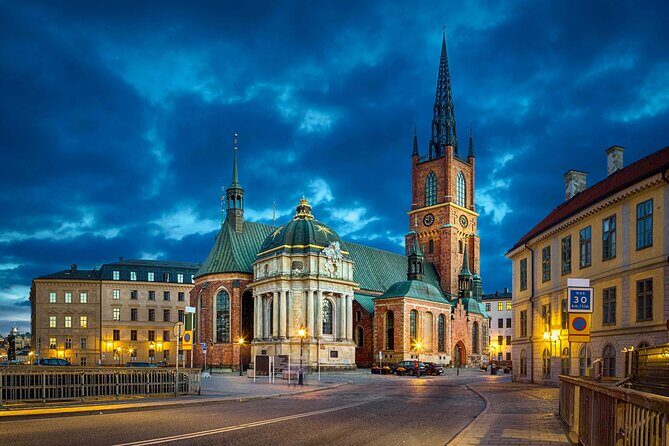
Next comes Birger Jarl’s Tower, tied to Stockholm’s origins. Dated to the 16th century, it’s named after Birger Jarl, the city founder. The thick stone walls and the tower’s early-defense vibe make it a natural match for a history-minded walk, and the top view is a strong payoff if you pause long enough to get your bearings.
Wrangel Palace
Wrangel Palace adds a shift from defense to power and residence. Built in the 16th century and expanded later, it served as a royal residence in the 17th century. Today it houses the Svea Court of Appeal, but you’ll get guided context on the royal past and Baroque architectural feel.
Monument to Birger Jarl
A statue can feel like a simple stop, but this one is more meaningful because it’s part of the same origin story thread. Erected in 1854 and sculpted by Bengt Erland Fogelberg, it depicts Birger Jarl holding a sword and shield. The point is clear: Stockholm’s identity is built around its founder legends.
Riddarholmen Church
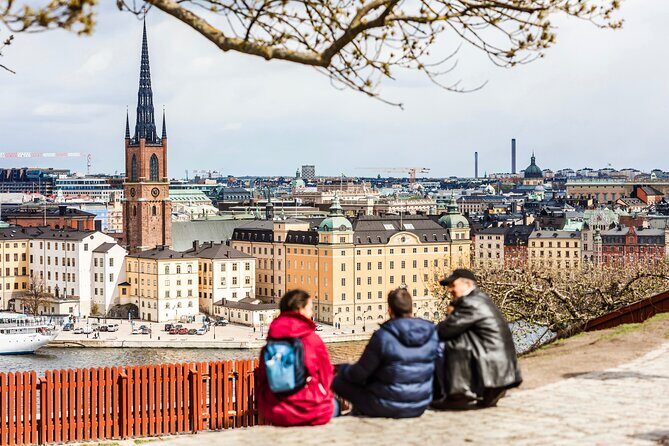
Then you land at Riddarholmen Church, dating back to the late 13th century. The cast iron spire is a recognizable feature, and inside you’ll see the somber side of royal memory—royal tombs and coats-of-arms lining the walls. This stop works best when you keep your expectations simple: don’t rush. Let the stone-and-history feeling settle.
One practical note: many of these are marked as ticket-free stops for the tour experience, but if you want interior access at some points, you may need separate decisions. That’s normal for Stockholm—plan to choose what matters most to you.
A few more Stockholm tours and experiences worth a look






Gamla Stan Side Quests: Västerlånggatan, Stortorget, Iron Boy, and Nobel Museum
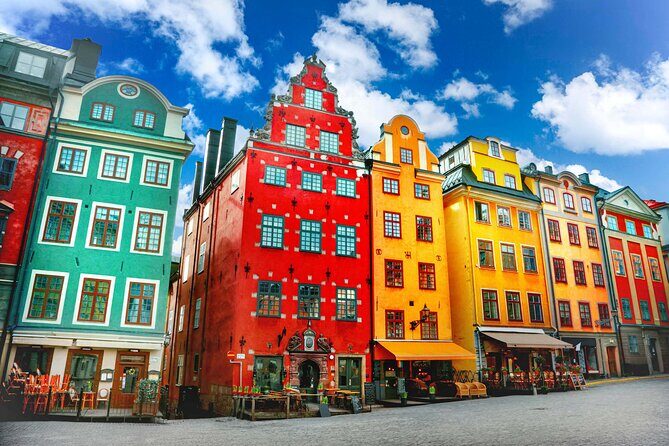
After the medieval island cluster, the route moves into Gamla Stan, and that means cobblestones, narrow lanes, and old addresses that feel like they’ve always been there.
Västerlånggatan Street
Västerlånggatan is one of those Old Town streets you can walk without getting bored. The audio nudges you to notice courtyards, shops, and the way street life sits right on top of older structures. It’s a good “reset” after towers and churches—still historical, but with a human pace.
Aifur Restaurant (context stop)
Aifur Restaurant is included as a period-themed dining stop. The key value here is the idea: the tour doesn’t just tell you facts, it points you toward experiences that connect food and stories. If you’re planning a meal later, this is a useful breadcrumb for the kind of setting you’ll get.
Iron Boy (Järnpojke)
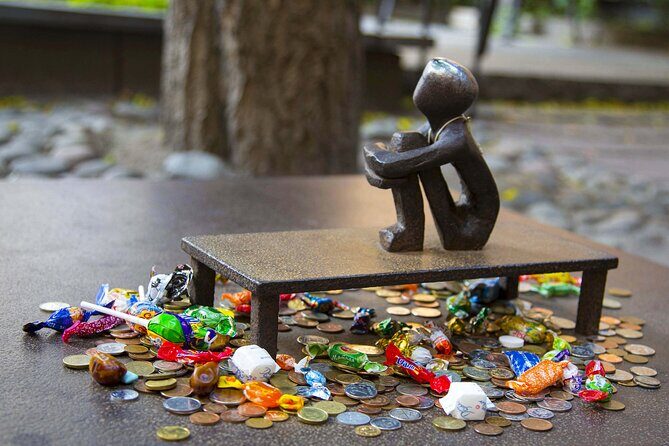
Iron Boy is the tiny detour that makes the walk feel alive. A 15-centimeter statue by artist Liss Eriksson from 1967, he sits in a courtyard by the Finnish Church and looks up at the moon. In winter, locals dress him in tiny hats and scarves and leave coins for good luck. It’s small, quirky, and exactly the kind of Stockholm detail you’ll remember later.
Stortorget Square
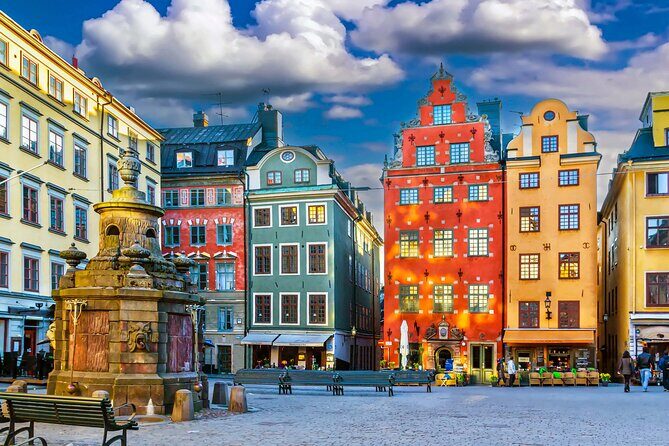
Stortorget is the oldest public square in the city and a natural hub for an easy photo break. The Nobel Museum links in here conceptually, and Stortorget’s history includes the Stockholm Bloodbath of 1520. This stop is good for orienting yourself—square-to-street-to-royal landmarks.
Nobel Prize Museum
The Nobel Prize Museum is where you get the why behind Alfred Nobel’s legacy, in an interactive way. You’ll hear about Nobel laureates across fields like peace, literature, and science, with personal stories and artifacts presented to connect achievements to the people who made them. Even if you know the basics, this museum stop helps you connect the dots between the Nobel Banquet setting you heard earlier and the broader worldwide impact.
Royal Power Walk: Royal Palace, Parliament (Riksdag), and the Royal Opera

Stockholm’s royal and civic power shows up in a neat sequence. You go from the monarchy’s visible grandeur to the building where decisions get made, and then to performance culture at the Royal Opera.
Royal Palace
The Royal Palace is one of Europe’s largest palaces and is the official home of the Swedish monarch. The tour highlights the State Apartments, the Royal Chapel, and the Treasury where crown jewels are kept. The daily changing of the guard is called out as a must-not-miss if your timing lines up.
This is also where practical planning matters. The palace can eat time if you decide to do interiors. Since the audio route is time-limited, you may want to treat the palace moment as either a quick exterior + guard moment, or a longer museum plan depending on what you care about most.
Riksdag (Swedish Parliament)
Next is the Riksdag building on Helgeandsholmen island, completed in 1905. The architecture blends neoclassical and baroque revival styles, and the narration focuses on Sweden’s democratic system and how legislation works. If you like civic stories and how countries organize power, this stop adds serious weight to the walk without needing a long lecture.
Royal Opera House
The Royal Opera House finishes the power-and-culture arc. Established in 1773 by King Gustav III and reconstructed in 1898, it’s described as an opulent venue with rich artistic heritage. Even if you don’t attend a performance, the story helps you see why opera houses become cultural anchors in capitals.
From Kungsträdgården to Sergel’s Square: Parks, Museums, and City Life
After the heavier royal and civic stops, the route lightens into open spaces and modern Stockholm edges.
Kungsträdgården Park
Kungsträdgården is a “pause” stop. Known as King’s Garden and dating to the 15th century, it’s a gathering spot with fountains and seasonal events like summer concerts and winter ice skating. The audio here is a reminder that Stockholm’s city life includes nature breaks built right into the center.
Hallwyl Museum
The Hallwyl Museum gives you a different kind of history: late 19th-century aristocratic life. The tour points you toward over 50 rooms filled with art, antique furnishings, and collectibles preserved in their original setting. This is the type of stop you’ll enjoy if you like atmosphere and objects that tell personal stories.
Kreditbanken (Norrmalmstorg robbery context)
Kreditbanken is included as a place tied to the 1973 Norrmalmstorg robbery. The story is linked to the term Stockholm Syndrome, the idea that hostages developed emotional bonds with captors. The point for you on this walk is not to treat it like sensational gossip. It’s a context stop showing how a city’s buildings can become part of global psychology and criminology discussions.
Sergel’s Square
Sergel’s Square is modern Stockholm’s social living room. You’ll hear about the obelisk and the patterned floor, plus how it connects to Kulturhuset and busy everyday movement. It’s a good place to pause, people-watch, and let your brain switch from “old stone” to “present-day city.”
Drottninggatan and Hötorget
Then the walk keeps you moving along Drottninggatan, a pedestrian street linking Old Town to the modern city center with shops and cafes. Finally, Hötorget brings a market vibe: open-air produce and flowers on weekdays and a flea market on Sundays.
Even though these are everyday areas, they’re important to the experience. Stockholm isn’t only history; it’s living streets. Ending the route with market energy makes the whole walk feel more like a day in the city rather than a museum checklist.
Who This Audio Tour Fits Best (and Who Should Skip)
This works best if you like:
- Self-paced walking without waiting for a group.
- Learning through storytelling while you’re actually on the street.
- A “first Stockholm day” orientation that hits both famous landmarks and small details.
It’s also a strong option if you’re budget-minded. For $6.73, you’re not buying guided access tickets, you’re buying audio guidance and a route map. That means you can decide later which interiors you want to pay for.
I’d be more cautious if:
- You hate relying on your phone during travel.
- You’re low on battery capacity and don’t plan to carry a power bank.
- You want a teacher-like experience where a human can answer questions on the spot (there is no human guide).
My Practical Plan for Getting the Most Out of 2 Hours
The tour lists about 2 hours, but that’s “walking time with quick stops” territory. If you stop for photos, read small plaques, and enjoy a couple of rooms or viewpoints, you should plan longer.
Here’s a smart way to pace it:
- Start strong at Stockholm City Hall, because it sets the tone.
- In Riddarholmen, pick one moment to linger: either the tower view or the church interior time.
- In Gamla Stan, treat Iron Boy and Stortorget as short wins that make the walk memorable without eating time.
- At the Royal Palace, decide early: quick guard moment or deeper palace time.
- Save your biggest “I want to go in” choice for one museum interior, like Hallwyl Museum or the Nobel area, so your phone-and-feet don’t get overloaded.
And one tiny trick: keep your headphones in the whole time. Turning audio on and off can make it harder to line up what you hear with what you’re seeing.
Should You Book This Audio Tour?
Yes, you should book this if you want a low-cost, high-story way to get your bearings in Stockholm. The best reason is the combo of professional historian audio, an offline map, and a route that touches both major landmarks and memorable small stops. At $6.73, you’re not taking a big financial risk, and you can shape the day around your interests.
I’d only skip it if you know you’ll struggle with phone navigation, or if you strongly prefer a human-led tour with real-time answers. If you can download the content, bring headphones, and keep your battery under control, this is a very practical way to enjoy Stockholm at walking speed—without paying for a big guided-group budget.
FAQ
Do I need a human guide for this Stockholm walking tour?
No. This is a self-guided tour. You follow the route using the audio guide app on your smartphone.
How long is the tour?
The duration is approximately 2 hours.
Is the tour available in English?
Yes. The audio guide is offered in English.
What do I get with the audioguide package?
You get 25 audio recordings narrated by a professional historian, an audio guide app for iPhone and Android, illustrations to identify landmarks, 1 year access to the tour in your chosen language, and an offline map with the route.
Do I need to bring my own headphones?
Yes. Smartphones and headphones are not included, so you should bring your own headphones.
Can I use the tour without internet?
Yes. The tour is designed for offline use, as long as the audio guide content is downloaded ahead of time.
Where does the tour start and end?
It starts at Klara Mälarstrand, Stockholm, Sweden and ends back at the same meeting point.
Are entrance fees included for places on the route?
No. Entrance fee/tickets are not included in the tour price.