REVIEW · HIKING & NATIONAL PARK TOURS
Stockholm: Nature Hike with Campfire Lunch
Book on GetYourGuide →Operated by True Nature Sweden · Bookable on GetYourGuide
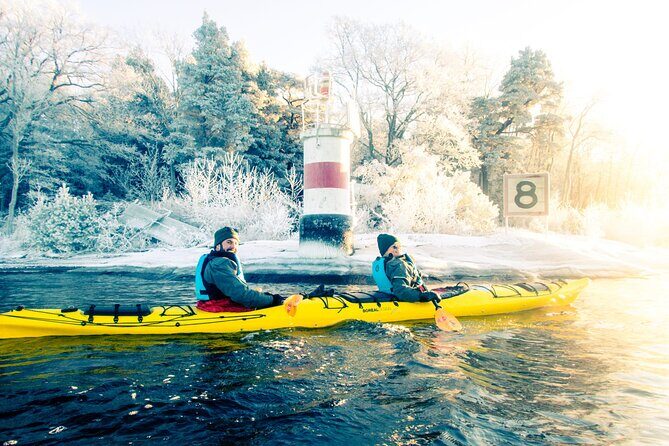
Trudging into snow-country feels like a reset button. This Stockholm wilderness hike takes you just outside the city for a day of quiet forest walking, Swedish plant and animal lessons, and a warming campfire lunch. I really like how it’s built for real winter conditions, not a quick photo stroll.
Two things I love: the focus on the forest itself (not just “walking from A to B”), and the mid-hike campfire lunch with hot coffee or tea. On one outing, the guide Lukas kept the information flowing at a good pace and even worked with a vegan diet request.
One consideration: meeting point access can be tricky if you’re not already near central areas, and timing matters on a small-group tour—if you’re late, you may miss the departure.
In This Review
- Key points worth knowing
- Why this winter hike feels different from a city tour
- Getting from Stockholm to the nature reserve fast
- The main hike: forest walking, plants, animals, and secret spots
- What to watch for on the trail
- The campfire lunch at noon: why it’s the heart of the day
- What makes the lunch setup feel authentic
- Dietary needs
- Torch lamps and the timing of winter daylight
- Optional frozen lake walking: stunning if conditions allow
- Small group energy: why max 8 is a big deal here
- What’s included (and how that affects value)
- What to bring so you stay comfortable (not just tough)
- Who this tour is best for
- The one real risk: meeting point timing and arrival confidence
- Price reality check: what you’re paying for at $149
- Should you book this Stockholm campfire hike?
- FAQ
- How long is the Stockholm nature hike with campfire lunch?
- What’s the group size?
- Is the guide available in English?
- How do you get from Stockholm to the nature reserve?
- What food is included?
- Is there time for warmth during the hike?
- Will we hike in winter conditions with limited daylight?
- Is walking on a frozen lake guaranteed?
- What should I bring?
- Can the tour handle special diets?
Key points worth knowing
- Small group (max 8): more time with your guide, less crowd noise in the woods
- English live guide: Swedish nature facts explained in plain, practical language
- Campfire lunch + fika: warm food is part of the experience, not an afterthought
- Winter realism: torch lamps help when daylight drops early in Sweden
- Animal-spotting window: afternoon is usually your best chance on the trail
- Frozen lake option (if conditions allow): one of the most memorable stretches when it works
Why this winter hike feels different from a city tour
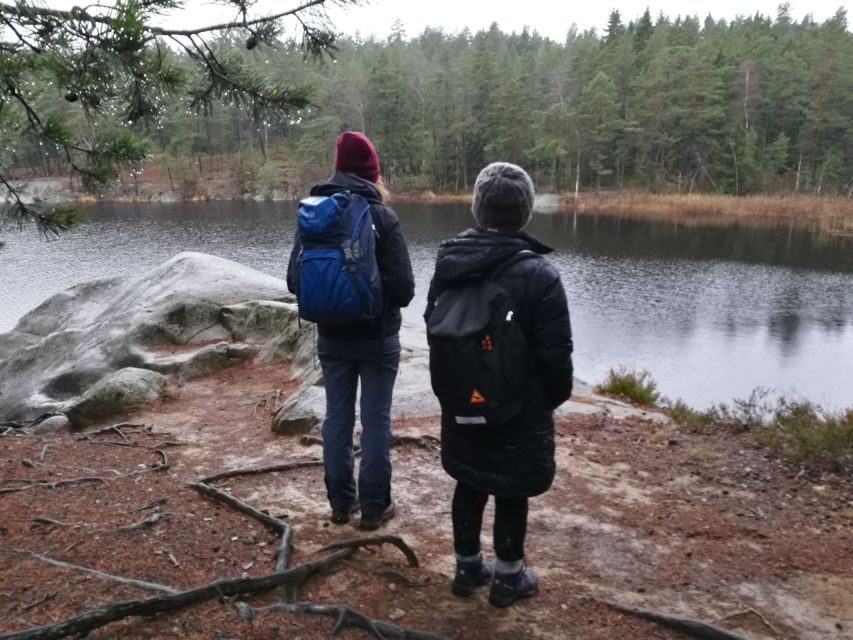
Stockholm is gorgeous, but it’s also busy. This experience is a clean break from streets and schedules. In about 15 minutes, you’re swapped from city air to snowy forest, and the day turns into slow, steady movement through the natural world.
What makes it special is the balance of wonder and structure. You’ll learn while you walk—plants, Scandinavian animals, and bits of culture/history tied to how people live with this landscape. And you’re not just stuck on marked paths; you’ll be encouraged to avoid them when possible so you feel the forest depth and its quieter corners.
Other hiking and national park tours in Stockholm
Getting from Stockholm to the nature reserve fast
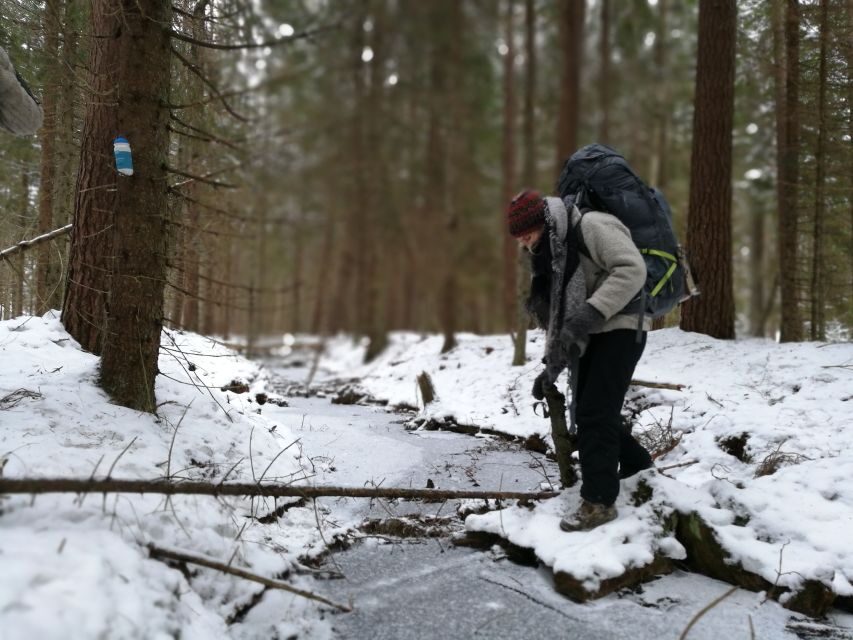
You’ll head to a set meeting point and then take a short drive—about 15 minutes—to a nature reserve outside Stockholm County. That quick transfer matters. It keeps the tour from feeling like a long bus ride before you even start walking.
Once you arrive, you’ll get into winter mode right away. You’ll put on a wooly hat and begin the hike into the pristine snow, so you’re ready before the cold has a chance to “catch up” to your body. It’s a small detail, but it helps you stay comfortable and focused on the walk.
The start also sets expectations for how the day runs: a steady outdoor rhythm with stops built around warmth and visibility, not a rush to finish.
The main hike: forest walking, plants, animals, and secret spots
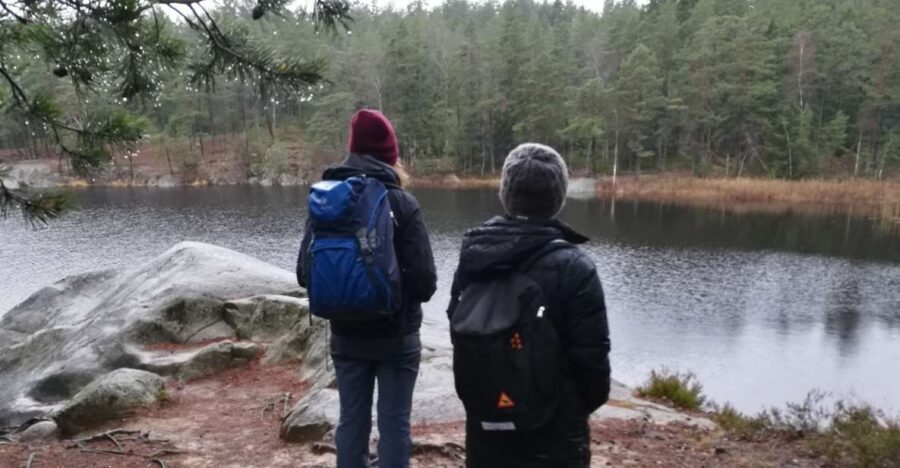
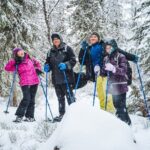
The core of the day is the hike itself, and it’s paced for immersion in the environment—without turning it into a lecture. As you move, your guide will point out Swedish plants and wildlife, and explain what you’re seeing and why it matters.
You’ll also learn about natural scenery and how Swedish nature connects to everyday life in the region. The tour encourages you to avoid paths as much as possible, when conditions allow, so you can appreciate the depth of the forest. That means fewer straight lines and more “follow the terrain” moments—great if you like nature that feels real, not curated.
What to watch for on the trail
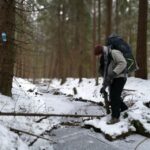
In winter, your biggest “read” is the ground. Expect snow cover and some slippery patches, so your footing and speed matter more than your fitness level. If you bring sturdy winter boots, you’ll feel more confident when the terrain tilts or compresses underfoot.
Also, the afternoon portion is usually when animal sightings are more likely. You’ll be moving through the reserve during the hours when wildlife tends to be more active or noticeable, especially if temperatures are cooperative.
The campfire lunch at noon: why it’s the heart of the day
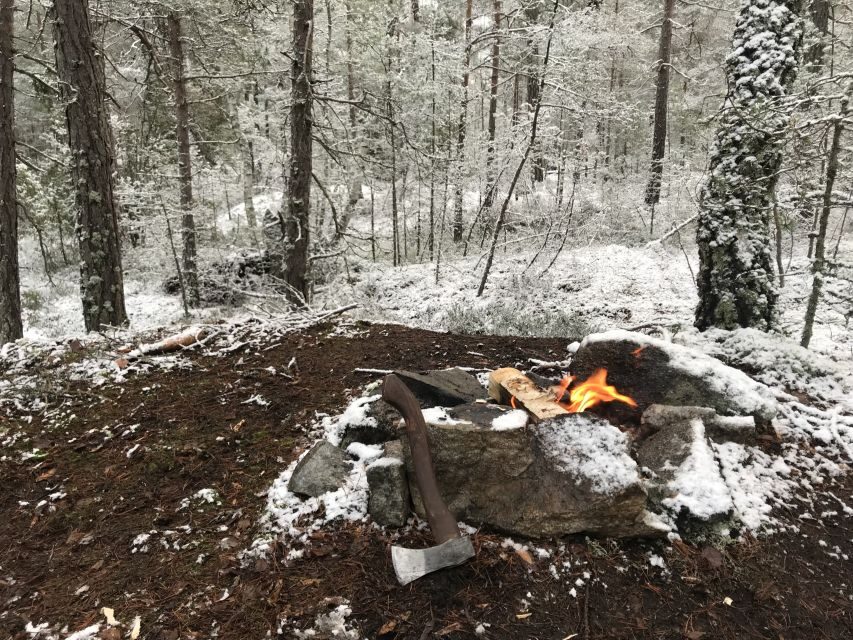
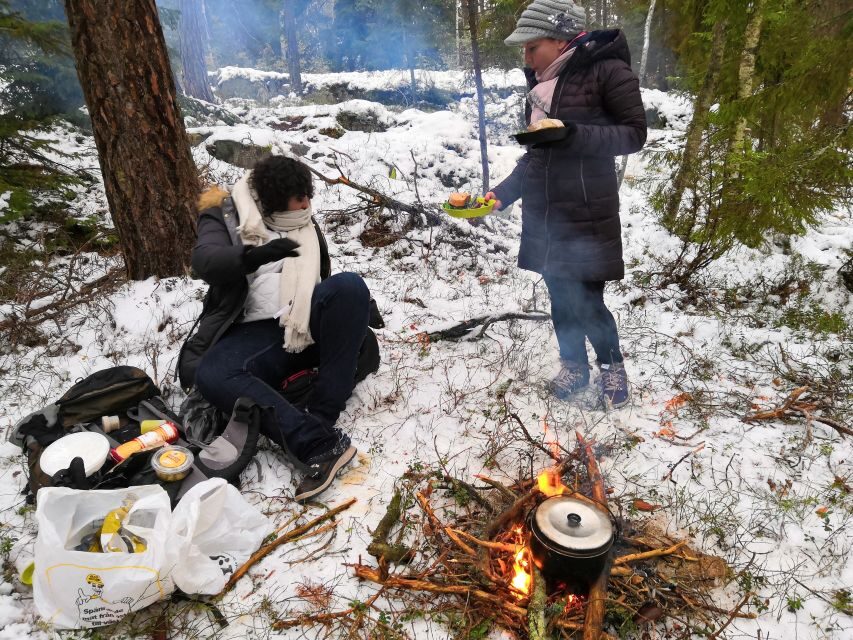
Around noon, you’ll take a break and build a fire to warm up. This is the emotional center of the tour. After hours outside, hot food and firelight change your whole energy level.
Lunch is cooked on the campfire, and you’ll enjoy it warm, not rushed. Along with the meal, you’ll have fika—coffee or tea with snacks—prepared over the open flames. In plain terms: this is how you stay outside longer without feeling like you’re just “surviving” the cold.
A few more Stockholm tours and experiences worth a look

What makes the lunch setup feel authentic
This doesn’t feel like a picnic disguised as an attraction. It’s structured like a winter survival skill you can learn to appreciate: start fire, warm up, eat hot food, and reset your hands and cheeks. One review highlighted the campfire lunch as a standout moment, and it’s easy to see why—fire makes everything better when it’s cold.
Dietary needs
If you have dietary restrictions, write them in advance. The tour includes lunch and fika, and your guide can plan accordingly. One guide, Lukas, was noted as accommodating a vegan diet on at least one run, which is a good sign that you won’t be left without an option—just don’t wait until the day-of to mention needs.
Torch lamps and the timing of winter daylight
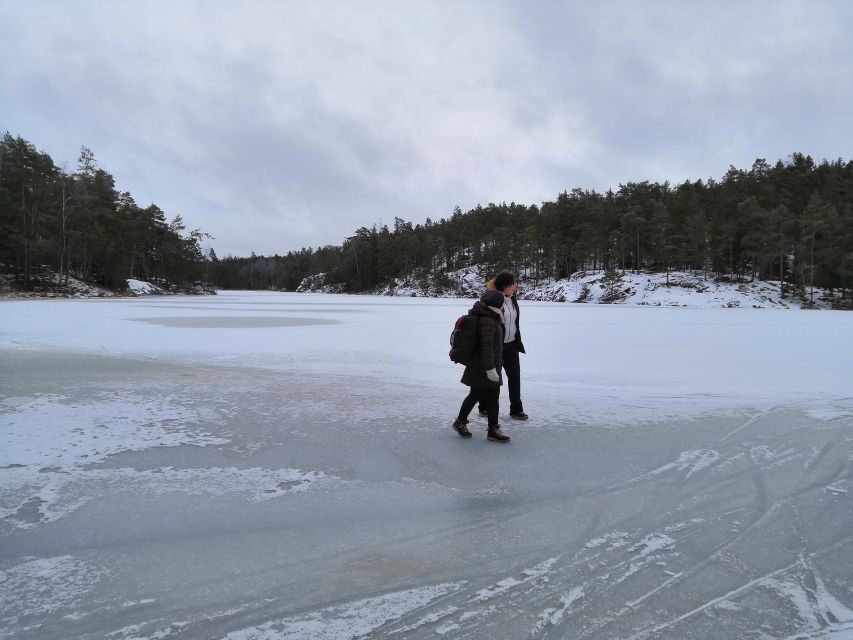
In Swedish winter, daylight can fade fast. The tour accounts for that with torch lamps for the last part of the hike when the sun sets earlier than you might expect.
This is a practical and comforting detail. It means you’re not left guessing about visibility or scrambling for light as the temperature drops. You’ll still be hiking, just with better guidance on how the final stretch will look and feel.
Optional frozen lake walking: stunning if conditions allow
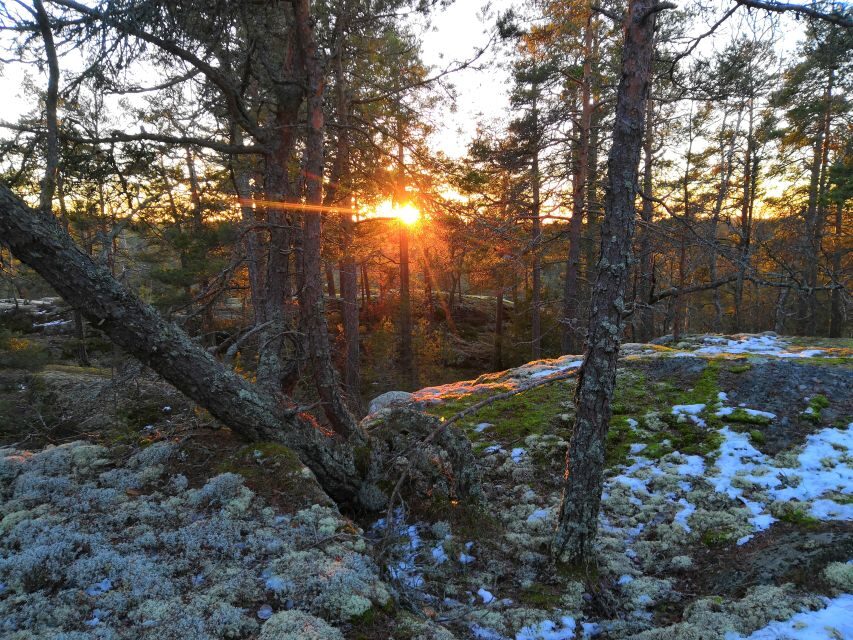
On the way out of the nature reserve, you may walk on a frozen lake, depending on the temperature and conditions. When it works, it can be one of the most memorable stretches of the day—open space, quiet snow, and that special winter stillness.
But you should treat it as conditional. The tour notes it’s only if conditions allow, which is the right approach for safety and reality. If the lake isn’t suitable that day, you’ll still get plenty of forest walking without feeling like you “missed” the main event.
Small group energy: why max 8 is a big deal here
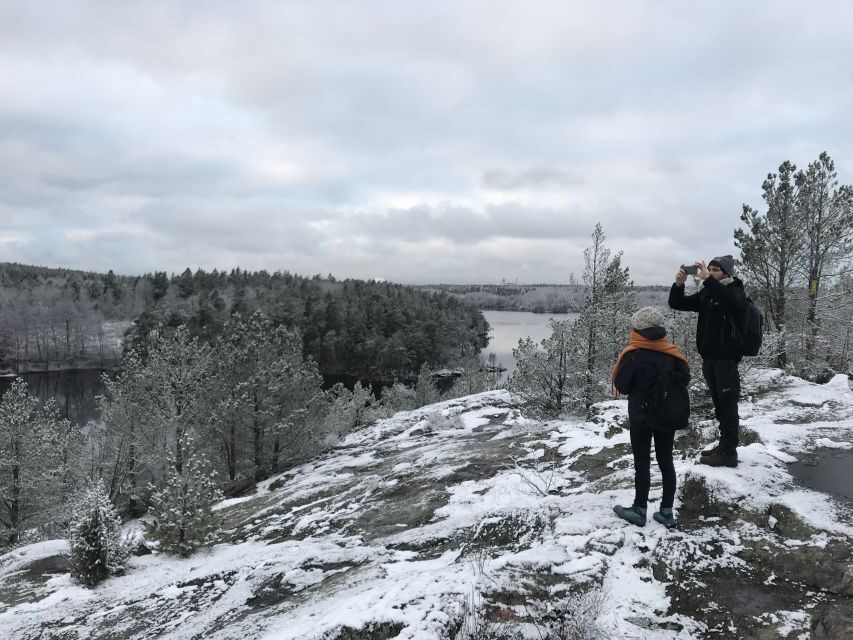
A limit of 8 participants changes the whole feel. In a small group, your guide can adjust to your pace, answer questions while you’re still warmed up by the fire, and keep the conversation grounded in what you’re actually seeing.
It also helps with learning quality. If you’re the kind of traveler who likes asking one more question about animal tracks or tree types, you’ll get more room here than on big tours where everyone streams by like a conveyor belt.
What’s included (and how that affects value)
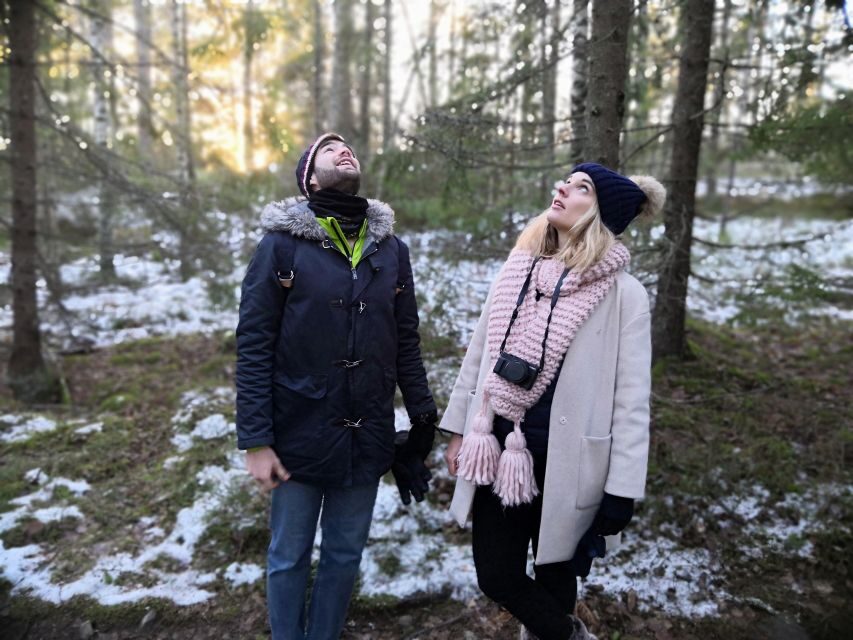
For $149 per person and a 7-hour duration, you’re paying for a guided winter day that includes:
- Guide (English, live)
- Lunch cooked on a campfire
- Fika (coffee/tea + snacks)
- Transportation to and from Stockholm
That combination is the value engine. A guided hike alone would cost something, but adding the campfire meal and included transport means you’re not piecing together multiple activities or spending extra time trying to find lunch in the cold.
Is it the cheapest way to see winter outdoors? No. One review felt the price wasn’t worth it, so your expectations should be realistic: this is an organized, guided nature day with real winter structure, not a casual self-guided wander.
What to bring so you stay comfortable (not just tough)
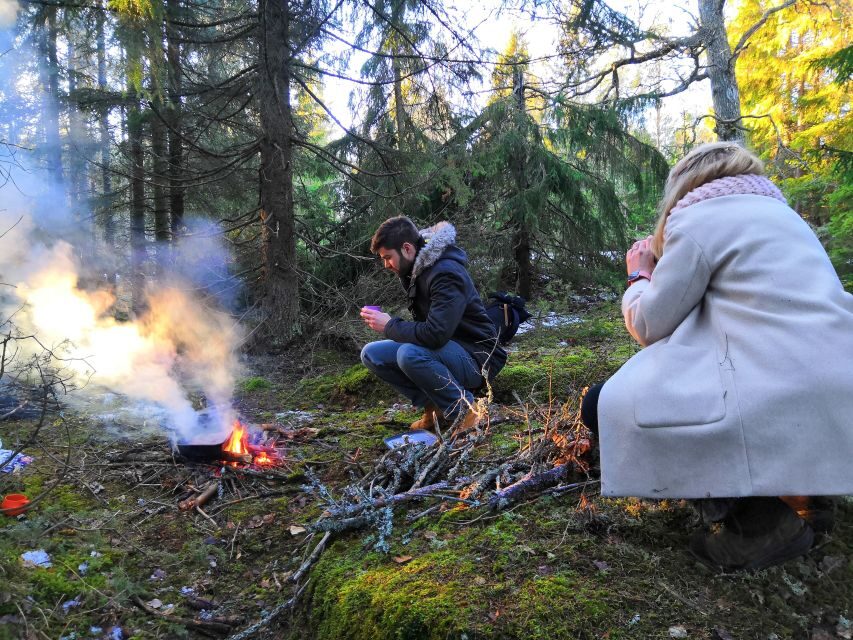
The tour’s biggest “gear” advice is simple: dress warm, protect your feet, and plan for snow + possible rain. Bring:
- Warm clothing and a jacket
- Warm socks
- Rain gear
- A daypack
- Hiking shoes/boots that are waterproof and grippy
- A camera
- Waterproof shoes if you have them
If your shoes aren’t winter-ready, you’ll feel it fast. Cold feet turn a beautiful hike into an endurance test. I’d rather you be slightly overprepared than underprepared.
Who this tour is best for
I’d point this toward you if you want a winter nature experience that’s both calming and educational. It’s a good fit for:
- People who like guided walks with real context about plants and wildlife
- Travelers who want hot food and warmth built into the schedule
- Small-group fans who prefer a slower pace over crowds
If you’re mainly after major city sights or a hands-off “just tell me where to stand” tour, this won’t match your vibe. The day is all about the outdoors.
The one real risk: meeting point timing and arrival confidence
One review raised a clear issue: the meeting point can be hard to reach for someone not already familiar with the area, and there was a late arrival that caused the tour to continue without the participant.
I can’t predict how that exact situation would play out for you. But the lesson is straightforward: give yourself extra buffer time and confirm where you’re meeting before you set out. On a small tour, being late doesn’t just delay the group—it can remove you from the experience.
Price reality check: what you’re paying for at $149
At $149 for 7 hours, you’re funding four things at once: expert guiding, small-group management, winter logistics (transport + torch lamps + camp setup), and included food.
If you’re the type who enjoys learning details—how Swedish forests work, what to look for, and why certain times of day matter for wildlife—then the price starts to make sense fast. If you’re purely chasing a view and would rather do everything independently, the cost can feel harder to justify.
My advice: treat it like paying for a guided winter day that handles the uncomfortable parts so you can enjoy the good parts.
Should you book this Stockholm campfire hike?
If you want a real winter outdoors day with campfire lunch, fika, and a small-group guide who’ll talk about plants and animals while you walk, then yes—this is worth serious consideration. The structure is strong, and the included warmth and transport reduce common pain points of winter travel.
But if you’re worried about getting to a specific meeting point on time or you prefer flexible, self-paced plans, you’ll need to plan carefully. Arrive early, pack proper winter gear, and be ready for snow-ground conditions.
Book it when you want nature first and logistics handled second. That’s when this tour delivers.
FAQ
How long is the Stockholm nature hike with campfire lunch?
The tour lasts 7 hours.
What’s the group size?
It’s a small group limited to 8 participants.
Is the guide available in English?
Yes. The tour has a live English guide.
How do you get from Stockholm to the nature reserve?
You’ll take transportation to and from Stockholm, including a short 15-minute drive to the nature reserve.
What food is included?
Lunch is included and cooked on a campfire, plus fika (coffee/tea with snacks).
Is there time for warmth during the hike?
Yes. Around noon you’ll build a fire and warm up before enjoying lunch.
Will we hike in winter conditions with limited daylight?
Yes. In winter, torch lamps are used for the later part of the hike when the sun sets earlier.
Is walking on a frozen lake guaranteed?
No. Walking on a frozen lake is only if temperature and conditions allow.
What should I bring?
You should bring warm clothing, a jacket, rain gear, socks, a daypack, hiking shoes/boots (waterproof), and a camera.
Can the tour handle special diets?
You should share any diet needs in advance. The tour includes lunch and fika, and a vegan diet was accommodated on at least one recent outing.