REVIEW · WALKING TOURS
The Story of Stockholm and Sweden in Three Chapters, a Small Group Walking Tour
Book on Viator →Operated by Stockholm DriveAndGuide · Bookable on Viator
Three chapters, one walk. You get a fast, clear story of Sweden’s past as you move from island beginnings to kings, parliaments, and modern life. It’s a small-group outing capped at 10 people, so questions feel normal and not like yelling into the wind.
I especially like the admission included approach. You’re not burning time in lines, and you get chances to see open palace areas along the way. One catch: the stops are brief and the pacing is history-heavy, so if you love lingering for photos or reading every plaque, you may feel a little rushed.
The payoff is the way the tour ends in the Old Town area, close enough to catch the changing of the guards vibe afterward. Even better, it’s set up for people who want facts with a storyline, not a list of names.
In This Review
- Key points to know before you go
- A three-chapter walk through Stockholm’s big moments
- Pricing, timing, and group size: what you’re really paying for
- Start at Gamla Stan Metro: your timeline begins underground
- Why this opening works (and what to bring)
- Stop-by-stop: Chapter One at Riddarholmen
- Stop-by-stop: Chapter Two at Riddarhuset, Vasabron, and the Estates
- Stop-by-stop: Chapter Three by the Royal Palace and Stortorget
- Why the modern Sweden thread matters for your trip
- Who this tour fits best
- FAQ
- FAQ
- How long is the Story of Stockholm and Sweden in Three Chapters walking tour?
- What size is the small group?
- Is the tour offered in English?
- Where do I start and where does the tour end?
- Is admission included during the tour?
- Is there free cancellation?
- Should you book this three-chapter walk?
Key points to know before you go
- Three-chapter storyline that turns streets and statues into a timeline you can remember
- Admission included along the way, so you keep moving instead of waiting in ticket lines
- Max 10 travelers, which makes a walking format work (and feel personal)
- Lots of Swedish power centers, from Birger Jarl to Gustav Vasa to the Parliament system
- Modern connections that help explain how today’s Swedish culture and business energy grew
A three-chapter walk through Stockholm’s big moments
This tour is built like a history lecture you can actually walk with. You start with the earliest layers of Stockholm’s story, then jump through the rise of Swedish sovereignty, and finish with the political ideas and stability that shaped the welfare state and modern Sweden.
What makes it work is that each place is treated like a chapter marker. You don’t just pass monuments. You get context right there on the sidewalk, so the names and dates make sense immediately.
Also, it’s designed for a practical visit. It runs about 2 hours, starts at 10:00 am, and stays in central Stockholm where you can connect easily with your other plans.
Other walking tours we've reviewed in Stockholm
Pricing, timing, and group size: what you’re really paying for
The price is $61.28 per person, and that sounds like a lot until you notice what’s included. The tour uses a mobile ticket, and admission is part of the experience as you go, which means you can skip the worst of ticket-line friction.
Since the group is limited to 10 travelers, you’re paying for a guided pace that works on foot. In other words, you’re not just buying narration. You’re buying smooth logistics: clear meeting point, tight timing at each stop, and enough access to see key areas without breaking your day.
The tour is in English, and it asks for a moderate physical fitness level. Expect walking through cobblestones and city streets, with short bursts at each stop.
Start at Gamla Stan Metro: your timeline begins underground
You begin under the city at Gamla Stan Metro station, inside/under ground, right in front of the Pressbyrån kiosk. That’s a smart choice. It gets you oriented fast before you even step into the Old Town feeling.
From there, the first stops act like your “origin story” section. The tour starts at a historical marker at Riddarholmen, and it’s framed from the ice age to the first settlements on the islands. This is the kind of setup that makes the rest of the day click. You understand why these places mattered before you hear about anyone’s crown.
Then there’s a practical bonus: you also get to walk around and visit open parts of the palace nearby. Instead of only hearing about royalty from a distance, you get a real sense of how the setting shaped power.
Why this opening works (and what to bring)
- Wear shoes you trust on stone streets. The tour is short, but the walking adds up.
- Have your phone charged. You’ll likely want to map where you are and confirm timing for later sights.
- If you love timelines, this start is good medicine. It reduces that early Stockholm confusion where everything feels like one big medieval blur.
Stop-by-stop: Chapter One at Riddarholmen
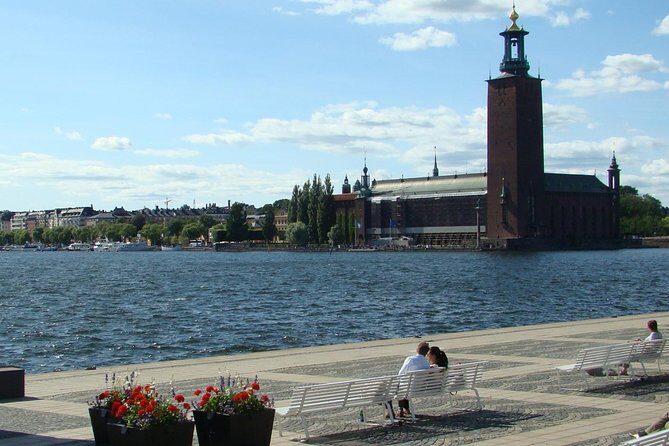
This is the part of the walk where you move from the prehistoric why to the early written record. It’s mostly about getting your mental map and understanding how Stockholm became a named place.
Stop 1: Riddarholmen historical marker (about 15 minutes)
You’re set up for Chapter One here. The talk moves from deep beginnings into early settlement. It’s not only dates—it’s how geography and island life helped shape where people built and governed.
Stop 2: Riddarholmen (about 10 minutes)
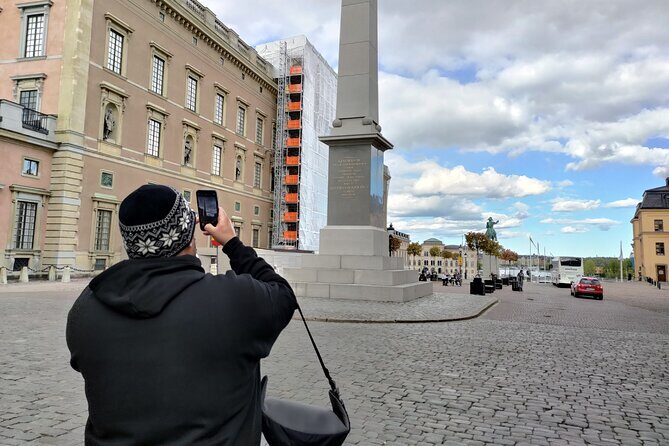
Outside Riddarholmen Church, you’ll meet the presumed founder of Stockholm: Birger Jarl, or at least his statue. The tour points to 1252, the year when Stockholm is first mentioned in a written text that’s preserved. The story is anchored with the idea that Birger Jarl signed the paper tied to that first mention.
This stop matters because it turns a church-area landmark into a real origin moment. Instead of thinking of Riddarholmen as just a photogenic stop, you leave understanding it as part of Stockholm’s early naming and authority.






Stop-by-stop: Chapter Two at Riddarhuset, Vasabron, and the Estates
Chapter Two is where the pace feels more political and more dramatic—because Sweden’s story here includes power shifts, religious change, and that famously grim Stockholm period.
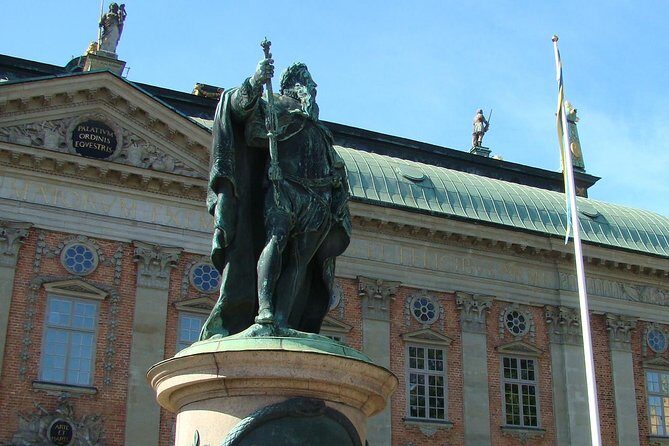
Stop 3: Riddarhuset (about 10 minutes)
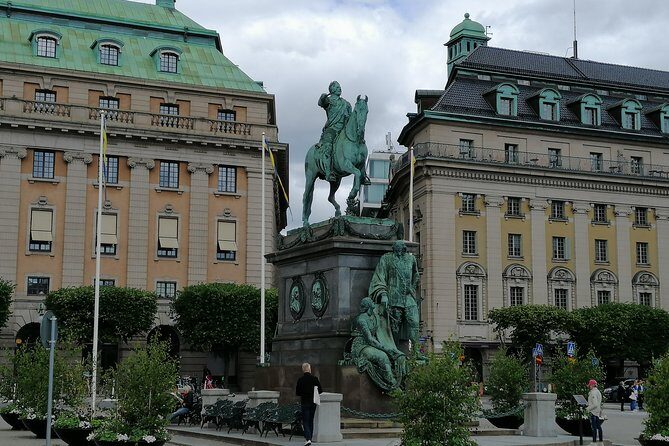
You pause outside Riddarhuset, the House of Nobility. The statue of Gustav Vasa is part of the lesson, as he’s described as the father of Sweden. The chapter framing starts with 1523, when Gustav Vasa marched into Stockholm.
The tour also ties this era to a turning point in sovereignty. It presents Sweden as becoming a sovereign state after that moment, described as never occupied by foreign powers afterward.
Then comes the darker episode: the bloodbath of Stockholm, organized as an uprising against a southern neighbor that had control of Sweden. The tour connects it to the killing of 80 to 100 noblemen and then links the political break to religious transformation—changing Sweden’s religion from Catholicism to Lutheran Protestantism.
It’s heavy history in a short space, but the setting makes it easier to absorb.
Stop 4: Vasabron (about 10 minutes)
You continue to the other side near Vasabron. Here, the story shifts from a single ruler to his heirs and the next era of Swedish power. The tour highlights Gustav II Adolf, the grandson of Gustav Vasa, as a major warrior king.
The big takeaway: during his reign, the Baltic Sea is described as becoming almost like an inland sea, surrounded by Swedish possessions. Standing near a bridge helps you picture trade, movement, and control without needing a map lecture.
Stop 5: Parliament Building, Riksdagshuset (about 10 minutes)
Next you reach the political backbone. The tour explains how the predecessor of parliament was the Riksdag of the Estates (Ståndsriksdagen), where nobility, clergy, burghers, and peasants met separately before coming together with the king in the palace.
It also tracks the long timeline of representation: until 1866, this system was the highest authority next to the king. Then 1866 introduces a two-chamber parliament, still with unequal voting rights. The tour finishes this political thread with the first elections with general suffrage in 1921, after a long political struggle led by liberals and socialists.
This stop is great if you care about how democracy grows slowly, not instantly. It’s a reminder that Sweden’s modern stability didn’t appear out of nowhere.
Stop-by-stop: Chapter Three by the Royal Palace and Stortorget
Chapter Three moves through battlefield outcomes, then shifts toward ideas—arts, science, education—and ends with what Sweden became known for globally.
Stop 6: Lejonbacken by the Royal Palace (about 10 minutes)
You start on the north side of the Royal Palace at Lejonbacken. The story here begins with Swedish ambitions hitting a wall: Peter the Great of Russia ends Sweden’s dreams of being a great power in Northern Europe.
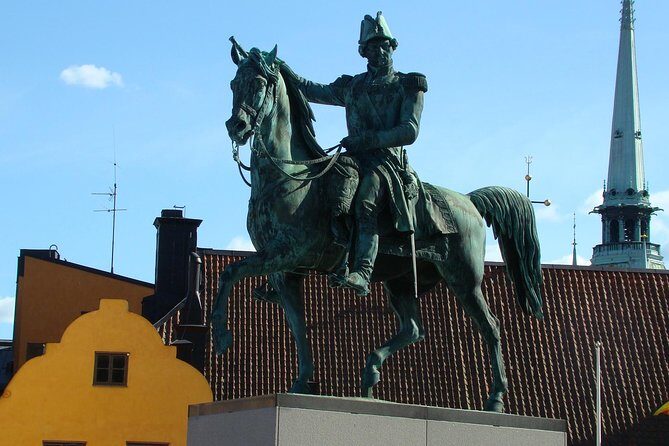
The tour then points to Karl XII, described as the last warrior king. His statue points east, tied to his early victories. But in the end, he’s described as defeated by Peter the Great in Poltava in 1709.
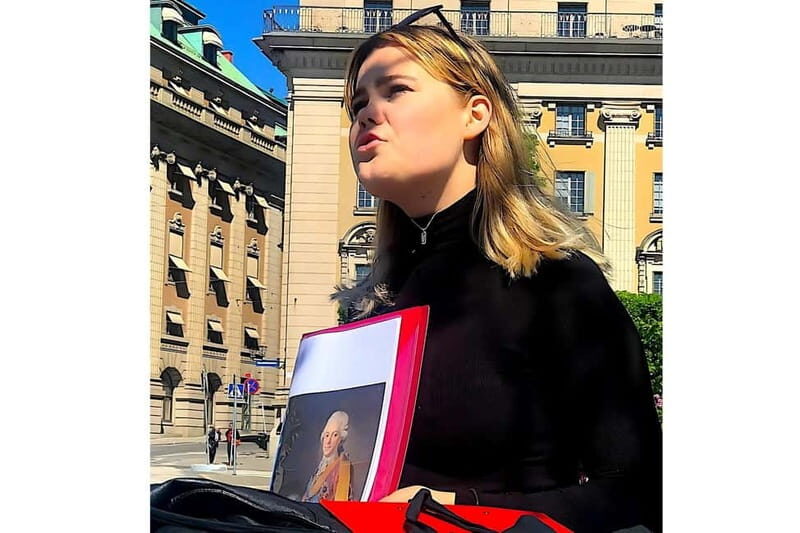
Then you get the turn from war to ideas. The tour frames the Age of Enlightenment as pushing growing interest in arts and science. It also mentions Gustav III as an enlightened despot with a strong interest in theatre and contributions to those fields.
This is where the tour starts feeling like a story of people thinking forward, not just marching forward.
Stop 7: Stockholm Old Town (about 20 minutes)
Below the statue of Carl XIV Johan, you’re in the era of diplomacy and national development. The tour explains that he was the first of the Bernadottes and was imported from France in the early 19th century to win back what was lost to the Russians.
Instead of repeating war, the focus shifts to diplomacy, infrastructure, and education. The tour also mentions that in 2014 Sweden celebrated 200 years of peace.
Then the big modern link comes in: industrial revolution, natural resources, and Swedish inventions are described as creating a foundation for the welfare state. It then connects that foundation to entrepreneurs continuing the development into the 20th and 21st centuries.
This is where you’ll likely appreciate the promise that the tour connects history to modern companies. Even if you’re not a business-history person, it helps you understand why Sweden’s tech and design reputation didn’t appear by accident.
Stop 8: Stortorget (about 10 minutes)
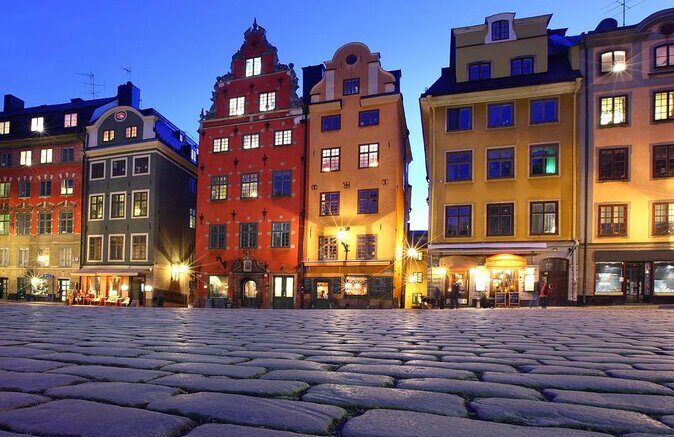
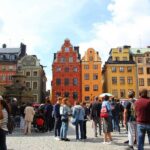
The tour ends at Stortorget, and the location is chosen with purpose. The Nobel Prize Museum sits here, and the tour explains that the Swedish Royal Academies designate Nobel Prize winners in major fields of science and art.
You also finish near the Royal Palace with perfect timing for the changing of the guards. The tour notes that during summer months, the parade marches or rides with the Music Corps through up to the Outer Courtyard of the palace. If you’re there in season, plan your next steps so you don’t miss that final sight.
Why the modern Sweden thread matters for your trip
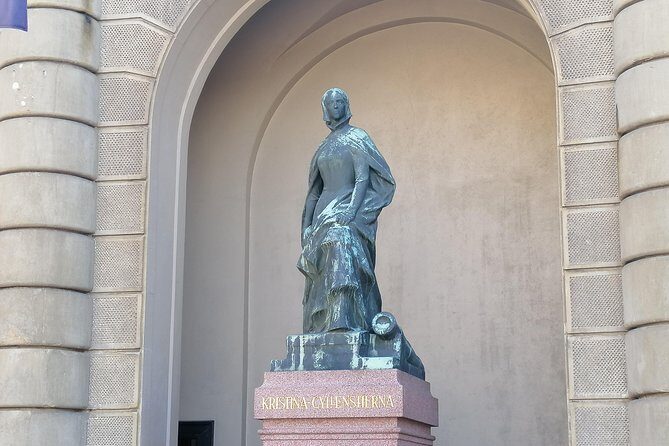
Some guided history walks stop at the medieval era and call it a day. This one uses the whole arc—past to present—so you understand what you’re looking at while you’re still in Stockholm.
The biggest modern lesson is that Sweden’s stability is tied to long political evolution. The Estates system, the delayed equal voting rights, and general suffrage in 1921 form the backdrop for the later welfare state described on the walk.
Then the tour connects that background to innovation and entrepreneurship, which helps explain why Swedish brands like Spotify and IKEA can feel so connected to Swedish identity instead of being random global successes.
If you like turning your city visit into cause-and-effect thinking, you’ll enjoy how the tour keeps linking people, institutions, and outcomes.
Who this tour fits best
This is a good match if you want:
- A small-group history walk that stays organized and paced
- A guided way to connect statues and buildings to the bigger Swedish story
- A focused 2-hour plan that doesn’t eat your whole day
It’s less ideal if you prefer museum-style wandering where you can spend 45 minutes on one room. The tour is built around short stops—so you’re meant to learn fast, then explore on your own after.
If you’re traveling with limited time, it’s also a smart choice. Starting at 10:00 am and finishing near Stortorget gives you a strong base for lunch, photos, and a Nobel Prize Museum stop if you want it.
FAQ
FAQ
How long is the Story of Stockholm and Sweden in Three Chapters walking tour?
It lasts about 2 hours.
What size is the small group?
The tour caps at a maximum of 10 travelers.
Is the tour offered in English?
Yes, it is offered in English.
Where do I start and where does the tour end?
It starts at Munkbrogatan 8, 111 27 Stockholm (near the Gamla Stan Metro station area) and ends near Stortorget, 111 29 Stockholm.
Is admission included during the tour?
Yes. The tour includes admission along the way, helping you avoid waiting in ticket lines.
Is there free cancellation?
Yes, you can cancel for a full refund up to 24 hours in advance of the experience’s start time.
Should you book this three-chapter walk?
If you want Stockholm history that feels organized and practical, I’d book it. The three-chapter structure, the small-group size, and the way the tour connects rulers, politics, and modern Swedish identity make it a strong use of a short day.
Book it especially if you like walking with context—standing at statues and buildings with a clear timeline in your head. Skip it only if you need slow pacing, long museum time, or deep independent wandering. This tour is designed to move, teach, and then let you take the rest of your day from there.