REVIEW · 1-DAY TOURS
Private Tour: Swedish History Day Trip to World Heritage Candidate Markim-Orkesta from Stockholm
Book on Viator →Operated by Sweden History Tours · Bookable on Viator
A Swedish history day trip worth slowing down for. You’ll bounce from Viking power spots to medieval churches, then end with an Icelandic horse farm stop.
I like that this is a private setup with a real guide, so the stories land instead of feeling like a quick bus stop checklist. I also love the mix of eras—Bronze Age to Viking Age to medieval Christianity—tied together by churches, runestones, and burial rituals.
One consideration: at about 5 hours, you’ll need to keep lunch flexible, since most of the time is spent walking short stretches and moving between sites.
Key points before you go
- Private guide, up to 12 people max: your group moves at your pace.
- Markim–Orkesta candidate area: you’ll connect runes, churches, and burial stories in one loop.
- Viking assembly at Arkils tingstad: a specific place tied to governance, not just mythology.
- Inga’s runestones at Snåttsta: the story shifts from kings to a wealthy woman shaping memory on her land.
- Lindholmen ruins tied to King Vasa: a “very likely” birthplace angle with a real political twist.
- Icelandic horse farm stop: a hands-on farm break with a traditional red barn and 40 horses.
In This Review
- Viking and Christian Sweden, in One Neat Circuit North of Stockholm
- The Private Format: Why It Feels Less Like a Tour and More Like a Lesson
- Stop 1: Arkils Tingstad and the Viking Assembly Place by the Lakeside
- Stop 2: Vallentuna Church, Runestones, and the Christianity Shift
- Stop 3: Husbyöhns Islandshästgård Icelandic Horse Farm Break
- Stop 4: Snåttsta Gård AB and Inga’s Runestones on Her Farm
- Stops 5 and 6: Lindholmen Ruins and the King Vasa Story (Without Overpromising)
- Lindholmen (Stop 5)
- Orkesta kyrka (Stop 6)
- Stop 7: Vallentuna Lunch Stop and How to Make the Day Comfortable
- What’s Included, What’s Not, and How to Judge the Price
- Who This Trip Fits Best (and Who Might Prefer Something Else)
- Should You Book This Markim–Orkesta Swedish History Day Trip?
- FAQ
- How long is the Swedish History Day Trip to Markim-Orkesta?
- Is this a private tour?
- What language is the tour offered in?
- What’s the meeting time?
- Do I get hotel pickup in Stockholm?
- Is lunch included?
- Are admissions included for the stops?
- How big is the group for a private booking?
- Can I cancel for a full refund?
Viking and Christian Sweden, in One Neat Circuit North of Stockholm
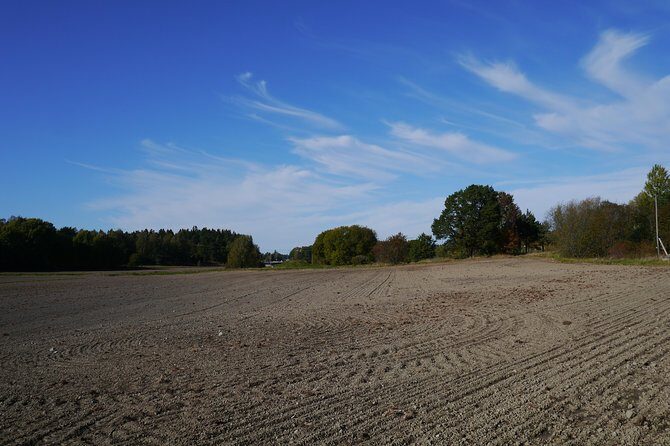
This day trip is built around one core idea: Swedish history isn’t a straight line. It’s layers. At Markim–Orkesta (a UNESCO World Heritage candidate area), you see how communities marked time—first with runes and rituals, then with church stonework and medieval Christian life.
What makes it feel special is that you’re not just looking at ruins from afar. You’re shown the meaning behind them: Viking assembly culture, rune-stone storytelling, burial rituals, and the big societal shift that followed Christianization. You’ll also get a real pause in the middle of it all at an Icelandic horse farm, which keeps the day from turning into nonstop churches and stones.
The trip also rewards people who like stories with details. The way guides explain runestones and the Ulv legends (the Viking tied to plundering England three times) turns carved text into something you can picture on the ground.
The Private Format: Why It Feels Less Like a Tour and More Like a Lesson
This is a private tour, and that matters more than you might think. The vehicle is yours (or your group’s), and the guide can adjust the pace if you want more time at one stop or you’re moving slower than expected.
The guide quality seems to be a huge highlight. I’m not going to pretend every departure is identical, but the pattern is clear: guides such as Felix, Jonathon, Calle, and Angus have been praised for clarity, flexibility, and for answering questions without rushing you out the door. One standout detail from feedback: Felix’s English was described as very easy to understand, and Angus was noted for fielding personal questions about life in the area over multiple generations.
Even the structure helps. Each stop is long enough to walk around and absorb, but short enough that the whole loop stays around the 5-hour mark. That balance is what you want on a day trip—enough time to care, not so much time that you start watching the clock.
Other private and hidden-gems tours in Stockholm

Stop 1: Arkils Tingstad and the Viking Assembly Place by the Lakeside
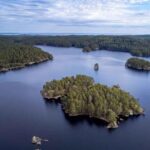
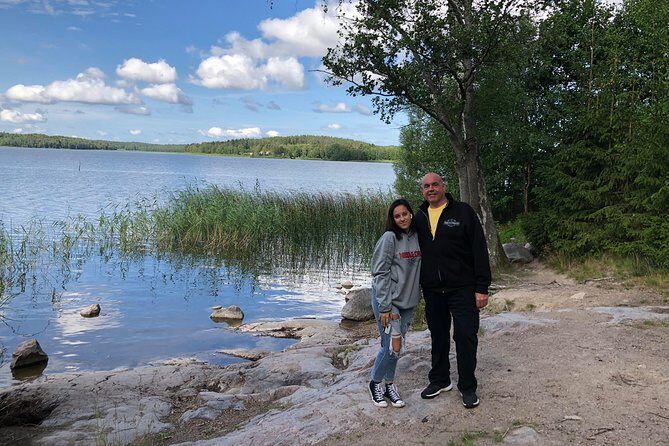
Your day starts at Arkils tingstad, described as a Viking assembly place. This is one of those stops where the setting does part of the storytelling. You’re not only hearing about Viking Age politics in theory—you’re standing at a site tied to how decisions may have been made.
You’ll spend about 30 minutes here. The key is that it’s positioned as more than a photo spot. The guide’s job is to connect the Viking Age to real social life: gatherings, leadership, and the kinds of discussions that would have mattered to people living around the lakes.
If you like history that feels practical (who decided what, how communities organized), this is a strong opener. You’ll get oriented for the day before you move into churches and runes.
Possible drawback: if your interest is strictly in medieval buildings, you might need to adjust expectations. This first stop is Viking-focused and lighter on architectural drama.
Stop 2: Vallentuna Church, Runestones, and the Christianity Shift
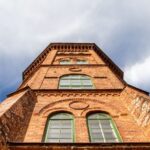
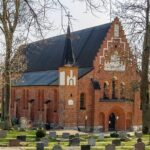
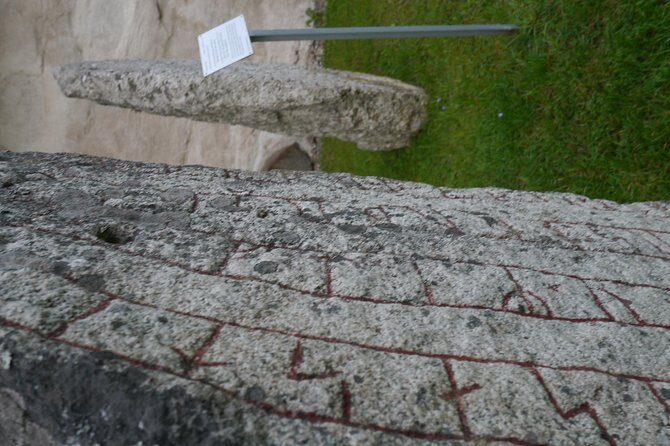
Next up is Vallentuna church, a 12th-century church with two Viking Age runestones. In a lot of places, runestones become roadside artifacts. Here, the value is how they’re positioned within a working church history—old markings living inside newer stone traditions.
You’ll also hear about transformation: the guide connects how Christianity changed Swedish society. That theme runs through the whole Markim–Orkesta circuit, but Vallentuna is a good place to notice the contrast. When Viking stories meet church walls, you start seeing the bigger picture: religion wasn’t only belief. It changed power, burial, and what got remembered.
At this stage, your route also points toward the wider Markim–Orkesta area—where you’ll learn about Viking burial rituals and how they declined after Christianization. There’s also talk of frescoes in the medieval church context, which helps if you’re someone who likes visual evidence instead of only text and talk.
Where this stop pays off: it’s the bridge from “Viking Age culture” to “how Swedish society became medieval Christian society.”
Where you should watch the clock: stop time here is listed as 30 minutes. If you want extra time inside, ask early—private tours can often flex, and feedback suggests guides are willing to adapt when you request it.
Stop 3: Husbyöhns Islandshästgård Icelandic Horse Farm Break
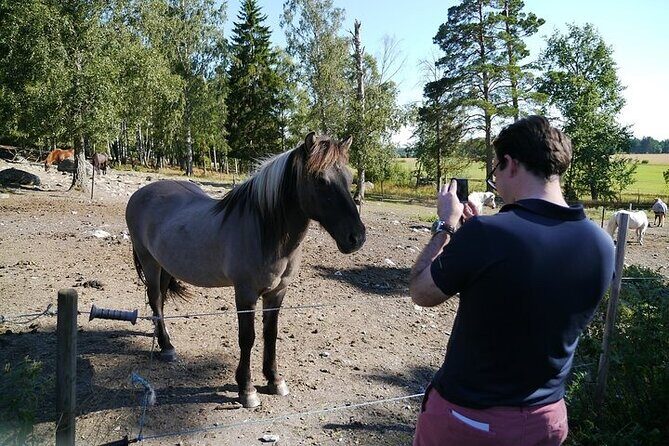
Halfway through the history circuit, you get a breath of fresh air at Husbyöhns Islandshästgård—an Icelandic horse farm stop.
This is around 40 minutes, and it’s one of the most appealing parts of the day for many people because it breaks the “stones and churches” rhythm. You’ll greet the horses and, if owners are there, you may be able to talk with them. That human connection is a big part of the enjoyment described in feedback.
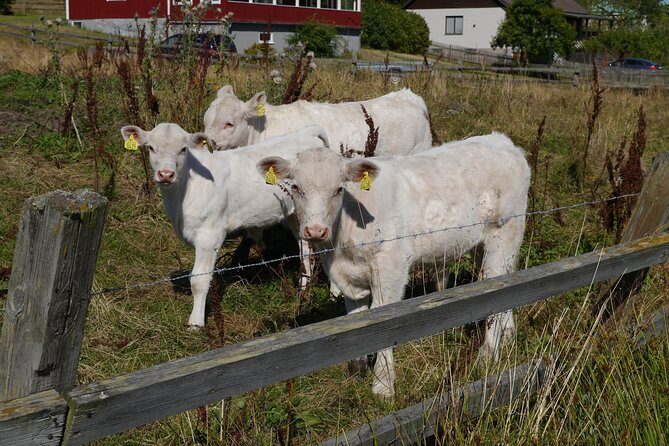
The farm has about 40 horses, and there’s a mention of a big traditional red barn. That kind of specific detail matters. It means you’re not just driving past farmland—you’re seeing an active place in the modern Swedish countryside.
Why it’s good value for your time: after a morning of rune stones and medieval stone walls, the farm stop gives your brain a rest. It also creates a more complete picture of Sweden as a living place, not just an archive.
Practical tip: wear shoes that can handle uneven ground near barns and pasture edges.
Stop 4: Snåttsta Gård AB and Inga’s Runestones on Her Farm
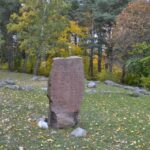
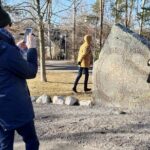
At Snåttsta Gård AB, you’ll focus on runestones connected to Inga, described as a wealthy Viking woman who raised runestones around her farm.
This stop changes the usual Viking narrative. A lot of history tours default to kings and big men. Here, you get a story that emphasizes land ownership, social status, and memory carved into stone—linked to a person with a name, not just a dynasty.
The time here is short—about 20 minutes—so you’ll want to pay attention to what the guide explains about why these stones mattered. Inga’s story is the kind of detail you’ll remember long after you’ve left the site, because it reframes what “power” can mean in the Viking Age.
Good for: people who love archaeology-adjacent storytelling and want more than battle and legend.
Other Viking history tours from Stockholm

Stops 5 and 6: Lindholmen Ruins and the King Vasa Story (Without Overpromising)
Two stops connect directly to the story of King Vasa—a major figure who reformed the Swedish state and church from Catholicism to Lutheran Protestantism.
Lindholmen (Stop 5)
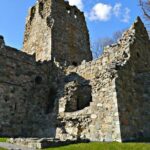
At Lindholmen, you’ll see ruins tied to the very likely birthplace of King Vasa. The wording is important: it’s presented as very likely, not definite. That honesty makes the story feel more trustworthy. You’re learning how historians think, not only being handed conclusions.
You’ll also hear about Vasa’s life and the fact that his rule was controversial. That political angle is helpful. It keeps this from feeling like a simple “hero story.” The Reformation era is complicated, and a tour that admits that complexity feels more real.
You’ll spend about 40 minutes at Lindholmen, which gives you enough time to understand the “why this place matters” argument and still take in the surroundings at a relaxed pace.
Orkesta kyrka (Stop 6)
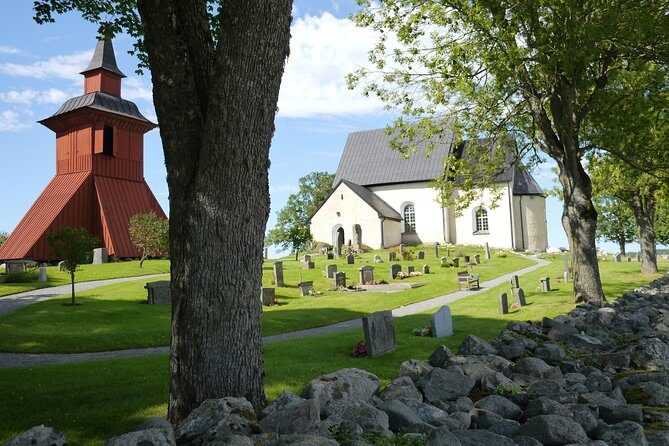
Then you head to Orkesta kyrka, framed as being in the heart of the UNESCO candidate area. Here, you’ll also visit a local Viking graveyard. You’ll hear about a church on former farmland and how burial sites and sacred spaces connect.
Orkesta kyrka is especially described for rune stones outside its today rare preserved Romanesque shape. You’ll see three rune stones outside, and you’ll connect them again to the Ulv story—the Viking said to have plundered England three times.
This is one of those “how the pieces fit” stops. By the time you’re here, you’ve already heard about Viking runes, Viking burials, and the Christianity shift. Orkesta pulls those themes together in one place.
Stop 7: Vallentuna Lunch Stop and How to Make the Day Comfortable
You’ll have lunch at Vallentuna, with about 40 minutes for the stop. Lunch is not included, but it’s at the farm restaurant.
This part of the day is worth planning around. Forty minutes sounds fine, until you realize you’re likely hungry after walking short stretches and hearing stories back-to-back. If you’re the type who gets hangry when history runs long, order quickly once you sit down.
The good news: the private format can help here. Feedback included flexibility around lunch options, with guides adjusting to different tastes. So if you have a dietary need or you want something specific, communicate it early.
What’s Included, What’s Not, and How to Judge the Price
The tour price is $567.11 per person, and the structure is private with a local guide plus private transportation in an air-conditioned vehicle. Admissions are listed as free at each stop, and all taxes/fees are included.
So how do you judge value?
- If you’re traveling as a small group, private transportation and a dedicated guide often compare well with the cost of piecing together multiple public tickets plus paying for separate guides for different sites.
- If you care about interpretation, not just locations, the price makes more sense. Rune stones, burial rituals, and political Reformation stories are the kind of material you’ll understand much better with a guide connecting the dots.
- If you’re mostly “photo and move on”, you may find this pricier than you need, since each stop depends on the explanation as much as the scenery.
Also note the group size: it’s a private booking with a minimum of 2 people and a maximum of 12. That upper cap suggests you won’t feel like you’re inside a huge crowd, but you still might share the day with others depending on your party size and how the operator combines bookings.
Who This Trip Fits Best (and Who Might Prefer Something Else)
You’ll likely enjoy this tour most if you:
- love Viking Age to medieval Christianity transitions
- want rune stones and church history explained in plain language
- prefer a day trip where you can ask questions and adjust the pace
You might think twice if you:
- only want medieval architecture and skip Viking culture unless it’s heavily visual
- need long sit-down meals built into your itinerary
The best “match” is someone who likes a story-driven route, where the guide connects places rather than listing sites.
Should You Book This Markim–Orkesta Swedish History Day Trip?
If you want a focused, story-heavy day outside Stockholm, this is a strong choice. The circuit is tightly themed: assemblies, runes, churches, burial rituals, and the big Christianity shift, tied to Markim–Orkesta’s candidate area. Add in the Icelandic horse farm break, and you get a day that feels balanced instead of exhausting.
Book it if:
- you’re happy spending most of the day on interpretation and walking short stretches
- your group includes at least two people (minimum group size) and you want a dedicated vehicle and guide
Skip it if:
- you’d rather spend a full day in one big museum or one single dramatic landmark
- you want a long lunch without any time pressure
If your ideal Sweden day includes Viking stories you can actually picture on the ground, this one is worth it.
FAQ
How long is the Swedish History Day Trip to Markim-Orkesta?
The tour runs for about 5 hours.
Is this a private tour?
Yes. This is a private tour, so only your group participates.
What language is the tour offered in?
The tour is offered in English.
What’s the meeting time?
The start time is 9:30 am.
Do I get hotel pickup in Stockholm?
Pickup is offered for accommodations within 3 km from Stockholm central station, including central hotels, ports, and other accommodations. No pickup is included at Nynäshamn harbour.
Is lunch included?
Lunch is not included. There is a lunch stop at a farm restaurant.
Are admissions included for the stops?
Each stop listed in the itinerary shows admission ticket free.
How big is the group for a private booking?
A private booking has a minimum of 2 people and a maximum of 12 people.
Can I cancel for a full refund?
Yes. You can cancel up to 24 hours in advance for a full refund.