REVIEW · 2-DAY EXPERIENCES
2-Day Small-Group Basic Skills Survival Course in Södermanland
Book on Viator →Operated by True Nature Sweden · Bookable on Viator
Truly good survival training is calm. This 2-day small-group course in Södermanland teaches you forest basics with real practice, so you know what to do when things go sideways. You start in Stockholm, then move into the wilderness where the whole course is built around hands-on problem solving.
I love the focus on the survival fundamentals: knowing your basic needs and prioritizing fast when you’re stressed. I also love the step-by-step way William teaches, with lots of practice built in, plus meals that make the experience feel practical rather than punishing.
One consideration: two days are perfect for a strong start, but they are not enough to turn you into fully independent survival-ready-on-your-own. If you’re hoping for advanced skills only, you’ll probably want a longer program later.
In This Review
- Key highlights
- Survival in the Swedish forest: it’s really about priorities
- What 2 days in the wilderness feels like (and how it’s paced)
- Fire-making and fire cooking you can repeat
- Shelter, encampment tricks, and how you lead as a group
- Food and water: where to look, what to collect, and what to prepare
- Plants in Sweden: edible, toxic, and medicinal basics
- Wildlife tracking and danger: read nature, then stay reasonable
- Trapping, fishing, and navigation with map reading (plus compass work)
- Price and value: $480.71 for two days of real practice
- Who this course is best for (and who might want something else)
- Should you book the 2-Day Basic Skills Survival Course in Södermanland?
- FAQ
- What is the meeting point and start time?
- How long is the survival course?
- How many people are in the group?
- What’s included in the price?
- What isn’t included?
- Do I need camping gear or a backpack?
- What skills are taught during the course?
- Is the course suitable for beginners?
- What happens if the minimum number of participants isn’t met?
- What is the cancellation policy?
Key highlights
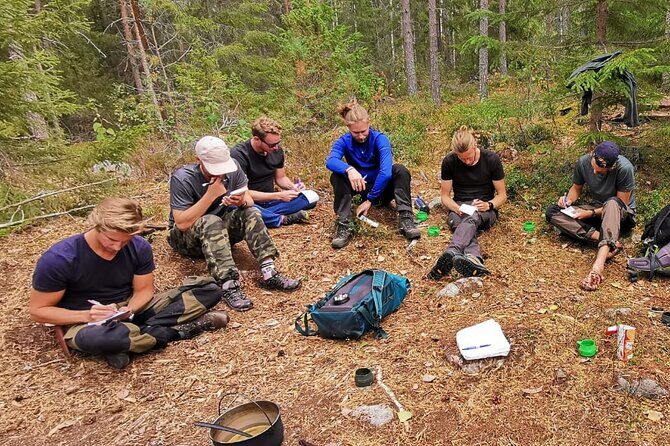
- Small group size (max 8) means you get real attention while you practice.
- William’s hands-on teaching mixes practical steps with clear explanations.
- Fire, shelter, food, and water are taught as priorities, not as random survival tricks.
- Plants ID for edible, toxic, and medicinal use is part of the learning.
- Orientation with map reading and compass work helps you keep your bearings.
- Wildlife tracking, plus trapping and fishing round out the basics beyond just campcraft.
Survival in the Swedish forest: it’s really about priorities
This course is designed around one big idea: in a survival situation, you don’t just panic and improvise. You pick what matters first. The curriculum keeps returning to the three survival fundamentals—so you learn to build a plan based on basic needs rather than guessing.
That matters because Sweden’s forests can be beautiful and still be unforgiving. Weather changes, daylight fades, and mistakes compound quickly. The training helps you react correctly and fast, which is exactly what you want if you ever get lost, injured, or stuck while outside.
A few more Stockholm tours and experiences worth a look
What 2 days in the wilderness feels like (and how it’s paced)
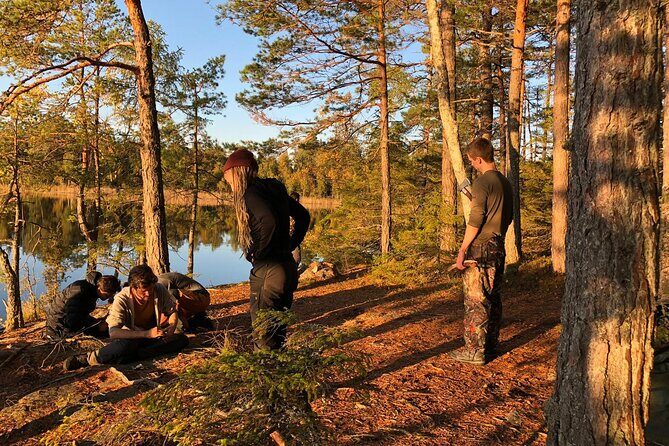
The course runs approximately two days and is taught entirely in the wilderness. You start from the meeting point in Stockholm at 9:00am, then you’re out in nature for the full learning block. The training format is not just lectures; you’re practicing skills like fire building, navigation, and camp setup.
The likely pattern of the weekend goes like this: you learn core survival tools first (fire and shelter), then shift into food and water, then add navigation and nature skills like plants and wildlife tracking. By the end, you’re expected to connect the pieces—because surviving is about making multiple basics work together, not passing a checklist.
Meals are included (breakfast, lunch, dinner), and that’s a big deal in a course like this. It means you can focus on learning how to prepare food and stay fueled without worrying about where your next meal comes from.
Fire-making and fire cooking you can repeat
Fire is where a lot of survival confusion starts—people think it’s only about warmth. This course treats fire as a tool for heat, cooking, and morale. You learn how to build a fire using approaches that are meant to be repeatable when you’re tired and distracted.
You also learn how to cook with it, including the kind of simple fire cooking that makes the experience feel real. One theme that shows up in the course feedback is that fire work is genuinely fun and practical, not overly complicated or macho. That’s the right vibe for beginners, because confidence builds faster when you’re succeeding.
A practical plus: fire skills aren’t useful only for winter. If you’re ever cold, wet, or stuck after dark, fire becomes your one high-impact move.
Shelter, encampment tricks, and how you lead as a group

A shelter does more than block wind. It buys you time, steadies your body temperature, and reduces the stress that drains your decisions. In this course, shelter building is taught directly, not as a vague idea.
You also get encampment tricks—simple ways to make life easier in the field. Think of this as the difference between making do and making things workable. Even small changes can help you stay drier, warmer, and less exhausted while you’re waiting for help or working through the next steps.
Survival is rarely a solo movie. The course includes survival in a group and teaches leadership basics. That means you learn how to communicate and divide tasks rather than letting everyone do their own thing while conditions worsen. This is especially important because survival problems are multi-step.
Food and water: where to look, what to collect, and what to prepare
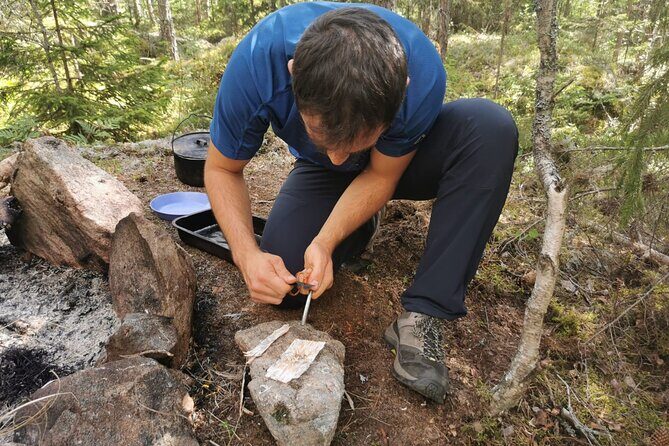
Food and water are taught together, because in the real world you don’t get to solve them one at a time. The course covers where to find food, how to prepare dishes, and how to prioritize what you choose. That’s important if conditions limit your time or energy.
On the water side, you learn how to find water and how to collect it. Water can sound simple until you’re dehydrated and can’t think clearly. Practicing the process in a wilderness setting makes it far less scary if you ever face an emergency.
One of the strongest benefits of including meals (breakfast, lunch, dinner) is that the course isn’t just skills—it’s fuel and routine. You get to see how fire cooking and field food fits into a day, not just as a survival demo.




Plants in Sweden: edible, toxic, and medicinal basics
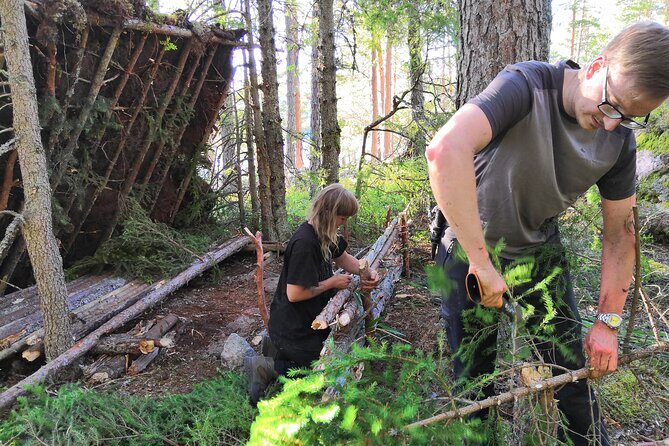
Plant learning is a key part of this course, and it’s handled as practical identification. You get an introduction to plants with focus on edible, toxic, and medicinal categories.
This is valuable because foraging misinformation can be dangerous. Even if you’re an outdoor enthusiast, you don’t want guesswork when the stakes are real. The course’s plant section helps you learn how to look at plants differently—paying attention to what matters instead of relying on myths.
If your interest is casual hiking, this knowledge still helps. Knowing what not to touch, and recognizing safe basics, builds confidence outdoors and reduces the mental load when you see unfamiliar species.
Wildlife tracking and danger: read nature, then stay reasonable
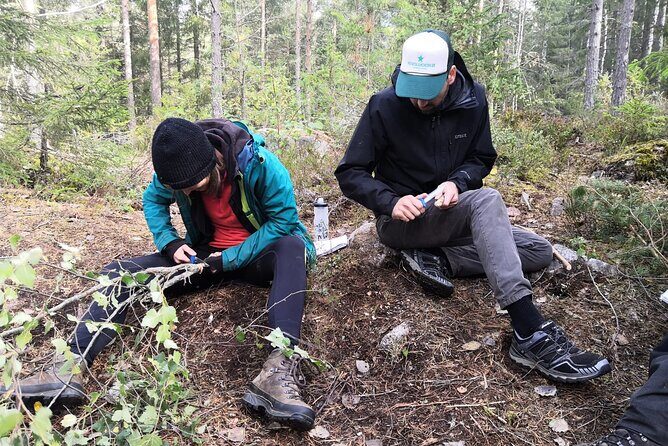
The course includes wildlife tracking and talks about dangers. This is where you learn to observe without panicking. You get practical guidance on how to continue when a survival situation arises, even when wildlife is part of the equation.
Wildlife knowledge in emergencies is less about dramatic encounters and more about awareness and decision-making. The course nudges you toward a calm mindset: look, assess risk, and keep moving toward the survival basics you need.
If you’re the type who likes nature, this is one of the sections that makes the whole experience feel like learning a new language.
Trapping, fishing, and navigation with map reading (plus compass work)
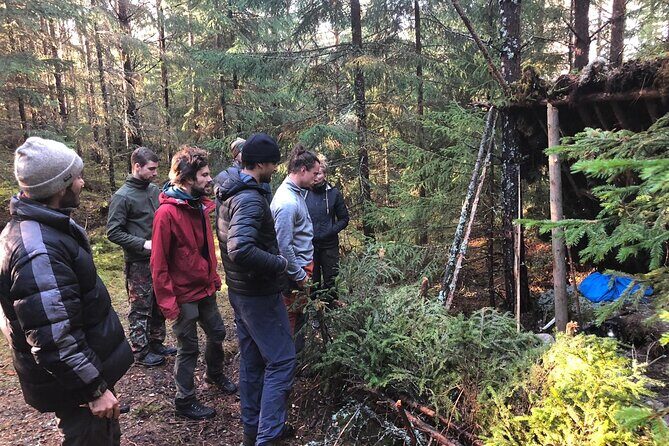
Food isn’t only foraging. The course covers trapping and fishing as additional routes for survival basics. That means you learn options rather than betting everything on one method.
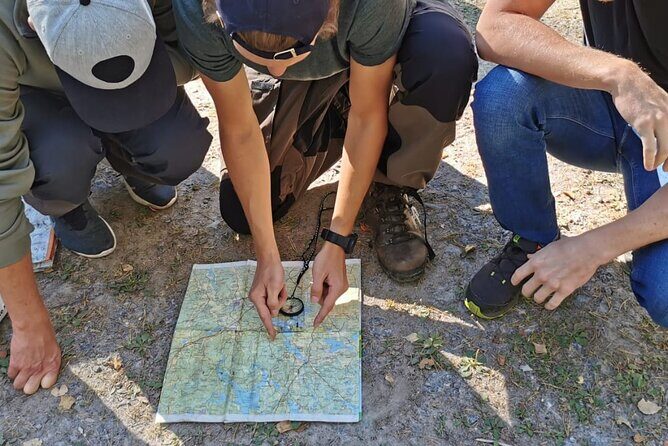
Navigation is also a major part of the weekend. You get orientation and map reading skills, and course feedback includes learning how to use a compass. In a survival story, losing your way can snowball quickly, and navigation skills help you break that loop.
What I like about bundling navigation with survival basics is that it changes your mindset. Instead of wandering around hoping, you practice getting bearings fast and planning what to do next. That’s exactly what you need if you’re ever truly lost.
Price and value: $480.71 for two days of real practice
At $480.71 per person for approximately two days, this is not a cheap add-on class. But the value is fairly clear if you look at what’s included: private transportation, all needed gears, and full meals (breakfast, lunch, dinner). You’re also paying for a small group setup with hands-on instruction.
The course is capped at 8 travelers, which is a meaningful detail. In practical survival training, you can’t learn well if you’re waiting your turn for tools or feedback. Small group size helps the instructor correct your technique while it still matters.
If you want to plan extra gear, there are optional rentals listed: camping gear rental for 450 kr/pers and backpack rental for 100 kr/pers. The key point is that you’re not forced into a bunch of extra costs just to participate.
Overall, the price makes more sense for people who want to come away with usable skills—not just photos and a story.
Who this course is best for (and who might want something else)
This is a strong fit for beginners and for people who want a clear, structured introduction to forest survival in Sweden. Course feedback includes couples and even a parent-child pairing, and the tone of the instruction is described as patient. You don’t need to show up as an outdoors expert.
It’s also good for anyone who wants to combine fundamentals with nature knowledge—plants, wildlife tracking, and navigation. If your dream is confident self-sufficiency in the outdoors, this gives you a solid foundation and the feeling that you can learn more.
It might be less ideal if you want advanced survival tactics only. Two days can teach the basics well, but the course itself is positioned as an introduction. If you’re ready to go deep, you’ll likely want a longer training path afterward.
Should you book the 2-Day Basic Skills Survival Course in Södermanland?
I think it’s worth booking if you want a small-group, practical intro to survival skills in a Swedish wilderness setting. The combination of fire, shelter, food, water, plants, navigation, and wildlife basics makes it unusually complete for a short course. The inclusion of meals and gear also makes it easier to show up and focus on learning.
I’d pass or consider a longer option if your goal is highly technical, advanced training. This is about getting your basics right and building confidence, not about turning you into a one-person rescue-ready unit in 48 hours.
FAQ
What is the meeting point and start time?
You start at True Nature Sweden AB, Tideliusgatan 62, 118 69 Stockholm, Sweden. The start time is 9:00am, and the activity ends back at the meeting point.
How long is the survival course?
The duration is approximately 2 days.
How many people are in the group?
The maximum group size is 8.
What’s included in the price?
Included are lunch, breakfast, dinner, private transportation, and all needed gears.
What isn’t included?
Alcoholic beverages, your travel insurance, and optional camping gear rental (450 kr/pers) and backpack rental (100 kr/pers) are not included.
Do I need camping gear or a backpack?
The provider says all needed gears are included. If you want extra items, there are optional rentals for camping gear and for a backpack.
What skills are taught during the course?
You’ll learn basic survival fundamentals: building a fire, building a shelter and encampment setup, finding food and preparing it, finding and collecting water, plant basics (edible, toxic, medicinal), wildlife tracking and dangers, plus trapping, fishing, and orientation/map reading.
Is the course suitable for beginners?
The activity notes say most people can participate, and it’s positioned as a basic skills introduction.
What happens if the minimum number of participants isn’t met?
From early October to late April, there must be at least 3 participants. From early May to late September, there must be at least 5. If the minimum isn’t met, you’ll be offered a different date/experience or a full refund.
What is the cancellation policy?
Cancellation is free up to 24 hours in advance for a full refund. If you cancel less than 24 hours before the start time, the amount paid is not refunded. Cut-off times are based on local time.